
Real peace is not announced in press conferences — it is felt in homes where people finally sleep without fear.
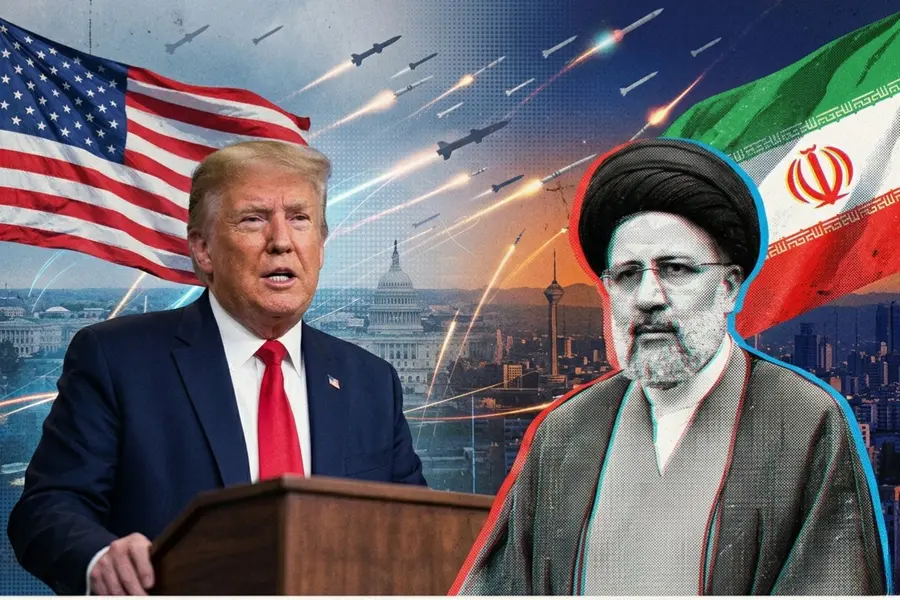
There is a strange thing about human beings. We are strong enough to survive almost anything, but that same strength carries a sad side too. Slowly, we begin accepting pain and suffering as if it were normal. War is the clearest example. In the beginning, it feels shocking and unbearable, something we cannot imagine living through. Yet after some time, the same war starts feeling like just another ordinary part of daily life.
Very few conflicts have shown this truth as clearly as the recent war involving Iran. For months, it dragged on through small attacks, angry words between leaders, and many false moments of hope when everyone believed the fighting was finally about to stop. But it never truly ended. This long political crisis quietly disturbed the lives of millions of families who had no role in these big decisions, yet paid the heaviest price.
Also Read

Now, at last, we have a peace agreement, and that is certainly something to feel thankful for. But before we celebrate, we must remember what came before it. Only in the last few days, Donald Trump ordered fresh attacks on Iran and even spoke about taking control of Kharg Island, which handles nearly 90% of Iran's oil exports. He then announced, far too early, that the war had ended through a “great settlement,” even though the ground reality told a completely different story.
And that gap between words and reality became the real pattern of this war. Markets reacted briefly when the peace deal was announced, but most people barely noticed, because similar peace promises had already been made close to 40 times. People had simply stopped believing them. While leaders spoke confidently about peace in interviews and social media posts, attacks and counter-attacks continued, the Strait of Hormuz was shut, and instability across the Middle East kept rising.
This is where the suffering came home to ordinary families. Iran struck several Arab nations it saw as US supporters. Jordan, Kuwait, and Bahrain were hit, following weeks of attacks on the UAE, Saudi Arabia, and Qatar that caused deaths and damaged key energy facilities. Imagine a shopkeeper in Dubai watching flights get cancelled and customers vanish, or a worker in Qatar living each night with the sound of sirens. For them, peace on television meant nothing while fear sat inside their homes. Even now, trust and normal life may take a very long time to return.
The economic shock spread far beyond the region, and this is where it touched us in India, too. Around 17% of the world's supply of liquefied natural gas comes from Qatar, and much of the oil that powers our buses, trucks, factories, and kitchens passes through the Strait of Hormuz. When that narrow sea route is used as a weapon, oil prices rise, the rupee weakens, and the cost of petrol, cooking gas, and daily goods quietly climbs in our markets. A war thousands of kilometres away ends up reaching a middle-class home in Delhi, Mumbai, or Chennai through a higher monthly bill. That is how connected today's world has become.
The damage even reshaped long-term plans. Saudi Arabia, shaken by how easily the Strait could be choked, began shifting money into ports and data centres, while Dubai braced for a slowdown as major airlines stayed away. But beyond markets and money lie emotional and social wounds that no chart can measure. Millions watched their jobs, businesses, and dreams break apart because Donald Trump and Benjamin Netanyahu chose to chase their own goals in the region, paying little attention to the real people living there.
What makes all this more disturbing is how the very meaning of “war” and “peace” has blurred. In Gaza, nearly 1,000 people have died even after the ceasefire announced last October. In Lebanon, violence continued past the April ceasefire, with around one million people still displaced and nearly 1,500 lives lost in just two months — sadly, more than a quarter of them children. A whole new vocabulary now hides this reality. Ceasefires are called “fragile,” “uncertain,” or “under pressure,” while behind these soft words, missiles and drones keep falling.
And many hard questions still wait for answers. How will the Strait of Hormuz stay safe? What limits will sit on Iran's uranium enrichment? Will its missile programme be controlled? Until these are settled, every peace deal feels less like an ending and more like a pause.
Perhaps that is the most painful lesson of this war. We have learned to live beside danger, to treat fear as routine, and to call broken promises “peace.” But a peace that families do not feel in their daily lives is only a word on paper. Real peace is not announced in press conferences — it is felt in homes where people finally sleep without fear. Until that day arrives, we should stay grateful for the quiet, yet never mistake silence for safety.
(Girish Linganna is an award-winning science communicator and a Defence, Aerospace & Geopolitical Analyst. He is the Managing Director of ADD Engineering Components India Pvt. Ltd., a subsidiary of ADD Engineering GmbH, Germany.)
Published: 15 Jun 2026, 07:21 pm IST
Related Topics
Disclaimer: Kindly avoid objectionable, derogatory, unlawful and lewd comments, while responding to reports. Such comments are punishable under cyber laws. Please keep away from personal attacks. The opinions expressed here are the personal opinions of readers and not that of Mathrubhumi.