
India is reportedly finalizing a historic letter of request to France for 114 Dassault Rafale F4 fighter aircraft, a deal valued at an estimated $35–40 billion (around ₹3.25 lakh crore) that would become the largest combat aircraft purchase in the country’s history.
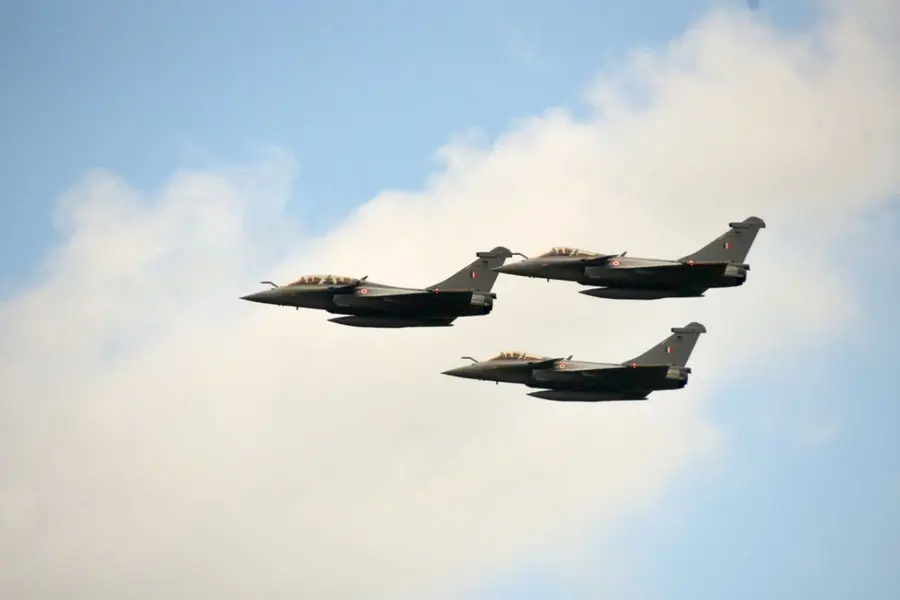
India is now moving very close to signing what could become the biggest combat aircraft purchase in the country's history. The central government is reportedly finalizing the letter of request for buying 114 Dassault Rafale fighter aircraft for the Indian Air Force.
A letter of request is simply the first official step where India formally tells France that it wants to start serious talks about this purchase. According to reports, this letter will be sent to France within the next few weeks, which means the long-delayed multi-role fighter aircraft program is finally moving forward.
Let us understand the five most important things about this massive deal in simple words.
First, the sheer size of this deal is historic. Buying 114 Rafale jets is expected to be bigger than any fighter aircraft purchase India has ever made. Earlier reports in February suggested India was preparing a government-to-government agreement worth around 3.25 lakh crore rupees for 114 Rafale F4 jets. In total, the deal is estimated to cost roughly 35 to 40 billion dollars.
Also Read: Private players to power India’s stealth future: Who will win the ₹15,000 crore AMCA prototype race?
To put it simply, this would be the largest fighter jet purchase in India's history once it is finalized. This step gained speed about three months after the Defence Acquisition Council, the top body that approves defence purchases, cleared the proposal. Officials say the government wants to finish all negotiations and sign the final contract before the end of this year, after approval from the Cabinet Committee on Security.
Second, and this is a proud point, most of these jets will be built right here in India. According to senior officials, nearly 90 out of the 114 Rafale aircraft are likely to be manufactured in India through a partnership between France's Dassault Aviation and an Indian company. The remaining jets will come ready-made directly from France. The Indian-made portion in these jets is expected to be close to 50 percent. In plain words, this means India will not just be buying planes but also building them, which will give a huge push to our own defence manufacturing and create jobs and skills within the country.
Third, India is not only buying the aircraft, it wants deeper control over the technology too. Reports say India is negotiating access to something called interface control documents. This is a technical framework that would allow India to fit its own weapons onto the Rafale jets. These weapons include the Astra missile and the BrahMos-NG, both made in India. If India gets this access, it means our own missiles can be used on these French jets, making the fleet far more powerful and strengthening our home-grown defence strength.
Also Read: Rafale or Su-57: How Vietnam’s fighter jet decision could reshape Indo-Pacific power balance?
Fourth, India already knows this aircraft well. The Indian Air Force currently operates 36 Rafale jets bought under an earlier deal with France. This is a big advantage because the training systems, maintenance setups, and infrastructure for Rafale are already in place. So adding more of the same aircraft becomes easier and smoother.
Fifth, and perhaps most important, India badly needs these jets right now. The Indian Air Force currently has only 29 fighter squadrons against a sanctioned strength of 42 squadrons. A squadron is simply a group of fighter aircraft that operate together. This shortage has been a growing worry within India's defence circles, especially with rising security challenges around our region. These new Rafales will help fill the gap until India's own fighter programs are fully ready. These home-grown programs include the HAL Tejas Mk1A, the LCA Mk2, and the ambitious fifth-generation fighter project called the Advanced Medium Combat Aircraft.
At the same time, India is also looking at other advanced foreign fighter platforms for the future. Reports suggest India is examining options like the Sukhoi Su-57 stealth fighters from Russia. So the Rafale F4 deal is not just a quick fix. It is part of a bigger, long-term plan to modernise India's air power at every level.
Also Read: India supercharges Su-30MKI with lethal 400km R-37M missiles
There is more good news too. The Indian Navy is also preparing to induct 26 Rafale Marine aircraft for operations from aircraft carriers over the coming years.
If everything goes as planned and this deal is finalized, it will be a major milestone in the friendship and defence partnership between India and France. More importantly, it will reshape the future strength of the Indian Air Force and make our skies safer for years to come. For the common citizen, it simply means a stronger, more self-reliant, and better-prepared India.
The author is a defence, aerospace & geopolitical analyst.
Published: 25 May 2026, 07:05 pm IST
Disclaimer: Kindly avoid objectionable, derogatory, unlawful and lewd comments, while responding to reports. Such comments are punishable under cyber laws. Please keep away from personal attacks. The opinions expressed here are the personal opinions of readers and not that of Mathrubhumi.
