
Washington warns of unprecedented economic measures against Iran as the Strait of Hormuz blockade continues, shipping falls and ceasefire talks remain stalled.
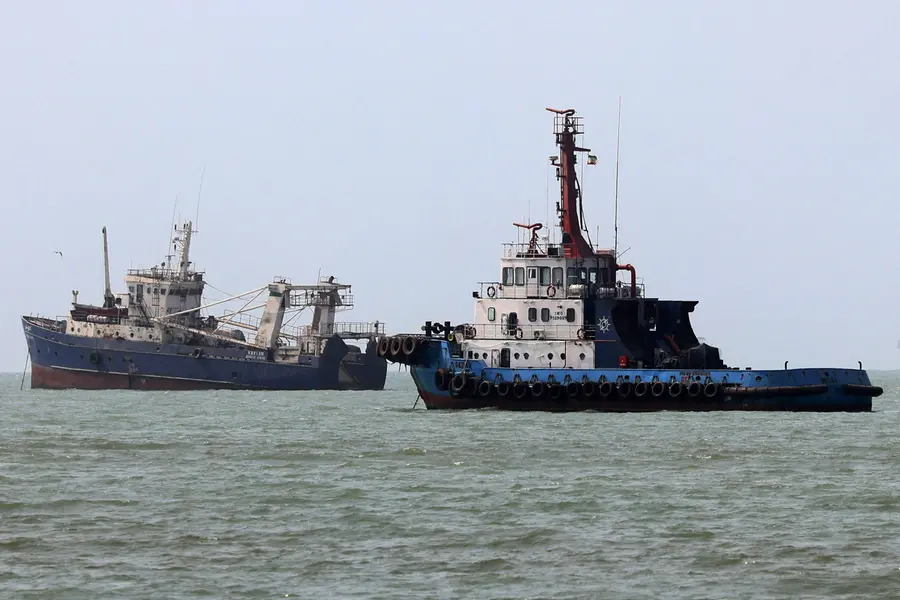
Washington DC: The United States has warned of unprecedented economic pressure on Iran as Washington maintains its naval blockade and negotiations over ending the conflict remain stalled.
US Treasury Secretary Scott Bessent said Washington would impose measures designed to subject Iran to economic isolation "like the world has never seen before", with further announcements expected next week.
Also Read

Bessent said the US strategy would combine financial pressure with the continued blockade of Iranian ports. He indicated that Washington intends to intensify measures aimed at cutting Tehran's access to international finance and trade.
The latest warning marks a tougher position from Washington. On August 4, Bessent had said an agreement to reopen the Strait of Hormuz could potentially be reached within days.
US says naval blockade could continue indefinitely
US Defence Secretary Pete Hegseth said Washington has the military capability to maintain its naval blockade of Iran indefinitely, with ships rotated in and out of the region.
The blockade has significantly reduced Iran's ability to use shipping routes and access foreign currency. Washington had briefly lifted the blockade in June before reinstating it.
The Strait of Hormuz remains at the centre of the confrontation. Before the war, around a fifth of global oil and liquefied natural gas supplies passed through the strategic waterway.
Shipping through Hormuz drops sharply
Shipping traffic has fallen dramatically as tensions have increased. Reuters reported that only eight vessels crossed the Strait of Hormuz on Tuesday, compared with a 10-day average of around 12 and roughly 130 to 140 vessels before the war.
Two vessels operated by the Abu Dhabi National Oil Company were reportedly attacked while transiting the strait on Thursday. The UAE condemned the incident, while the reported attacks have added to concerns about further disruption to regional energy supplies.
Iran has maintained that the waterway will not fully reopen until its conditions are met, including the removal of economic sanctions and the release of frozen Iranian assets.
Oil supply faces growing pressure
The disruption comes as global oil markets face a tightening supply outlook.
The International Energy Agency has forecast that global oil supply could decline by 4.3 million barrels per day this year, around 4%. That estimate is higher than its previous forecast of a 3.7-million-barrel-per-day decline.
Oil prices fell by more than 2% on Thursday as investors focused on weaker demand expectations and higher US crude inventories. However, reports of attacks involving Iran-backed forces in the region continue to create volatility.
Ceasefire talks remain stalled
Efforts to revive the US-Iran ceasefire have made little progress. Tehran has reportedly sought a return to the June framework and a clear timeline for Washington to meet its commitments.
The earlier agreement included an extendable 60-day period for negotiations on a broader settlement, including issues surrounding Iran's nuclear programme. That deadline falls on August 17.
Control of the Strait of Hormuz remains one of the major unresolved issues.
Why the US pressure matters
Washington's latest approach combines economic sanctions, restrictions on Iranian shipping and naval pressure around the Strait of Hormuz.
For Iran, reduced oil exports and restricted access to international trade could further weaken government revenues and foreign-currency supplies. For the US and other economies, however, prolonged disruption around Hormuz could increase energy costs and put additional pressure on global economic growth.
The confrontation also carries a wider escalation risk. Analysts cited by Reuters warned that Tehran could respond to intensified economic pressure through attacks on shipping, US military facilities or energy infrastructure in the Gulf.
The latest US warnings represent a shift towards using economic pressure as a primary tool while Washington avoids deploying ground forces. The strategy is intended to increase the cost of Iran's control over the Strait of Hormuz and push Tehran back towards negotiations.
The central problem is that pressure on Iran can also create economic costs beyond the country itself. Hormuz is a critical route for global energy supplies, meaning prolonged restrictions could affect oil and LNG availability, shipping costs and inflation.
The situation therefore presents Washington with competing objectives: reducing energy prices for American consumers while maintaining pressure on Tehran. The longer the blockade continues, the greater the potential for the conflict to affect global energy markets and regional security.
Published: 14 Aug 2026, 07:44 am IST
ABOUT THE AUTHOR
Related Topics
Disclaimer: Kindly avoid objectionable, derogatory, unlawful and lewd comments, while responding to reports. Such comments are punishable under cyber laws. Please keep away from personal attacks. The opinions expressed here are the personal opinions of readers and not that of Mathrubhumi.