
US President Donald Trump has signalled readiness for further military action as fragile US-Iran ceasefire negotiations face mounting pressure ahead of a key deadline.
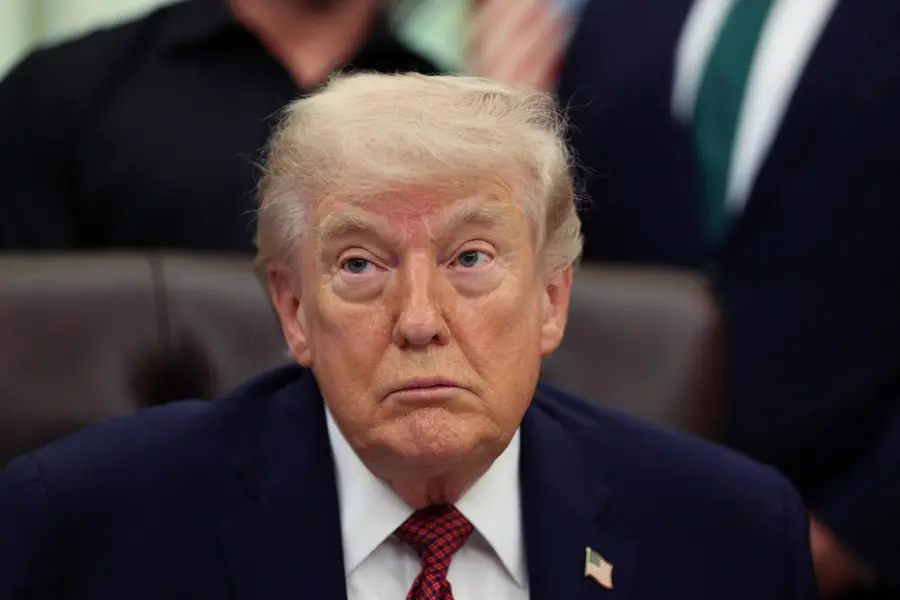
Washington DC: US President Donald Trump has indicated a strong military posture amid ongoing diplomatic efforts with Iran, suggesting that the US armed forces are prepared for action if negotiations collapse.
In a televised interview, Trump said: “Well, I expect to be bombing because I think that’s a better attitude to go in with.”
Also Read

He added that the US military is fully prepared, stating: “The military is raring to go. They are absolutely incredible. I built the military my first term. I’m using it now.” His remarks come at a sensitive moment as international mediators attempt to extend a fragile ceasefire agreement.
Ceasefire talks planned in Islamabad amid uncertainty
Regional officials have said that the United States and Iran are expected to hold a new round of ceasefire talks in Islamabad, Pakistan, as the current truce nears its expiry.
However, both Washington and Tehran have not officially confirmed the details of the meeting. Iranian state media has also denied reports of any confirmed delegation arrival in the Pakistani capital.
According to officials involved in mediation efforts, the discussions may be led by senior negotiators from both sides if they proceed as planned.
Deep divisions remain over core issues
The talks are taking place against a backdrop of unresolved disputes over Iran’s nuclear programme, regional influence, and maritime security in the Strait of Hormuz.
Iranian negotiator Mohammad Bagher Qalibaf has accused the US of applying pressure rather than engaging in genuine diplomacy, stating: “We do not accept negotiations under the shadow of threats.”
The US, meanwhile, has insisted that Iran must make verifiable commitments on nuclear restrictions and regional activities.
The situation has further intensified after US forces reportedly intercepted and boarded an oil tanker previously linked to Iranian crude smuggling operations.
The Pentagon stated that the vessel was seized in international waters without incident, adding that: “International waters are not a refuge for sanctioned vessels.”
Iran has condemned such actions in the past, calling them violations of international law and acts of provocation.
Strait of Hormuz crisis impacts global energy markets
The ongoing confrontation has raised concerns over the Strait of Hormuz, one of the world’s most important oil shipping routes.
Disruptions in the region have contributed to volatility in global energy prices, with Brent crude trading at elevated levels amid supply fears and geopolitical uncertainty.
Energy analysts warn that continued instability could further strain global oil markets.
Despite mediation efforts in Islamabad, major gaps remain between the two sides. While discussions continue, both governments have reinforced their positions, with little sign of immediate compromise.
International observers say the coming days will be critical in determining whether the ceasefire holds or the conflict escalates further.
Published: 21 Apr 2026, 08:18 pm IST
Disclaimer: Kindly avoid objectionable, derogatory, unlawful and lewd comments, while responding to reports. Such comments are punishable under cyber laws. Please keep away from personal attacks. The opinions expressed here are the personal opinions of readers and not that of Mathrubhumi.