
India has taken another step towards expanding its biofuel roadmap, with the government proposing new rules that could formally allow higher ethanol-blended fuels like E85 and E100 on Indian roads.
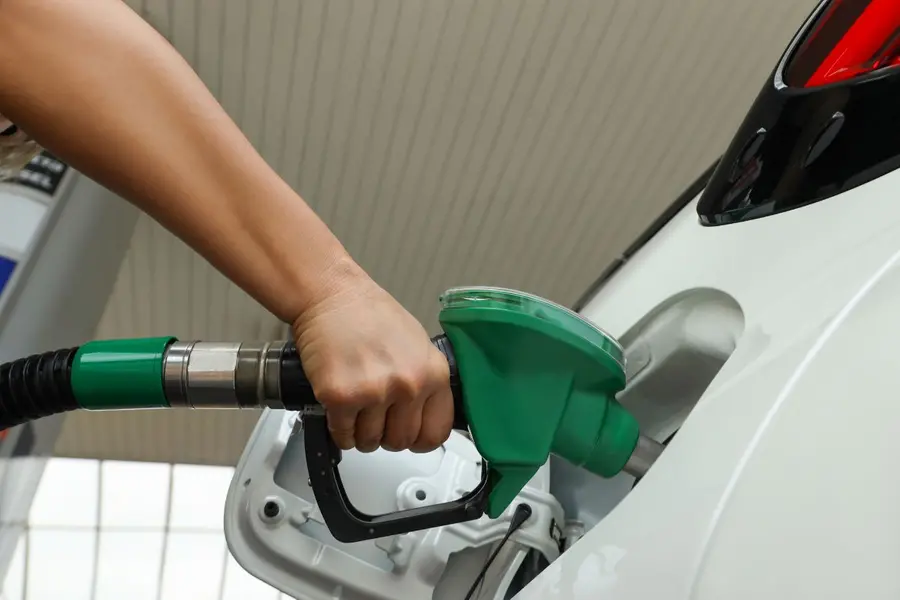
New Delhi: The Centre has proposed amendments to the Central Motor Vehicles Rules to include higher ethanol-based fuels such as E85 and E100, signalling a further shift towards cleaner and domestically produced energy sources.
The draft notification, issued by the Ministry of Road Transport and Highways, has been opened for public consultation for 30 days before a final decision is taken. The move builds on India’s nationwide rollout of E20 petrol, which became mandatory in April 2026.
Also Read

Officials say the proposal does not immediately introduce these fuels at fuel stations, but creates a regulatory framework for future testing, approval, and possible rollout.
What the government has proposed
The draft amendment introduces formal definitions for higher ethanol blends in India’s fuel regulations:
- E85 fuel: a blend of 85% ethanol and petrol
- E100 fuel: nearly pure ethanol for specially designed vehicles
- Updated biodiesel classification up to B100
- Revised hydrogen fuel terminology in emission standards
The government has also updated petrol classification rules to reflect the nationwide adoption of E20 fuel.
Purpose of the policy change
According to officials and reports, the changes are primarily regulatory and preparatory in nature. The aim is to:
- Enable testing of flex-fuel vehicle compatibility
- Support future infrastructure planning for higher ethanol blends
- Align fuel standards with India’s evolving clean energy strategy
- Strengthen energy security by reducing dependence on imported crude oil
- The draft is not an immediate rollout plan but a framework for future adoption.
Progress from E20 to higher blends
India has already reached its 20% ethanol blending target in petrol and made E20 mandatory nationwide from April 2026.
The government is now exploring:
- Gradual introduction of E85 as a separate fuel grade
- Possible long-term transition towards higher ethanol dependence
- Development of flex-fuel vehicles by Indian manufacturers
- Expansion of ethanol production and supply infrastructure
E85 fuel is expected to be sold alongside regular petrol rather than replacing it.
Energy security and government outlook
The push for ethanol blending is part of India’s broader energy security strategy. It aims to:
- Reduce exposure to volatile global oil prices
- Cut import dependence on crude oil
- Promote domestically produced biofuels
- Lower carbon emissions from transport fuel
Senior ministers have previously suggested that India could eventually move towards very high or even near-complete ethanol blending, depending on technology and infrastructure readiness.
Industry and infrastructure considerations
The transition will require coordination between:
- Automobile manufacturers, to ensure engine compatibility
- Oil marketing companies, for fuel distribution systems
- Regulatory bodies, for safety and emission standards
The Bureau of Indian Standards has already begun work on specifications for higher ethanol blends, including E22, E25 and E26.
The draft rules are currently open for public comments for 30 days. After reviewing feedback from stakeholders, the government will decide whether and how to proceed with implementation.
Published: 29 Apr 2026, 01:53 pm IST
Related Topics
Disclaimer: Kindly avoid objectionable, derogatory, unlawful and lewd comments, while responding to reports. Such comments are punishable under cyber laws. Please keep away from personal attacks. The opinions expressed here are the personal opinions of readers and not that of Mathrubhumi.