
The world’s largest oil companies are set to earn nearly $3,000 every second in 2026, even as households in the United States and beyond struggle with rising energy bills and inflation.
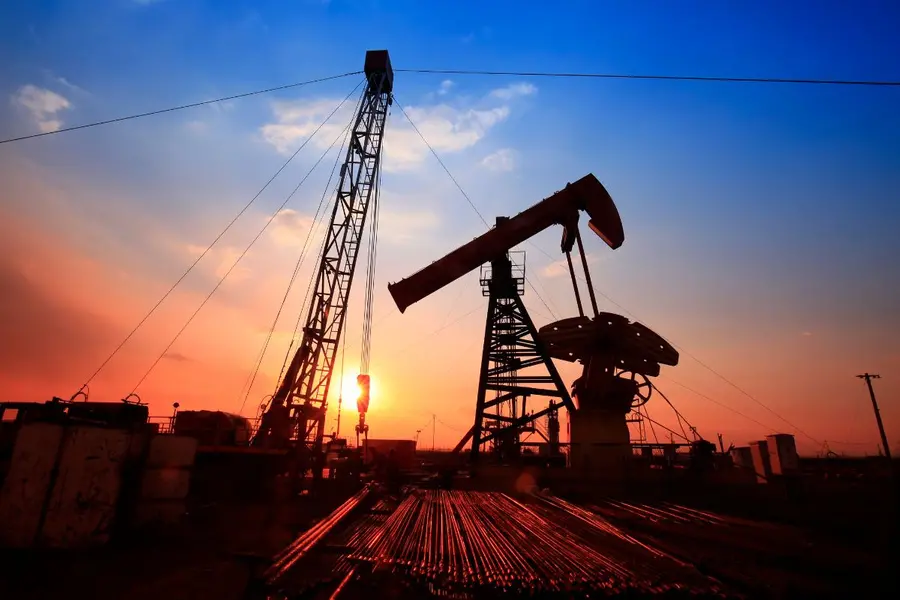
A report by Oxfam International has projected that six of the world’s biggest fossil fuel companies — Chevron, Shell, BP, ConocoPhillips, ExxonMobil, and TotalEnergies — will collectively generate around $94 billion in profits in 2026.
This translates to approximately $2,967 per second, highlighting a sharp rise in earnings during a period marked by geopolitical instability and rising fuel prices. The projected daily profit is about $37 million higher than what these firms earned in 2025.
Also Read

Households face rising energy burden
While oil companies report soaring profits, households — particularly in the United States — are dealing with increasing financial pressure. Rising electricity bills, higher fuel costs, and broader inflation have reduced disposable income and strained household budgets.
In several regions globally, including parts of Africa and Asia, the situation is more severe, with reports of fuel shortages and limited access to essential energy supplies.
Iran conflict drives oil price surge
The ongoing geopolitical tensions in the Middle East, particularly involving Iran, have played a central role in driving oil prices above $100 per barrel.
Disruptions around the Strait of Hormuz — a critical global oil transit route — have created supply concerns, pushing prices higher. As oil prices rise, profit margins for major energy companies have expanded rapidly.
Experts note that such crises often lead to disproportionate gains for oil producers, as supply shocks translate directly into higher market prices.
Profits vs clean energy transition
The Oxfam report highlights a stark contrast between rising fossil fuel profits and the need for investment in clean energy.
According to the analysis, the $94 billion projected profit could potentially fund solar power access for nearly 50 million people in Africa. However, much of the earnings are instead directed towards shareholder returns rather than energy transition initiatives.
Several major companies have also scaled back their climate commitments. For instance:
- ExxonMobil has reduced planned spending on low-carbon projects
- TotalEnergies has not aligned with stricter net-zero targets
- BP has shifted focus back towards oil and gas investments
- Shell has diluted some of its climate goals
Public sentiment and policy debate
Public opinion appears to favour a shift towards renewable energy. Surveys conducted across multiple countries indicate that people are significantly more likely to support investment in clean energy than continued fossil fuel expansion.
There is also growing support for higher taxation on oil and gas profits, with proposals including:
- Excess profit taxes on energy companies
- “Polluter profit” levies to fund climate initiatives
- Increased investment in renewable infrastructure
- Despite this, fossil fuel production continues to expand globally.
A pattern seen during global crises
This is not the first instance of oil companies reporting windfall profits during periods of geopolitical instability. Since the start of the Russia-Ukraine war, major fossil fuel firms have collectively earned hundreds of billions of dollars.
Analysts point out that wars, supply disruptions, and economic uncertainty often create favourable conditions for oil producers, turning global crises into profit opportunities.
The current scenario underscores a widening gap between corporate profits and consumer hardship. While energy companies benefit from elevated prices, households and governments face rising costs and policy challenges.
The debate now centres on whether governments will intervene through taxation and regulation, or allow market dynamics to continue shaping the global energy landscape.
Published: 28 Apr 2026, 06:08 pm IST
Related Topics
Disclaimer: Kindly avoid objectionable, derogatory, unlawful and lewd comments, while responding to reports. Such comments are punishable under cyber laws. Please keep away from personal attacks. The opinions expressed here are the personal opinions of readers and not that of Mathrubhumi.