
Will LPG, petrol and diesel prices hike? The government confirms no current plan to increase fuel prices despite West Asia tensions. Read the full update here.
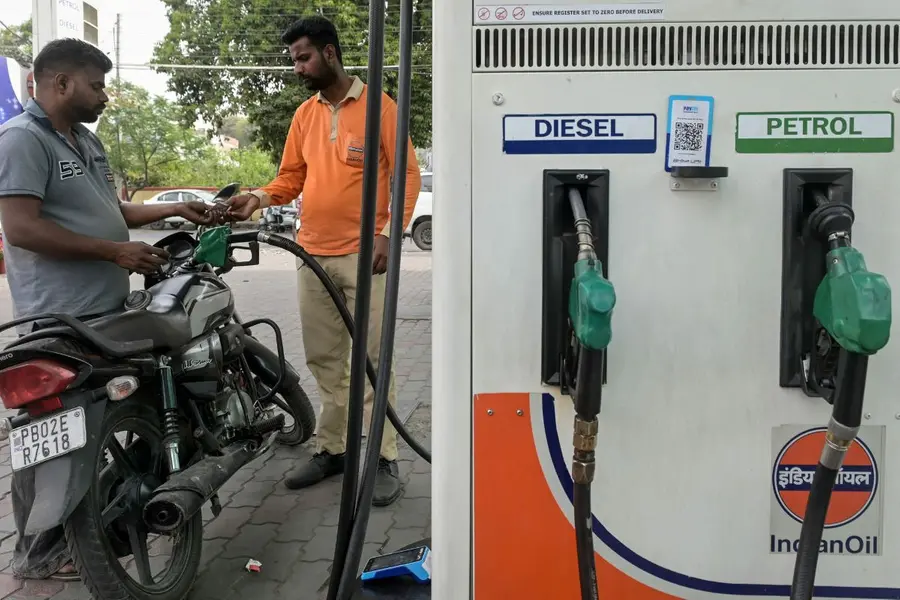
New Delhi: The Centre on Tuesday said there is no proposal at present to increase retail prices of petrol and diesel, easing concerns over a potential fuel price hike amid rising geopolitical tensions in West Asia that have disrupted global energy markets.
Addressing an inter-ministerial briefing, Sujata Sharma, Joint Secretary in the Ministry of Petroleum and Natural Gas, said fuel supplies remain stable and sufficient, and there is no immediate plan to revise retail prices.
“LPG, petroleum and diesel are available in sufficient amounts, and the prices have not increased, so please do not panic,” Sharma said, directly addressing public concern over possible fuel inflation.
The government acknowledged that imports of crude oil, liquefied petroleum gas (LPG) and piped natural gas (PNG) have been impacted due to disruptions in West Asia, a key global energy supply region. However, officials stressed that contingency arrangements have been activated to ensure supply stability in the domestic market.
According to the ministry, supply of domestic LPG, PNG for households, and compressed natural gas (CNG) for transport remains fully secure. Commercial LPG supplies have been partially affected but have now recovered to around 70 per cent, with restoration efforts continuing.
Priority supply is currently being extended to essential sectors, including hospitals, educational institutions, pharmaceuticals, agriculture, seeds, and steel production, to avoid any disruption in critical services.
The government also highlighted increased support for vulnerable sections. "In a bid to support vulnerable sections, the supply of 5-kg free trade LPG cylinders, commonly used by migrant labourers, has nearly doubled," Sharma added.
Officials said global oil price movements are being closely monitored, but reiterated that there is no immediate plan to pass on international volatility to domestic fuel consumers.
For now, the government’s position signals price stability at the pump, even as global energy markets remain under pressure from ongoing geopolitical uncertainty in West Asia.
With IANS inputs
Published: 28 Apr 2026, 05:39 pm IST
Related Topics
Disclaimer: Kindly avoid objectionable, derogatory, unlawful and lewd comments, while responding to reports. Such comments are punishable under cyber laws. Please keep away from personal attacks. The opinions expressed here are the personal opinions of readers and not that of Mathrubhumi.
