
The ministry said the Ethanol Blended Petrol Programme has so far generated foreign exchange savings of more than ₹1.97 lakh crore
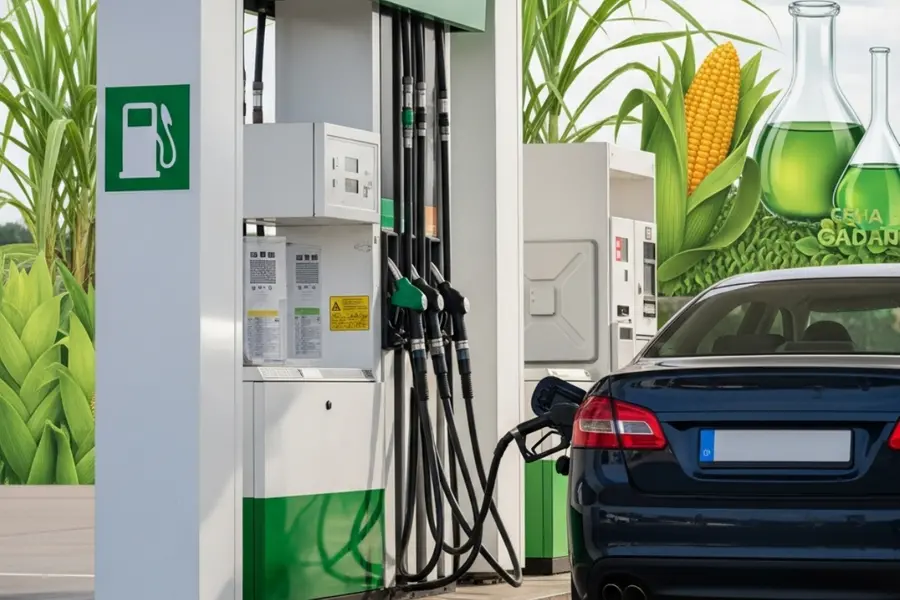
New Delhi: The Centre on Friday defended the Ethanol Blended Petrol (EBP) Programme, saying petrol prices in Delhi could have climbed to nearly ₹125 per litre during the peak of global crude oil price spikes had ethanol blending not been introduced.
Responding to criticism over the programme's cost and its impact on food security, the Ministry of Petroleum and Natural Gas said ethanol blending has shielded Indian consumers from international oil price volatility while strengthening the country's energy security.
Also Read

Highlighting the benefits of the programme, the ministry said, "The result? Nearly ₹30 per litre in savings at the pump during the peak of the crisis. The value of ethanol blending is not about being the cheapest fuel every day. It is about protecting Indian consumers from extreme volatility in global oil markets, strengthening India's energy security, and keeping more of the country's fuel bill within the Indian economy rather than sending it overseas."
According to the ministry, when the Indian crude oil basket touched around USD 135 per barrel, petrol prices without ethanol blending were projected to reach nearly ₹125 per litre in Delhi.
Instead, consumers paid ₹94.77 per litre, as 20 per cent of every litre consisted of domestically produced ethanol procured at stable, pre-agreed prices, insulating fuel prices from global crude oil fluctuations.
The ministry said the Ethanol Blended Petrol Programme has so far generated foreign exchange savings of more than ₹1.97 lakh crore, replaced over 316 lakh metric tonnes of crude oil imports, and helped reduce more than 950 lakh metric tonnes of carbon dioxide emissions.
Rejecting claims that the programme survives on taxpayer support, the ministry said, "Ethanol blending isn't a taxpayer subsidy. It's India's energy insurance and it has already delivered when the crisis hit."
It also noted that the initiative has resulted in direct payments of over ₹1.66 lakh crore to farmers and distillers, while creating a stable domestic market for agricultural produce and helping reduce India's dependence on imported crude oil, which currently accounts for around 88 per cent of the country's requirement.
Published: 01 Aug 2026, 06:36 pm IST
ABOUT THE AUTHOR
Related Topics
Disclaimer: Kindly avoid objectionable, derogatory, unlawful and lewd comments, while responding to reports. Such comments are punishable under cyber laws. Please keep away from personal attacks. The opinions expressed here are the personal opinions of readers and not that of Mathrubhumi.