
The Centre says scientific studies do not support claims that E20 petrol damages engines, but concerns over mileage reduction and older vehicle compatibility continue to drive debate among consumers.
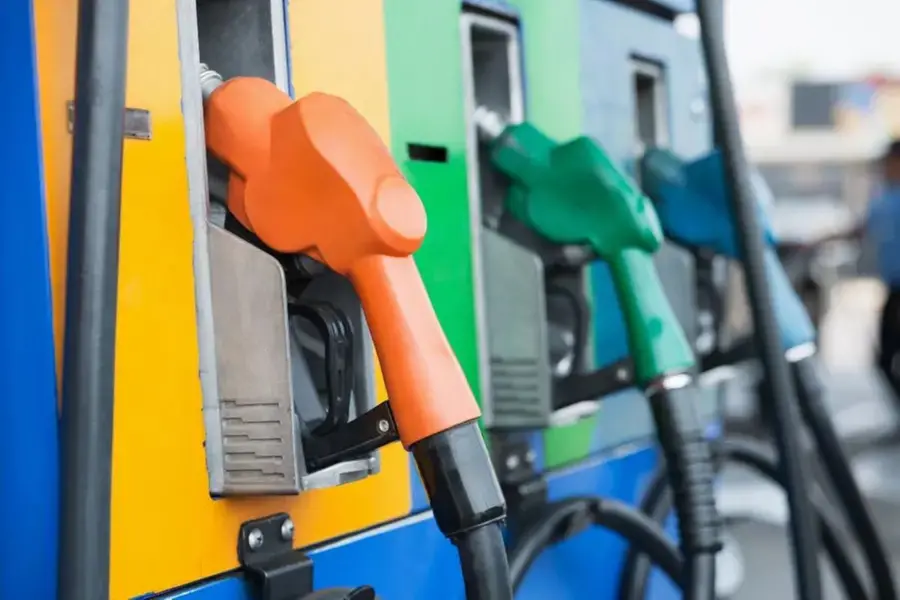
New Delhi: The Centre has told Parliament that no scientific study has confirmed claims that E20 petrol causes engine damage or major vehicle problems. However, concerns over mileage reduction, older vehicles and consumer experiences continue to fuel debate around the country's ethanol blending policy.
The government has told Parliament that concerns over E20 petrol damaging vehicle engines or reducing mileage have not been supported by scientific evidence.
Also Read

In its response, the Centre said the rollout of petrol blended with 20 per cent ethanol was based on scientific studies, field trials and consultations with automobile and research organisations.
The government said tests conducted by organisations including the Indian Oil Corporation Limited (IOCL), Indian Institute of Petroleum (IIP), Society of Indian Automobile Manufacturers (SIAM) and Automotive Research Association of India (ARAI) did not find significant negative effects on engine durability, vehicle performance, drivability or BS-VI emission standards.
Government says testing was done before rollout
The Centre said India's ethanol blending roadmap was developed after years of research and testing.
The ethanol blending level increased from around 1.53 per cent in 2013-14 to the target of 20 per cent by December 2025.
According to the government, the studies showed that most vehicles could operate on E20 petrol without major modifications.
However, it acknowledged that some older vehicles, particularly models manufactured before 2016, may require replacement of certain rubber components or gaskets during maintenance.
Mileage concerns remain a major debate
While the government has rejected claims of engine damage, it has previously acknowledged that ethanol blending can affect fuel efficiency.
The Centre has said E20 petrol may result in around 3-5 per cent lower mileage compared with conventional petrol because ethanol has lower energy content than petrol.
The government argues that E20 offers other benefits, including higher octane rating, improved anti-knock properties, cleaner combustion and reduced emissions.
Critics and some vehicle owners, however, continue to raise concerns about real-world mileage drops and long-term maintenance costs.
Social media claims and consumer concerns
The government said claims linking E20 petrol to widespread engine damage are largely based on social media discussions and have not been scientifically verified.
It cited inputs from automobile industry bodies and said there have been no verified reports of large-scale engine failures caused by E20 petrol.
Despite this, concerns among some vehicle owners have increased, with demand rising for ethanol-free premium petrol.
Demand rises for ethanol-free premium petrol
Sales of 100-octane petrol, which is currently exempt from ethanol blending, have reportedly increased amid the E20 controversy.
The fuel is sold by oil companies under premium brands such as XP100, Speed100 and poWer100 and is mainly used for high-performance vehicles.
The fuel is significantly more expensive than regular petrol, with prices in Delhi reportedly around ₹160 per litre compared with about ₹102 per litre for regular E20 petrol.
Industry sources said the recent rise in demand has been driven partly by concerns among consumers over possible vehicle damage.
Who may be affected by E20 petrol?
The debate is particularly focused on older vehicles that may not have been designed for higher ethanol blends.
Modern vehicles manufactured after E20 compatibility standards were introduced are generally expected to handle the fuel, according to automobile industry assessments.
However, questions remain about older vehicles, replacement costs and whether consumers have received enough information about compatibility.
The E20 controversy is part of India's broader effort to reduce dependence on imported crude oil and increase the use of domestically produced ethanol.
Supporters say ethanol blending can reduce fuel import costs, support farmers and lower emissions. Critics argue that the transition must consider vehicle compatibility, consumer costs and food security concerns linked to ethanol production.
The debate now centres on balancing energy security goals with the practical concerns faced by vehicle owners.
Published: 29 Jul 2026, 09:08 pm IST
ABOUT THE AUTHOR
Related Topics
Disclaimer: Kindly avoid objectionable, derogatory, unlawful and lewd comments, while responding to reports. Such comments are punishable under cyber laws. Please keep away from personal attacks. The opinions expressed here are the personal opinions of readers and not that of Mathrubhumi.