
Major updates to LPG cylinder delivery protocols, pricing revisions and mandatory eKYC requirements are expected to take effect across India starting 1 May 2026.
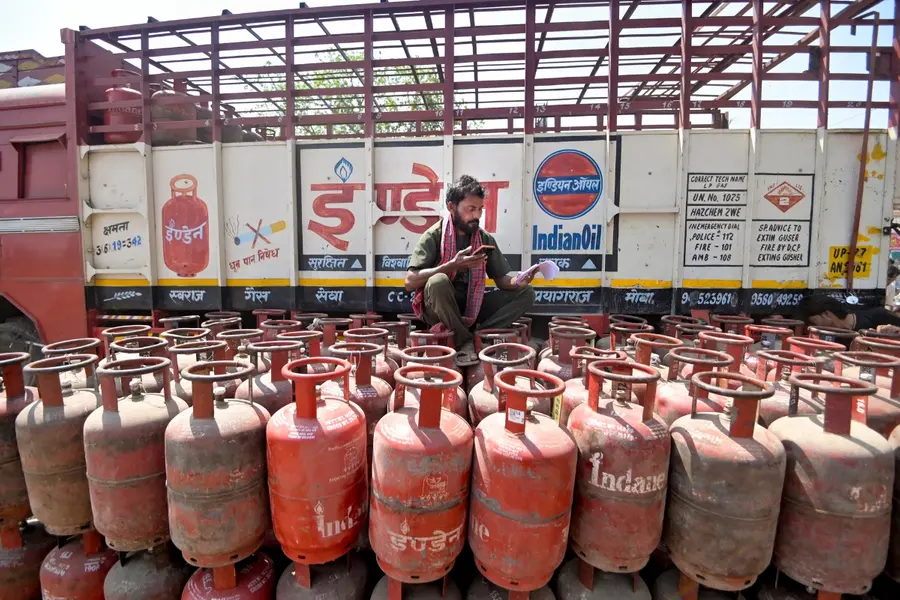
New Delhi: As May approaches, major changes to LPG cylinder booking and delivery regulations are anticipated. The global energy sector remains in crisis due to ongoing international conflicts, leading to supply shortages, delivery delays and fluctuating costs.
In response to these global pressures, India is prepared to implement strategic rules to manage supply. While geopolitical tensions persist, several key transitions are expected in the domestic gas sector for May 2026.
Expected changes in May 2026
Reports suggest that major Oil Marketing Companies (OMCs), including Indian Oil, BPCL and HPCL, are discussing new delivery protocols. An official announcement is expected in May 2026 that could redefine the monthly booking and distribution landscape.
Price revisions: A nationwide revision of LPG prices is anticipated on May 1, 2026. Following recent regional conflicts, OMCs increased the price of 14.2 kg domestic cylinders by approx Rs 60. However, 19 kg commercial cylinders saw three price hikes within a single month.
Commercial surge: In April 2026, the price of 19 kg cylinders in metro cities rose by Rs 196 to 218. This followed a steep hike of Rs 114.5 on March 7 and an earlier increase on March 1.
OTP delivery: The Delivery Authentication Code (DAC) system, which relies on an OTP, is likely to become a permanent fixture to prevent fuel diversion and ensure the cylinder reaches the correct consumer.
Lock-in periods: Companies may also revise the current 25-day "lock-in period" required between subsequent cylinder bookings.
Current supply status and priorities
Despite geopolitical instability, the government has ensured 100% supply for domestic LPG, PNG and CNG. Online bookings have surged to 98%, and nearly 94% of deliveries are now authenticated via OTP.
For commercial gas, priority is being granted to essential sectors:
- Hospitals and educational institutions.
- Pharma, Steel, Automobile, and Agriculture industries.
Supply of 5 kg FTL (Free Trade LPG) cylinders for migrant workers has been doubled.
Existing booking and authentication rules
Booking intervals: To manage demand, the Ministry of Petroleum and Natural Gas previously adjusted booking intervals. Currently, the gap between bookings is 25 days in urban areas and 45 days in rural areas.
Biometric Aadhaar authentication: Biometric eKYC is now mandatory for beneficiaries of the Pradhan Mantri Ujjwala Yojana. The Ministry has clarified that all LPG consumers who have not yet completed their eKYC must do so to maintain their connections and subsidies.
Transition to PNG: The government is actively encouraging a shift from LPG to Piped Natural Gas (PNG) in major cities. Commercial users are being prioritised for this transition. Consumers can apply via customer portals or official correspondence. Notably, PNG users are currently restricted from applying for new LPG connections to streamline energy distribution.
Published: 28 Apr 2026, 06:48 am IST
Related Topics
Disclaimer: Kindly avoid objectionable, derogatory, unlawful and lewd comments, while responding to reports. Such comments are punishable under cyber laws. Please keep away from personal attacks. The opinions expressed here are the personal opinions of readers and not that of Mathrubhumi.
