
India is considering supplying reduced LPG quantities in domestic cylinders as disruptions in the Strait of Hormuz strain fuel imports
New Delhi: India is preparing for a potential cooking gas shortage as supply disruptions linked to tensions in the Strait of Hormuz continue to impact LPG imports. In response, state-run oil marketing companies (OMCs) are exploring a strategy to distribute smaller quantities of gas to households.
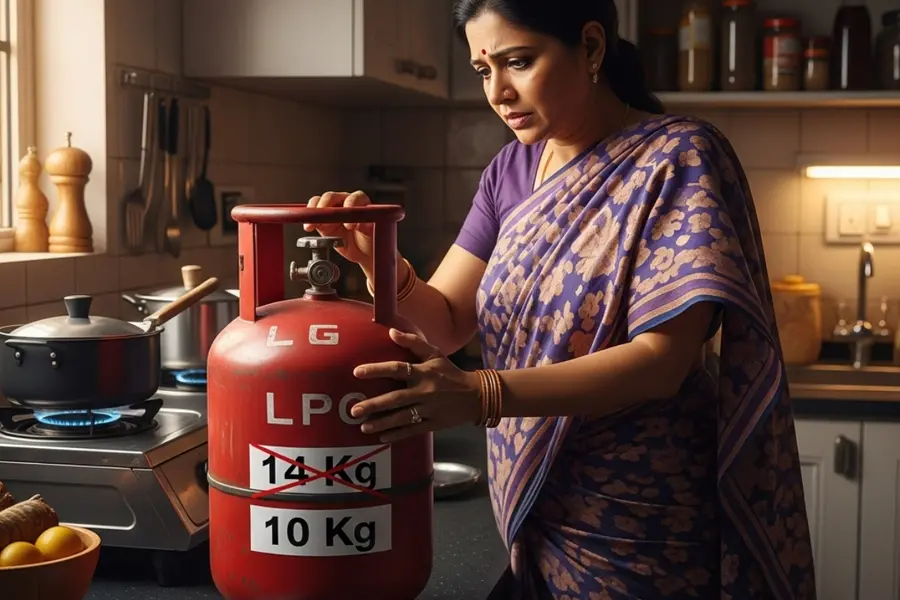
Under the proposal, standard 14.2 kg domestic LPG cylinders may be filled with only 10 kg of gas. The aim is to stretch limited supplies and ensure that a larger number of households continue to receive refills during the ongoing crisis.
Also Read

Officials indicated that such cylinders would be clearly labelled to reflect the reduced quantity, and prices would be lowered proportionately. Currently, a full 14.2 kg cylinder costs over ₹900 in major cities like Delhi and Mumbai.
Why the move is being considered
India relies heavily on imports to meet its LPG demand, with nearly 60% sourced from abroad. The ongoing geopolitical tensions and disruptions in shipping routes through the Strait of Hormuz — a key global energy corridor — have slowed down LPG shipments to the country.
Reports suggest that only a limited number of LPG tankers have managed to reach Indian shores in recent weeks, creating a widening gap between demand and supply.
How it affects households
A typical 14.2 kg LPG cylinder lasts an average household around 35 to 40 days. Officials estimate that a 10 kg refill could still last close to a month, allowing families to manage basic cooking needs while helping authorities distribute available stock more widely.
Implementing the plan would require significant adjustments. Bottling plants would need to recalibrate their systems to fill reduced quantities, and regulatory approvals may be necessary before rolling out the change.
Industry experts have also cautioned that the move could lead to confusion among consumers and may trigger public or political backlash if not communicated clearly.
Steps taken by the government
The government has already begun taking measures to manage the crisis. City gas distribution companies have been asked to prioritise piped natural gas supply for commercial users, easing pressure on LPG meant for households.
Officials have described the situation as “worrisome” but maintain that domestic supply remains stable for now.
The proposed move reflects the severity of the ongoing supply crunch and highlights India’s vulnerability to global energy disruptions. If implemented, it would mark a significant shift in how LPG is distributed, prioritising wider access over full-capacity supply during emergencies.
The final decision on the plan is still under consideration, with authorities weighing logistical, economic, and public response factors.
Published: 23 Mar 2026, 03:05 pm IST
Disclaimer: Kindly avoid objectionable, derogatory, unlawful and lewd comments, while responding to reports. Such comments are punishable under cyber laws. Please keep away from personal attacks. The opinions expressed here are the personal opinions of readers and not that of Mathrubhumi.