
Experts point out that India’s infrastructure remains heavily dependent on coal, making it the most accessible option during short-term disruptions.
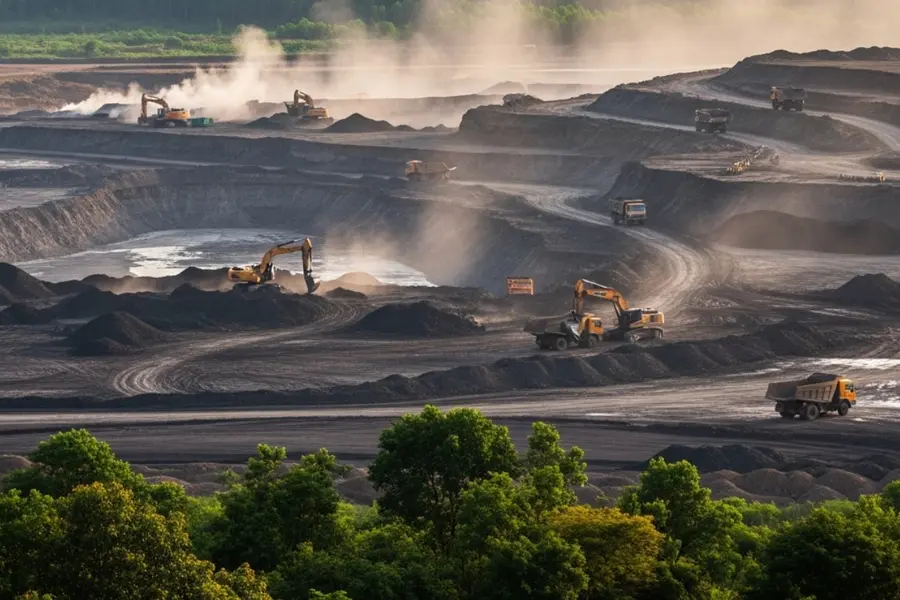
India is turning back to coal as war-driven disruption in the Middle East squeezes fuel supplies, forcing urgent stopgap measures to keep households and businesses running. A blockade in the Strait of Hormuz has stalled multiple shipments, tightening LPG availability and exposing vulnerabilities in the country’s energy chain.
With shipping lanes effectively choked, India is facing a sharp shortfall in cooking gas supplies. To prevent households from running out of LPG, the environment ministry has allowed restaurants and hotels to temporarily switch to coal, kerosene and biomass for at least a month.
The measure is designed to prioritise LPG for domestic consumption while ensuring the hospitality sector continues operating, albeit on more polluting fuels.
In cities where firewood is not viable, many households are turning to electric cooking as a fallback. Yet this shift does little to cut emissions. Since coal accounted for nearly 79% of India’s domestic energy in 2023-24, increased electricity use often translates into greater coal consumption at power plants rather than cleaner energy use at home.
Experts point out that India’s infrastructure remains heavily dependent on coal, making it the most accessible option during short-term disruptions. While solar and biogas projects are expanding, they cannot scale quickly enough to address immediate shortages, reinforcing coal’s role as a critical fallback.
Power push amid rising demand
The strain is compounded by soaring electricity needs. A Reuters report published on Monday said that the government has ordered Tata Power’s 4-gigawatt plant in Gujarat to run at full capacity from April 1 to June 30.
This directive comes as peak power demand is expected to reach a record 270 gigawatts during the summer. The plant had remained largely idle for six months due to high imported coal costs and the absence of supply agreements. A newly approved power purchase deal with the Gujarat government has now enabled operations to resume.
The report adds that a committee will decide pricing benchmarks, and similar steps could be extended to other imported-coal plants to stabilise the grid during extreme heat.
Health concerns resurface
The return to coal and biomass carries significant health risks. Experts warn that increased use of these fuels will raise indoor air pollution levels, exposing people to fine particles and toxic emissions linked to heart and lung diseases.
Although officials describe the shift as temporary, the crisis underlines coal’s enduring role as the backbone of India’s energy security when global supply chains falter.
Published: 23 Mar 2026, 09:21 am IST
Disclaimer: Kindly avoid objectionable, derogatory, unlawful and lewd comments, while responding to reports. Such comments are punishable under cyber laws. Please keep away from personal attacks. The opinions expressed here are the personal opinions of readers and not that of Mathrubhumi.
