
Kerala introduces a dedicated SOS portal to provide emergency commercial LPG cylinders as a severe supply crisis hits the hospitality sector.
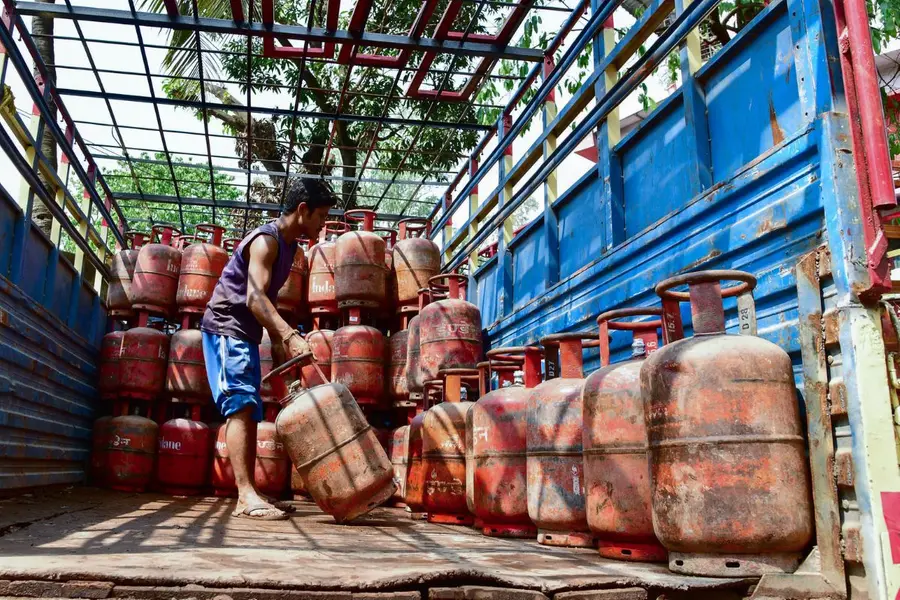
Thiruvananthapuram: An SOS system has been introduced to provide cooking gas cylinders to those with urgent requirements. This system was established to address the shortage of commercial LPG cylinders for weddings, housewarmings, funerals and religious ceremonies. Applicants must submit an SOS request through the dedicated portal detailing the emergency.
If a monitoring committee, led by the District Collector, is satisfied with the necessity, District Supply Officers will issue a recommendation. Accordingly, oil companies will distribute cylinders through local agencies.
Due to the shortage of cooking gas cylinders, hotels and restaurants have begun to close, leading various voluntary organisations to start cloud kitchens and parallel eateries. These cloud kitchens are being launched in different parts of the state with the cooperation of political parties, clubs and organisations. There is also a plan to deliver food directly to hospitals and hostels through volunteers.
Geopolitical roots of the crisis
The primary cause of the current shortage is the escalating military conflict in West Asia, which has severely disrupted global energy supply chains. As India relies on imports for nearly 60% of its LPG needs—with 90% of those imports traditionally passing through the Strait of Hormuz—the effective closure of this critical maritime chokepoint has stalled cargo movements. This "energy blockade" has forced India to scramble for alternative sources from as far as the United States and Russia, leading to a major delay in replenishing local stocks.
Due to these tensions, maritime freight and insurance costs have surged, and several international suppliers have declared force majeure, pausing their deliveries. To shield citizens from the worst of the impact, the Indian government has prioritised domestic supply, which has directly resulted in the current scarcity of commercial cylinders. This redirection of resources, combined with the logistical nightmare of rerouting tankers away from the conflict zone, has left the hospitality and industrial sectors facing a severe fuel crunch.
Published: 23 Mar 2026, 10:29 am IST
Related Topics
Disclaimer: Kindly avoid objectionable, derogatory, unlawful and lewd comments, while responding to reports. Such comments are punishable under cyber laws. Please keep away from personal attacks. The opinions expressed here are the personal opinions of readers and not that of Mathrubhumi.
