
The delays have frustrated European capitals, prompting some to reconsider their reliance on U.S. hardware in favour of domestic production.
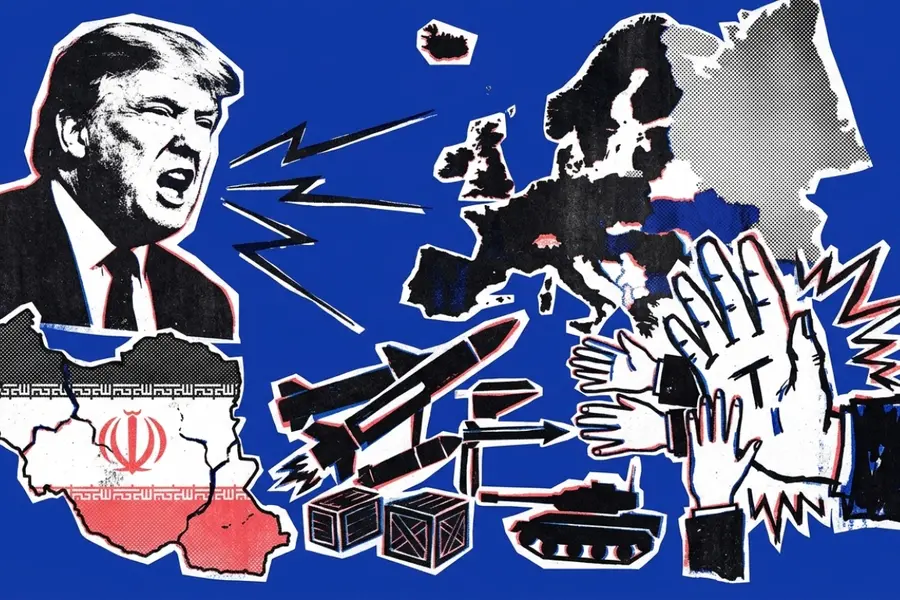
Washington: U.S. officials have notified several European allies that previously contracted arms shipments are likely to be postponed as the ongoing conflict with Iran continues to deplete American military inventories, according to five sources familiar with the discussions.
The delays, reported exclusively by Reuters, are expected to impact a range of European nations, with those in Scandinavia and the Baltic region among the most affected. The communications were reportedly delivered through bilateral messages in recent days.
The equipment in question was purchased through the Foreign Military Sales (FMS) program, a government-to-government mechanism through which Washington facilitates the sale of American-made hardware to foreign partners.
ALSO READ: Did Hegseth misquote Ezekiel 25:17? ‘Pulp Fiction’ in Pentagon payer
Strain on Global Stockpiles
The bottlenecks highlight the mounting pressure on U.S. munitions supplies since the commencement of the U.S.-Israeli air campaign against Iran on Feb. 28. American stockpiles had already been significantly reduced by billions of dollars' worth of transfers—including artillery, ammunition, and anti-tank missiles—following the 2022 invasion of Ukraine and the 2023 onset of operations in Gaza.
Since the Iran campaign began, Tehran has launched hundreds of drones and ballistic missiles at Gulf nations. The defence against these salvos has required a high volume of interceptors, such as the PAC-3 Patriot system, which is also a critical component of Ukraine's defence of its own infrastructure.
While the White House and State Department deferred inquiries to the Pentagon, which did not provide a comment, the sources noted that the delayed materiel includes various types of dual-use ammunition suitable for both offensive and defensive manoeuvres.
ALSO READ: Beyond the bombs: Why global wars are making the Indian dream more expensive
Transatlantic Friction
The logistical setback has caused considerable frustration in European capitals. Under President Donald Trump, Washington has consistently urged NATO partners to increase their acquisition of U.S. military technology to shift the burden of conventional European defence toward local allies.
However, the recurrent delays have prompted some European officials to reconsider their reliance on the American defence industry in favour of domestically produced systems.
U.S. officials have defended the prioritisation of assets for the Middle Eastern theatre, reportedly faulting European nations for their reluctance to assist in military efforts to reopen the Strait of Hormuz.
ALSO READ: The Meme President: How Donald Trump uses internet culture to stay dominant
Security Sensitivities
The sources requested that the identities of some affected nations be withheld, citing the sensitive nature of defence timelines for countries that share a border with Russia. For these frontline states, the cadence of weapons deliveries is considered a matter of vital national security.
The Pentagon's silence on the matter comes as European officials complain that the inability to receive contracted weapons has placed their respective defence postures in a precarious position during a period of heightened global instability.
Published: 17 Apr 2026, 10:08 am IST
Related Topics
Disclaimer: Kindly avoid objectionable, derogatory, unlawful and lewd comments, while responding to reports. Such comments are punishable under cyber laws. Please keep away from personal attacks. The opinions expressed here are the personal opinions of readers and not that of Mathrubhumi.
