
Trump urges Americans to accept higher gasoline prices as US-Iran tensions over the Strait of Hormuz escalate
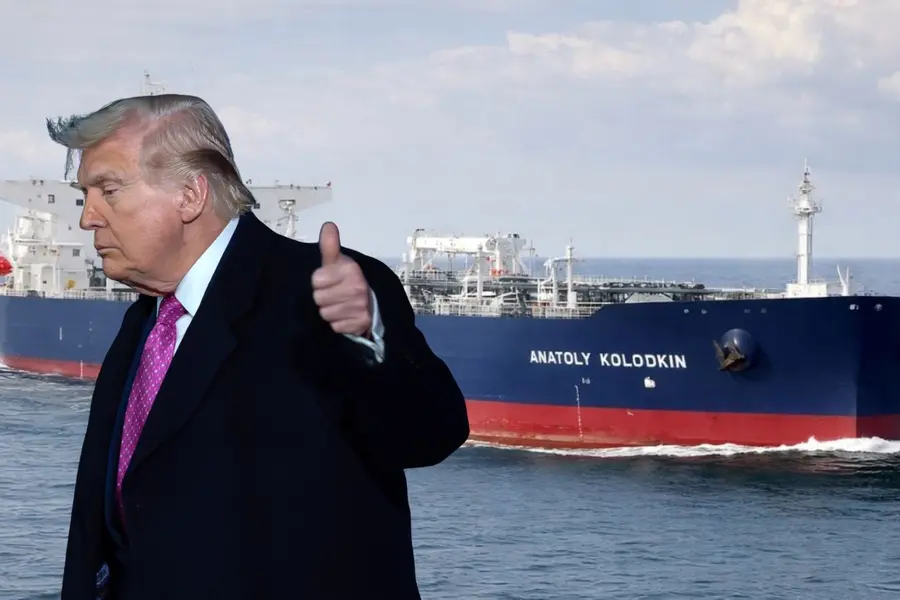
Washington DC: US President Donald Trump has urged Americans to accept slightly higher gasoline prices as the standoff with Iran over the Strait of Hormuz continues, while Washington appears to be widening diplomatic efforts to break the deadlock.
Donald Trump urged Americans to accept slightly higher gasoline prices as the US-Iran standoff over the Strait of Hormuz continues, while Washington expands diplomatic outreach to European countries.
Also Read

Trump asks Americans to accept higher fuel prices
Trump, speaking at a political rally in Garden City, New York, on Friday, said Americans might have to pay “a tiny little bit more” for gasoline while the US confronts Iran.
He argued that the higher cost would be worth preventing Iran from obtaining nuclear weapons. Trump has also threatened to bring the strategically important Strait of Hormuz under US control after what he described as an American victory over Iran.
The comments come as oil and fuel prices rise amid continuing uncertainty over shipping through the waterway.
According to the American Automobile Association, the average US gasoline price reached $4.08 per gallon on Friday, about 29% higher than a year earlier. Brent crude futures were on track for a weekly gain of about 6%, while West Texas Intermediate was heading for a rise of around 5.4%.
Iran refuses to give up control of Hormuz
Iran has maintained that the Strait of Hormuz will be opened or closed under its authority. Iranian Deputy Foreign Minister Kazem Gharibabadi said Tehran would continue enforcing the blockade unless the US accepted what he called the “reality of defeat”.
Iranian Foreign Minister Abbas Araghchi also said Tehran had not decided to resume negotiations with Washington. He indicated that US acceptance of Iranian conditions concerning the strait would be necessary for shipping traffic to resume.
The dispute is particularly significant because the Strait of Hormuz is a major global energy corridor through which a substantial share of the world's oil and gas shipments normally passes.
US expands diplomatic outreach
With direct US-Iran talks stalled, the Trump administration appears to be seeking assistance from a wider group of countries.
US Secretary of State Marco Rubio held talks with Austria's foreign minister in Washington on Tuesday and spoke with Greece's foreign minister on Wednesday. Both European ministers subsequently spoke with Araghchi.
Austria has offered to host possible future talks, while Greece has highlighted the importance of freedom of navigation and maritime security.
The diplomatic outreach comes alongside ongoing discussions involving Iran, Oman, Pakistan, Turkey and Qatar.
Why Austria and Greece matter
Austria has particular relevance to negotiations over Iran's nuclear programme because Vienna hosts the International Atomic Energy Agency and was previously the venue for negotiations that led to the 2015 Iran nuclear deal.
Greece, meanwhile, has significant maritime interests and is closely connected to international shipping through the Mediterranean, Red Sea and Gulf regions.
Analysts cited by AP said the involvement of the two European countries should not necessarily be viewed as formal mediation. Their role may instead reflect growing international pressure to prevent the conflict and disruption to Hormuz shipping from worsening.
The economic pressure is spreading
The Hormuz standoff is creating economic pressure on both sides.
In the US, higher fuel prices risk adding to inflation and creating political difficulties for the Trump administration ahead of the November midterm elections.
Iran is also facing severe economic consequences. Iranian President Masoud Pezeshkian has blamed high inflation on the US blockade of Iranian ports and sanctions affecting the country's oil exports.
Trump and US Treasury Secretary Scott Bessent have also indicated that Washington intends to impose further financial pressure on Tehran.
Analysis: Why the Strait of Hormuz has become central to the conflict
The dispute over Hormuz has broadened the immediate objectives of the US-Iran conflict. While preventing Iran from developing a nuclear weapon remains a stated US goal, reopening the major shipping route has become an urgent economic and strategic priority.
For Washington, prolonged disruption threatens fuel prices, inflation and political support. For Iran, maintaining control over the waterway provides significant leverage because of its importance to global energy markets.
The growing involvement of Austria, Greece and other countries also indicates that the consequences of the confrontation are extending well beyond the Middle East. European governments have strong interests in energy security, maritime trade and regional stability.
However, diplomatic involvement does not necessarily mean that a breakthrough is imminent. The central disagreement remains over the conditions for reopening the strait and the broader terms of any US-Iran settlement.
Published: 16 Aug 2026, 06:25 am IST
ABOUT THE AUTHOR
Disclaimer: Kindly avoid objectionable, derogatory, unlawful and lewd comments, while responding to reports. Such comments are punishable under cyber laws. Please keep away from personal attacks. The opinions expressed here are the personal opinions of readers and not that of Mathrubhumi.