
Abbas Araghchi has claimed that the United States sent “fresh messages” seeking renewed talks with Iran despite escalating rhetoric and recent disagreements involving Donald Trump.
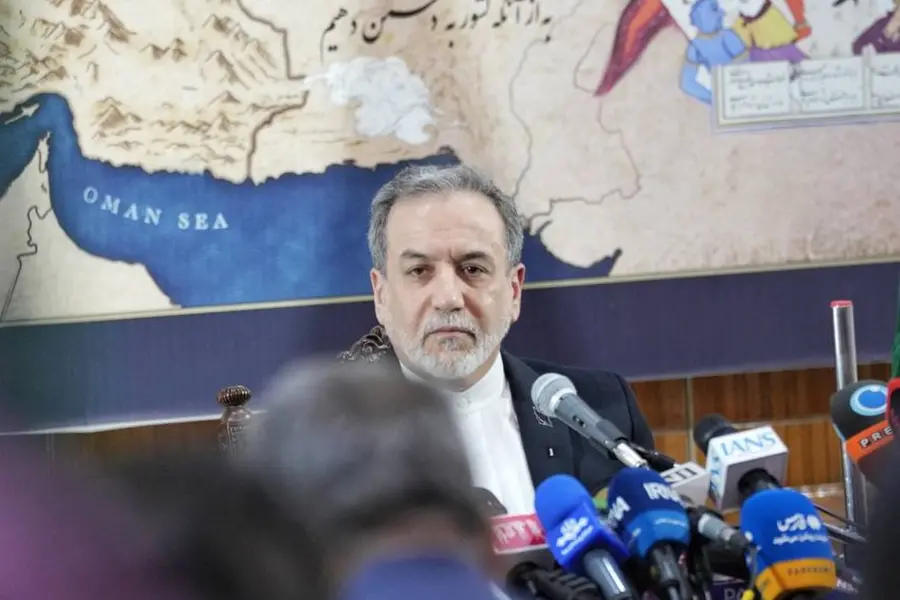
Tehran: Iranian Foreign Minister Abbas Araghchi has claimed that the United States recently sent new messages expressing willingness to continue dialogue with Tehran despite escalating rhetoric from US President Donald Trump and growing tensions in West Asia.
Speaking during the BRICS Foreign Ministers’ Meeting in New Delhi, Araghchi said Washington signalled interest in maintaining diplomatic engagement even after Trump publicly criticised Iran’s recent proposal.
Also Read

Addressing reporters during a lengthy press conference, Araghchi referred to Trump’s recent statement rejecting Iran’s proposal and calling it “unacceptable”.
He said the exchange reflected a position taken “a few days ago”, but claimed that Tehran later received fresh communication from American officials indicating that talks could continue.
“After that, we received messages again from the Americans saying they are willing to continue the talks and maintain engagement,” Araghchi said.
The Iranian foreign minister did not provide details regarding the nature of the messages or the channel through which they were delivered.
Strait of Hormuz and regional tensions
Araghchi also addressed concerns over the Strait of Hormuz, one of the world’s most critical oil shipping routes amid the ongoing regional crisis.
He stated that Iran was prepared to facilitate the movement of vessels through the strait and ensure continued energy supplies, particularly for countries such as India.
At the same time, he warned that the overall regional situation remained “very complicated” due to rising military and political tensions in West Asia.
The developments come amid intense global focus on discussions between Donald Trump and Xi Jinping regarding Iran and the broader Middle East conflict.
Iranian officials and commentary linked to Tehran suggested Washington failed to secure firm Chinese backing for a tougher approach against Iran during Trump’s recent China visit.
China has continued to publicly emphasise de-escalation, diplomatic engagement and regional stability while carefully balancing its economic interests and strategic ties in the region.
Analysts believe the situation reflects wider geopolitical realignments involving BRICS nations, China’s role in West Asia and increasing diplomatic competition between major global powers.
Iran highlights ties with India
During his remarks, Araghchi also praised India’s diplomatic position and said New Delhi could play a “constructive role” in addressing tensions in West Asia.
He stressed that Tehran remained committed to maintaining strong bilateral relations with India and was ready to continue supplying energy resources.
“We are determined to continue our good relations with India,” Araghchi said.
The Iranian minister further revealed that BRICS member countries were unable to issue a joint statement on West Asia due to differing views among member states.
Indian officials later acknowledged that countries within the bloc expressed varied perspectives on the conflict during discussions at the summit.
Despite disagreements on West Asia, Indian representatives described the BRICS meetings as productive and said member states reached consensus on several other issues including global governance, economic cooperation and international institutions.
Published: 16 May 2026, 10:16 am IST
Disclaimer: Kindly avoid objectionable, derogatory, unlawful and lewd comments, while responding to reports. Such comments are punishable under cyber laws. Please keep away from personal attacks. The opinions expressed here are the personal opinions of readers and not that of Mathrubhumi.