
US President Donald Trump has said he does not take into account the economic impact on Americans during negotiations with Iran, stating that preventing Tehran from acquiring a nuclear weapon remains his sole priority amid ongoing regional tensions.
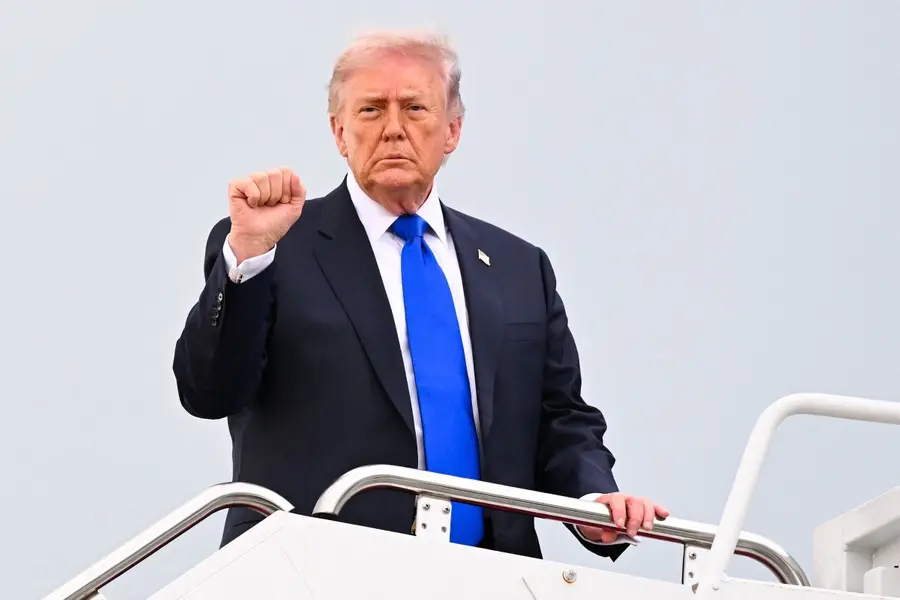
Washington DC: As global energy markets continue to reel under prolonged West Asia instability, US President Donald Trump has drawn fresh attention with a blunt assessment of his Iran strategy, stating that economic hardship faced by Americans is not a factor in his decision-making on the conflict.
In a direct response to questions on whether rising fuel and living costs influence his negotiations with Tehran, Trump said, “Not even a little bit. The only thing that matters when I am talking about Iran: they can’t have a nuclear weapon. I don’t think about Americans’ financial situation. I don’t think about anybody.”
Also Read

The remarks come at a time when the US and its allies continue to face economic pressure linked to the ongoing conflict, including a sharp rise in global energy prices and disruptions to key oil shipping routes following escalating tensions with Iran.
Nuclear concerns take priority amid widening crisis
Trump’s comments underline a hardline stance in the ongoing negotiations aimed at containing Iran’s nuclear programme, which has remained a central point of contention in the conflict that escalated after military action in February 2026.
The confrontation between the US, Israel and Iran has already triggered retaliatory strikes, heightened regional instability, and contributed to volatility in global oil markets. Energy analysts estimate that the prolonged crisis has added tens of billions of dollars in extra costs worldwide due to surging fuel prices.
A ceasefire brokered earlier in April through international mediation briefly paused direct hostilities, but diplomatic progress has since stalled. Recent exchanges between Washington and Tehran have failed to produce a framework for a lasting agreement, with both sides maintaining firm and opposing positions.
Iran has rejected the latest US proposals, calling them “totally unacceptable,” while insisting on recognition of its nuclear rights and strategic demands. In response, Iranian parliamentary speaker Mohammad Bagher Qalibaf reiterated that there is “no alternative” but to accept Tehran’s conditions, warning that continued deadlock would only deepen instability.
Rising economic pressure in the background
Although the US administration continues to emphasise national security priorities, the broader economic impact of the conflict is increasingly visible. Disruptions in global oil supply chains and uncertainty around the Strait of Hormuz have contributed to higher fuel prices across multiple economies, including the United States.
Despite this, Trump has maintained that such economic consequences do not factor into his strategic calculus, keeping the focus firmly on preventing Iran from developing nuclear weapons.
With diplomatic channels still fragile and military tensions unresolved, the standoff between Washington and Tehran shows little sign of easing. Analysts warn that without a sustained agreement, both geopolitical and economic instability could continue to intensify in the months ahead.
Published: 13 May 2026, 01:00 pm IST
Disclaimer: Kindly avoid objectionable, derogatory, unlawful and lewd comments, while responding to reports. Such comments are punishable under cyber laws. Please keep away from personal attacks. The opinions expressed here are the personal opinions of readers and not that of Mathrubhumi.