
Petrol and diesel prices have been increased by ₹3 per litre across India after days of panic buying and rising global crude oil pressure
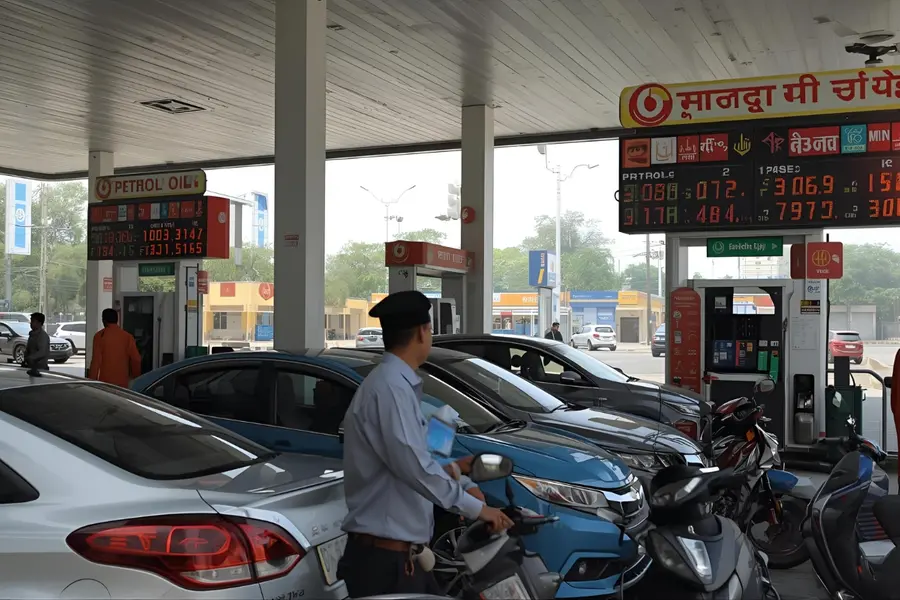
New Delhi: Petrol and diesel prices have been increased by ₹3 per litre across India, marking a partial pass-through of rising global crude oil costs. The revision comes shortly after days of panic buying triggered by rumours of a sharp hike and growing volatility in international energy markets.
Oil marketing companies confirmed that the increase reflects sustained pressure from higher crude oil prices, currency fluctuations, and rising import costs. Officials said fuel retailers had been absorbing part of the global surge for some time, but continued losses made the adjustment necessary.
Also Read

New fuel prices revised across the country
After the revision, petrol is retailing at around ₹97.77 per litre, while diesel is priced at approximately ₹99.67 per litre, with slight variations depending on state taxes and local factors. The increase marks one of the first notable upward revisions after a relatively stable pricing period in recent months.
Industry officials described the move as a necessary correction to align domestic prices with international benchmarks, as crude oil markets remain under pressure.
Why the price hike was introduced now
Officials attributed the revision to sustained increases in global crude oil prices, higher import costs, and pressure on oil marketing companies due to under-recovery. A weaker rupee against the US dollar also added to the cost burden, increasing the overall import bill for fuel.
Analysts said that while companies had delayed passing on the full impact to consumers, continued market pressure made further postponement difficult.
Panic buying before the hike intensified market disruption
The price increase follows widespread panic buying across several states, where consumers rushed to fuel stations fearing a much larger hike of ₹5 to ₹20 per litre. In multiple regions including Delhi-NCR, Uttar Pradesh, Gujarat, Bihar, Rajasthan and Odisha, petrol pumps reported unusually heavy crowds and long queues stretching onto main roads.
Several outlets temporarily displayed “No Fuel” or “No Stock” boards as demand surged sharply within a short period. Many consumers opted to fill full tanks, contributing to artificial shortages at retail level despite stable supply conditions.
Transport sector and households feel immediate pressure
The revision is expected to directly impact transport operators, logistics companies and daily commuters. Even a ₹3 per litre increase is likely to raise operating costs for commercial vehicles, which could eventually feed into higher prices for goods and services.
Economists have warned that fuel price increases typically have a cascading effect on inflation, affecting food prices, freight charges and essential commodities. Middle-class households dependent on daily travel are expected to feel the pressure more sharply.
Public reaction has been divided in several cities. In Delhi and the NCR region, some commuters said the hike was manageable if it stabilised the market, while others expressed concern over already high living costs and stagnant incomes.
In Gujarat, Rajasthan and Uttar Pradesh, petrol pump operators reported that demand normalised after the initial surge, though levels remained slightly higher than usual. In smaller towns such as Kanpur and Patna, residents voiced concerns about rising expenses and long-term affordability of fuel.
Oil companies say hike was unavoidable
Oil marketing companies described the revision as a partial adjustment rather than a full transfer of global cost increases. Officials said firms continue to absorb part of the burden to avoid sudden shocks to consumers.
They added that future price movements will depend on global crude oil trends, currency fluctuations, and geopolitical stability, particularly in West Asia, which remains a key region for global energy supply routes.
The government reiterated that fuel supply remains stable across the country and there is no shortage of petrol, diesel or LPG. Authorities also urged citizens to avoid panic buying and rely only on official information, warning that rumours can create temporary disruptions even when supply chains are functioning normally.
Officials said they will continue to monitor international developments closely before taking further pricing decisions.
What lies ahead for fuel prices
Market analysts believe that further increases cannot be ruled out if global crude oil prices continue to rise. However, they also expect that any future adjustments may be staggered to avoid sudden inflationary pressure on consumers.
For now, India’s fuel market remains closely tied to global energy trends, with geopolitical tensions and supply dynamics likely to determine the next phase of pricing movement.
Published: 15 May 2026, 07:02 am IST
Related Topics
Disclaimer: Kindly avoid objectionable, derogatory, unlawful and lewd comments, while responding to reports. Such comments are punishable under cyber laws. Please keep away from personal attacks. The opinions expressed here are the personal opinions of readers and not that of Mathrubhumi.