
India has restricted sugar exports until September 2026 amid concerns over global tensions, supply stability and rising inflation
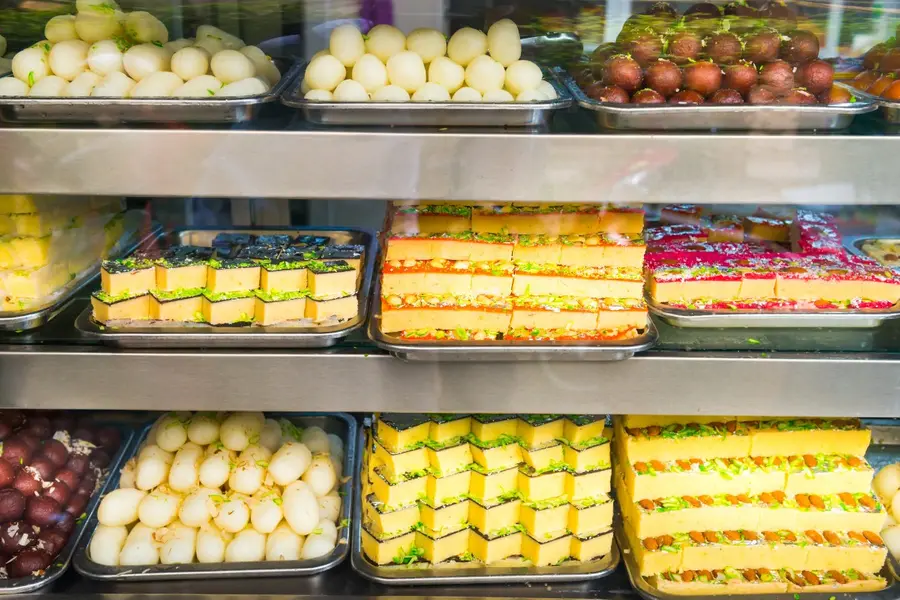
New Delhi: India’s decision to prohibit the export of raw and refined sugar until September 30, 2026, has triggered fresh concerns about the future cost of sweets, desserts and beverages, especially if tensions in West Asia continue to escalate.
The restriction, announced by the Directorate General of Foreign Trade, comes amid the ongoing geopolitical tensions involving Iran and the United States. The government’s move is being viewed as an attempt to protect domestic sugar supplies and prevent a sharp rise in food inflation in the coming months.
In its latest notification, the DGFT said exports of white sugar would not be permitted for the next few months.
Why has India stopped sugar exports?
According to reports, policymakers are concerned about rising import costs, supply disruptions and the broader economic impact of instability in West Asia.
Officials believe that if tensions worsen further, maintaining adequate domestic sugar stocks will become important to ensure stable prices within the country.
Experts have also warned that continued exports could significantly reduce India’s sugar buffer stock, creating the risk of shortages later if global supply chains are affected by prolonged conflict.
The government is understood to have prioritised domestic availability over export commitments in order to maintain balance in the market and keep inflation under control.
Concern over inflation and supply pressure
The decision is also linked to fears that higher food prices could eventually push up overall retail inflation.
Policymakers reportedly believe limiting sugar exports could help middle-class households as well as businesses dependent on sugar, particularly the beverage industry.
Another factor affecting supply is the growing diversion of sugarcane towards ethanol production, which experts say may reduce overall white sugar output in the country.
The Centre is expected to continue monitoring inflation closely and could consider similar interventions in other sectors if price pressures increase further.
Will sweets and desserts become expensive?
For now, experts say the export restriction could temporarily help stabilise domestic sugar prices and prevent an immediate spike in the cost of sweets and desserts.
However, concerns remain about the longer-term impact if the West Asia crisis deepens.
Analysts warn that transport and fuel costs could rise sharply if the conflict intensifies, indirectly affecting food prices across India. Higher logistics expenses may eventually increase the cost of producing and transporting desserts, confectionery items and packaged beverages.
Indian households could also feel the impact through rising fuel prices, which often affect everyday grocery and supply chain expenses.
Beverage industry may also face pressure
The beverage sector is expected to face additional challenges if fuel prices continue climbing in the months ahead.
Industry observers believe any prolonged disruption in global energy markets could increase operating costs for manufacturers, particularly those dependent on sugar-based production.
At the same time, concerns remain over whether sugar availability could tighten further because of ethanol production priorities.
Amid economic uncertainty and global tensions, Prime Minister Narendra Modi recently advised citizens to spend carefully and reduce excessive consumption of oil and sugar.
While the government’s export ban is currently aimed at protecting domestic consumers, experts say future price trends will largely depend on how long the geopolitical crisis continues and whether global supply chains remain stable.
With agency inputs
Published: 14 May 2026, 02:42 pm IST
Related Topics
Disclaimer: Kindly avoid objectionable, derogatory, unlawful and lewd comments, while responding to reports. Such comments are punishable under cyber laws. Please keep away from personal attacks. The opinions expressed here are the personal opinions of readers and not that of Mathrubhumi.
