
India is considering levies on LPG and natural gas users to fund a $42 billion strategic fuel reserve programme aimed at boosting energy security after Middle East supply disruptions.
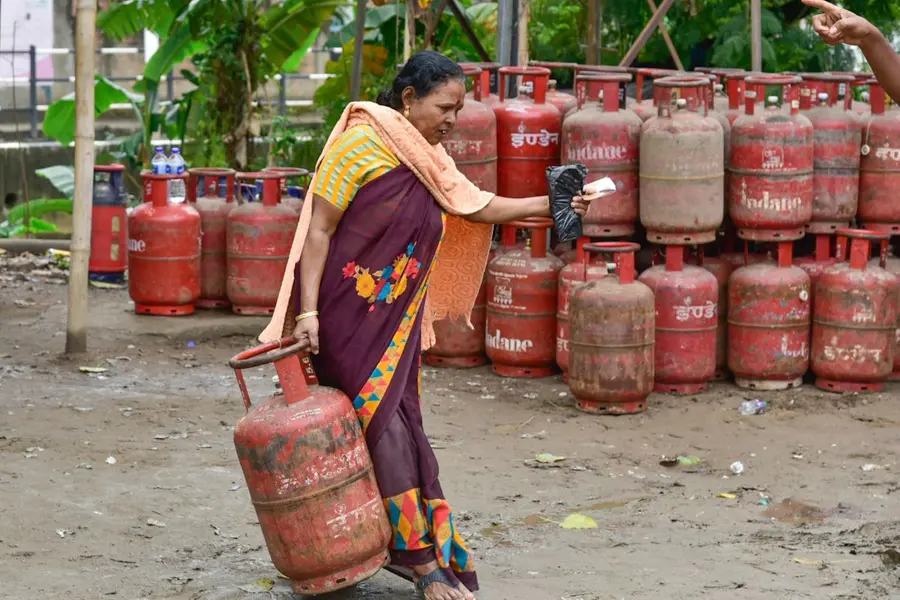
India is considering expanding its strategic fuel reserves beyond crude oil by creating storage facilities for liquefied natural gas (LNG) and liquefied petroleum gas (LPG), according to sources familiar with the proposal.
The move comes after recent disruptions linked to the Iran war and instability in the Middle East highlighted India's dependence on imported energy supplies.
Also Read

The proposed 10-year programme is estimated to cost around $42 billion and aims to create fuel buffers that can protect the country during international supply shocks.
LPG and natural gas users may face additional charges
Under the proposal, the government may impose a levy on LPG and natural gas consumers to help finance storage infrastructure.
Sources said the proposed charges could generate around $1.5 billion annually.
The Ministry of Petroleum and Natural Gas is reportedly considering:
- A levy of Rs 1.29 per kg of LPG, which could add around Rs 18 to a standard domestic cooking gas cylinder
- A levy of Rs 1.43 per standard cubic metre of natural gas
- The proposed charges could increase household gas bills by around 2 per cent, according to sources.
- The exact method of collecting the levies has not yet been finalised, and the proposal is still under discussion between government departments.
What will the $42 billion reserve programme include?
The planned strategic reserve expansion would include:
- 28 million metric tonnes of additional crude oil storage capacity
- 9 million tonnes of LNG storage capacity
- 4 million tonnes of LPG storage capacity
- The reserves are expected to cover:
- Around two months of crude oil demand
- Around two months of LNG requirements
- Around six weeks of LPG consumption
While new storage for LPG and natural gas would be funded through consumer levies, crude oil reserves and strategic inventories would continue to receive government funding.
Why India needs bigger fuel reserves
India is the world's third-largest oil importer and consumer, importing nearly 90 per cent of its crude oil requirements.
The country's dependence on overseas supplies makes it vulnerable to geopolitical conflicts, shipping disruptions and price volatility.
The Strait of Hormuz, a key route for oil and gas shipments from Gulf countries, has become a major concern amid rising tensions in West Asia.
The recent disruptions increased import costs and pushed the government to reconsider its emergency fuel preparedness.
India’s current reserves lag behind major Asian economies
India currently has around 5.33 million tonnes of government-owned strategic crude oil storage capacity, with another 6.5 million tonnes under construction.
However, the country does not currently have dedicated strategic reserves for LPG and LNG.
Government-controlled reserves cover less than 10 days of demand, while countries such as Japan and South Korea maintain fuel reserves covering more than 100 days.
Government says LPG supply remains stable
During a recent inter-ministerial briefing, officials said India was taking steps to maintain uninterrupted LPG supply.
Joint Secretary in the Ministry of Petroleum and Natural Gas Sujata Sharma said India has increased domestic LPG production by 28 per cent following government measures.
She said India imports nearly 60 per cent of its LPG, with a large share coming through the Strait of Hormuz.
Officials also said nearly 50 lakh LPG cylinders are delivered daily across the country and that no major supply shortages have been reported.
Political challenge for government
The proposed levy could become a sensitive issue as it would increase fuel-related costs for millions of households.
Although the additional amount per cylinder would be limited, any rise in cooking gas prices can have wider political and economic implications. The proposal has not yet received final approval from the Union Cabinet.
What happens next?
The government is expected to examine the funding structure, storage requirements and impact on consumers before taking a final decision.
The proposed fuel reserve expansion reflects India's effort to strengthen energy security and reduce vulnerability to global crises. However, the challenge will be balancing long-term energy protection with the immediate impact of higher fuel costs on households.
Published: 05 Aug 2026, 08:01 pm IST
ABOUT THE AUTHOR
Related Topics
Disclaimer: Kindly avoid objectionable, derogatory, unlawful and lewd comments, while responding to reports. Such comments are punishable under cyber laws. Please keep away from personal attacks. The opinions expressed here are the personal opinions of readers and not that of Mathrubhumi.