

Dharmendra Pradhan returned to Parliament after resigning as Education Minister and called himself a "street fighter" during an exchange with Jairam Ramesh. His welcome by BJP MPs has triggered fresh political debate amid student protests over exam irregularities.
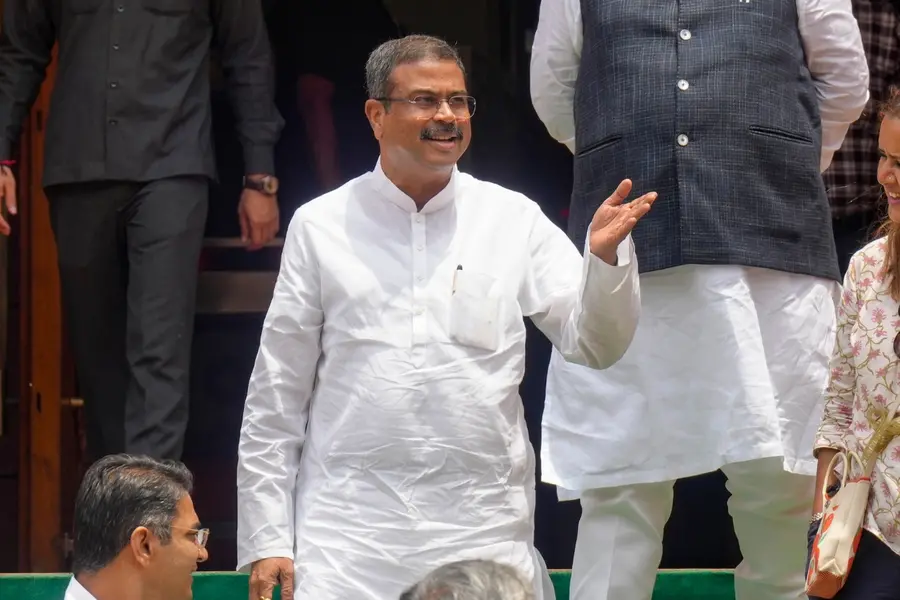
Former Union Education Minister Dharmendra Pradhan made his first appearance in Parliament after resigning from the Cabinet, calling himself a "street fighter" during a brief exchange with Congress leader Jairam Ramesh. His welcome by BJP and NDA MPs and the Opposition's reaction highlighted the continuing political debate over his resignation amid student protests over alleged exam irregularities.
New Delhi: After resigning as Union Education Minister following weeks of student protests over alleged exam irregularities, Dharmendra Pradhan made his first Parliament appearance and called himself a "street fighter" during an exchange with Congress MP Jairam Ramesh. His welcome by BJP leaders has sparked a fresh political debate.
Also Read
Dharmendra Pradhan appeared in Parliament on Monday for the first time after stepping down as Union Education Minister following weeks of student protests over alleged NEET 2026 paper leaks and examination irregularities.
As he arrived at Parliament's Makar Dwar, BJP and NDA MPs gathered to welcome him. Party leaders greeted him with slogans of "Dharmendra Pradhan zindabad" and presented him with a traditional cap and shawl.
The reception became a point of political discussion as it came just days after his resignation from the Education Ministry, which followed nationwide protests led by the Cockroach Janta Party (CJP) demanding accountability over the examination system.
'I am a street fighter': Pradhan's exchange with Jairam Ramesh
During the welcome ceremony, Congress leader Jairam Ramesh approached Pradhan and expressed sympathy over his resignation.
"It happens," Ramesh told him.
Pradhan responded, "Nothing happened," before adding, "I am a street fighter. Not an AC room activist."
The brief exchange drew attention as both ruling party and Opposition leaders continued their political arguments over the circumstances surrounding Pradhan's resignation.
Opposition questions BJP welcome
The grand welcome for Pradhan triggered criticism from Opposition parties, which questioned the message being sent after a resignation linked to student protests and allegations of exam irregularities.
Opposition leaders have accused the government of failing to adequately address student concerns and have continued to demand accountability over the handling of the paper leak issue and police action during protests.
The BJP, however, has maintained that Pradhan's resignation reflected accountability and that the move was taken in response to concerns raised by students.
Political speculation over Pradhan's next role
Following his resignation, there has been speculation about Pradhan's future role within the BJP organisation or possible responsibilities in upcoming state elections.
Pradhan has previously handled election-related responsibilities for the party in several states, including Bihar, Haryana, Uttar Pradesh, Madhya Pradesh, Uttarakhand and Karnataka.
His supporters within the party have highlighted his organisational experience, while political observers have noted that his resignation could lead to changes in his role within the party.
After Pradhan stepped down, several BJP leaders publicly supported him.
Union Home Minister Amit Shah visited Pradhan's residence, while other senior leaders praised his work during his tenure as Education Minister.
The BJP leadership has argued that the resignation was linked to political accountability and the government's response to concerns raised by students.
Education row continues amid political clash
Pradhan's resignation came after weeks of protests over alleged irregularities in competitive examinations. The issue became a major political flashpoint, with Opposition parties targeting the government over examination reforms and the response to student demonstrations.
The government has since introduced changes aimed at strengthening laws against unfair practices in public examinations, including stricter penalties for paper leaks.
The controversy continues to remain a major issue in Parliament, with the government and Opposition presenting contrasting views on accountability, reforms and the handling of student protests.
Published: 27 Jul 2026, 06:04 pm IST
ABOUT THE AUTHOR
Related Topics
Disclaimer: Kindly avoid objectionable, derogatory, unlawful and lewd comments, while responding to reports. Such comments are punishable under cyber laws. Please keep away from personal attacks. The opinions expressed here are the personal opinions of readers and not that of Mathrubhumi.