

Once public figures do respond, every word is dissected. Increasingly, it isn't enough that they speak. What matters is whether they say exactly what people expect them to say
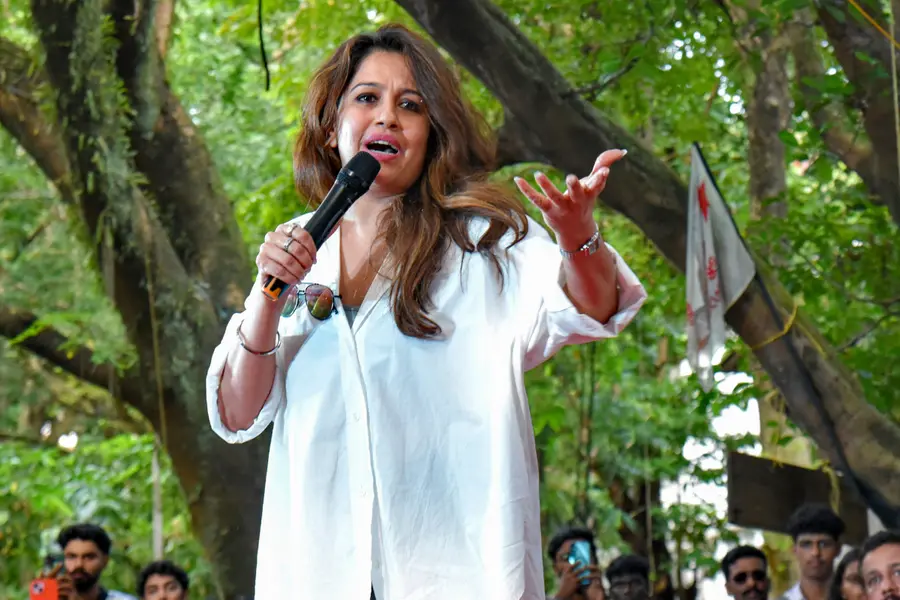
In the age of social media, celebrities are expected to do more than entertain. They are expected to constantly reassure the public of their politics, their values and their conscience—and even that is often not enough.
In the last few days, a familiar pattern has played out on social media. As protests gathered momentum across the country, a parallel protest unfolded online—against the celebrities who chose to remain silent. And when some eventually broke that silence with carefully worded statements, those too came under scrutiny. From Sonam Wangchuk's fast to the NEET protests, timelines have been flooded not just with calls for justice but with demands that public figures reveal where they stand.
The expectation itself isn't new. What has changed is its intensity. Once public figures do respond, every word is dissected. Increasingly, it isn't enough that they speak. What matters is whether they say exactly what people expect them to say. When Dulquer Salmaan put out a statement, some dismissed it as a carefully timed PR exercise ahead of his film release. Mammootty's post, though direct, was criticised by some for arriving too late. Jyothika, on the other hand, won praise for her blunt criticism of the government despite speaking only later. Suddenly, it wasn't just their performances or filmographies under scrutiny. They were being judged on the scale of social responsibility. One perceived misstep, and calls to boycott their films or unfollow them on social media followed.
The same public that can turn against a celebrity can also redeem them overnight. When Ranjini Haridas joined the protests, many who had once dismissed her for living life on her own terms suddenly celebrated her. Makeup artist and trans woman Jaanmoni, who had long been the butt of social media jokes, was hailed as a hero for turning up at Jantar Mantar. There seemed to be very little space for anything in between. Public figures were either condemned or celebrated, often overnight. Running through it all was an unspoken message: we made you who you are; now you owe us your voice.
Take the Pearle Maaney controversy. She put out a carefully worded solidarity post in which she urged the protesting students to "go back home if your life is in danger because no cause is worth losing a life over." It was a cautious statement, perhaps even an attempt to offend no one. But that very caution became the focal point of criticism. Many felt she had reduced a political protest to a question of personal safety.
That could have been the end of it. Instead, filmmaker Joe Malayil responded with a lengthy critique. Criticism, of course, is not the problem. Public figures invite scrutiny, and rightly so. But criticism loses some of its force when it slips into mockery and condescension. At times, the tone seemed more intent on belittling Pearle than engaging with her argument.
Pearle, in turn, took the bait. Calling him a "failed filmmaker" and asserting "I am the Pearle Maaney", she transformed what had begun as a debate into a personal duel. Once that happened, the students all but disappeared from the conversation. The controversy was no longer about the protest. It had become about wounded egos, public image and competing narratives. Then came another twist. Joe pointed out that many had interpreted Pearle's "failed filmmaker" remark as referring to his father, director Sibi Malayil, rather than to him. Whether that misunderstanding was inevitable or not, the effect was the same: the conversation took another turn, moving even further away from the students and the issue that had started it all.
The Pearle Maaney episode revealed how rarely social media allows a conversation to remain about the issue for long. The moment Pearle responded, the focus shifted from the students to her. That is how these debates often unfold now. One response leads to another. Clarifications become controversies of their own. Before long, people are no longer arguing about the original issue but about the people involved.
Perhaps this also explains why so many celebrities hesitate before speaking. They know that once they speak, the conversation is no longer just about the cause. It is about them—their politics, their intentions, their sincerity, even the choice of every single word.
Social media has undoubtedly made public figures more answerable than ever before, and that is not necessarily a bad thing. But it has also changed the nature of public debate. Today, every public statement is expected to reflect the right politics, strike the right tone and use the right words. And the moment it doesn't, the conversation shifts.
Perhaps that is the irony of our times. We begin by talking about justice. Before long, we are talking about the people talking about justice.
Published: 27 Jul 2026, 02:49 pm IST
ABOUT THE AUTHOR
Related Topics
Disclaimer: Kindly avoid objectionable, derogatory, unlawful and lewd comments, while responding to reports. Such comments are punishable under cyber laws. Please keep away from personal attacks. The opinions expressed here are the personal opinions of readers and not that of Mathrubhumi.