
A major leak suggests that Apple is preparing an unusually busy 2027, with a new iPhone Air scheduled for March and a high-end 20th-anniversary iPhone planned for September.
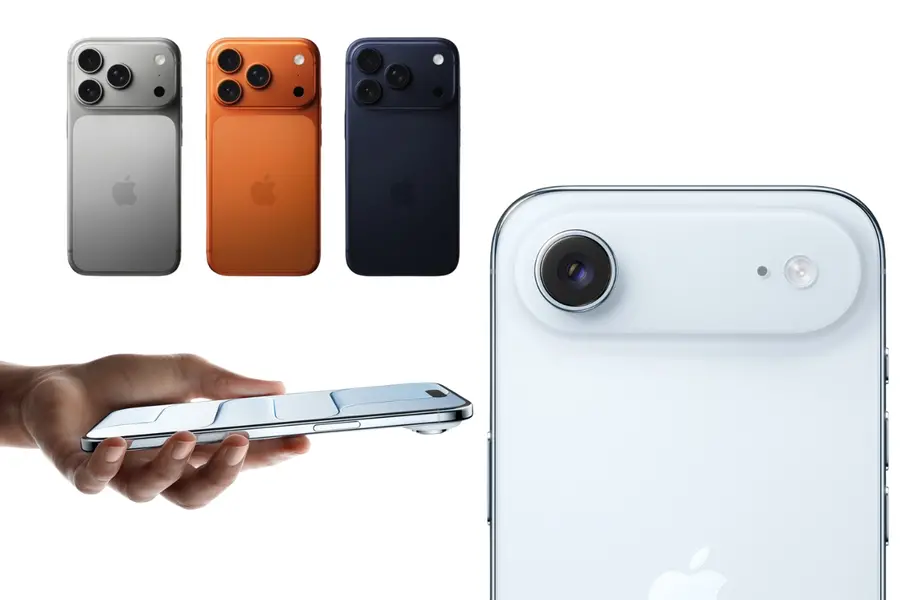
Apple is reportedly preparing to change its long-established product release calendar in 2027, moving to a two-phase launch system instead of relying solely on its traditional September window.
According to a Bloomberg report, the company plans to debut the second-generation iPhone Air in March 2027, followed by a high-end 20th-anniversary iPhone in September 2027. The shift marks one of the most significant adjustments to Apple’s product planning in over a decade.
Also Read

Why Apple Is Changing Its Release Cycle
Apple’s autumn event has become increasingly congested, placing intense pressure on engineering, hardware design, software teams and suppliers. Several major product lines — iPhone, Apple Watch, iPad and AirPods — have traditionally launched within weeks of each other.
Key reasons behind the strategic shift include:
- Compressed development timelines, with internal teams facing tighter deadlines every year.
- Supplier readiness issues, particularly around advanced chips and display technologies.
- Past scheduling disruptions, such as delays to iOS 5 and iCloud that pushed the iPhone 4S launch into October 2011.
- Growing software complexity, highlighted by Apple Intelligence experiencing schedule pressures in 2024.
- The revised approach aims to distribute workload across the year while improving product stability and reducing last-minute engineering bottlenecks.
March 2027: Second-Generation iPhone Air
The iPhone Air will reportedly lead Apple’s 2027 hardware cycle. Originally introduced as a slimmer, more experimental version of the iPhone, the first-generation Air received criticism for its battery endurance and thermal behaviour. The 2027 model is expected to address these concerns.
Expected Features
- 2-nanometre chipset
Intended to improve energy efficiency and battery longevity significantly.
Design-centric and lightweight construction
Continuing the Air’s role as a slimmer, more portable alternative to the flagship iPhones.
- Technology testbed role
The Air is expected to experiment with materials and internal layouts that could feed into the foldable iPhone lineup launching in 2026.
- Camera configuration
Rumours of a dual-camera shift remain speculative.
Internal discussions reportedly suggest the change is not confirmed due to structural constraints and low usage of ultrawide lenses among iPhone customers.
- September 2027: 20th-Anniversary iPhone
The centrepiece of Apple’s September 2027 event will reportedly be a special anniversary model marking 20 years since the original iPhone’s launch in 2007.
Expected Features Under Development
- Curved glass body
A new design direction that would differentiate the anniversary edition from standard iPhone models.
- Slimmer bezels and frame
Further minimising visible hardware for a more seamless look.
- Under-display front camera
Allowing the front screen to appear uninterrupted without a notch or Dynamic Island.
The anniversary model is part of a multi-year hardware transition that includes the foldable iPhone expected in 2026.
Apple’s Broader 2027 Strategy
Bloomberg’s reporting suggests 2027 could become one of Apple’s busiest product years in recent memory.
- Strategic Outcomes Expected
- Smoother development cycles
By splitting releases between March and September, Apple expects to avoid bottlenecks associated with its autumn-heavy approach.
Improved year-round market presence
Creating fewer months without major announcements enhances competitiveness, especially against Samsung, which spreads major launches across the calendar.
Structural shift in long-term planning
If executed, the new cycle would represent a transition on the scale of Apple’s move to OLED displays or the introduction of the Dynamic Island.
Published: 17 Nov 2025, 05:34 pm IST
Related Topics
Disclaimer: Kindly avoid objectionable, derogatory, unlawful and lewd comments, while responding to reports. Such comments are punishable under cyber laws. Please keep away from personal attacks. The opinions expressed here are the personal opinions of readers and not that of Mathrubhumi.