
This move aims to boost competition, especially against Chinese brands, and create steadier revenue throughout the year.
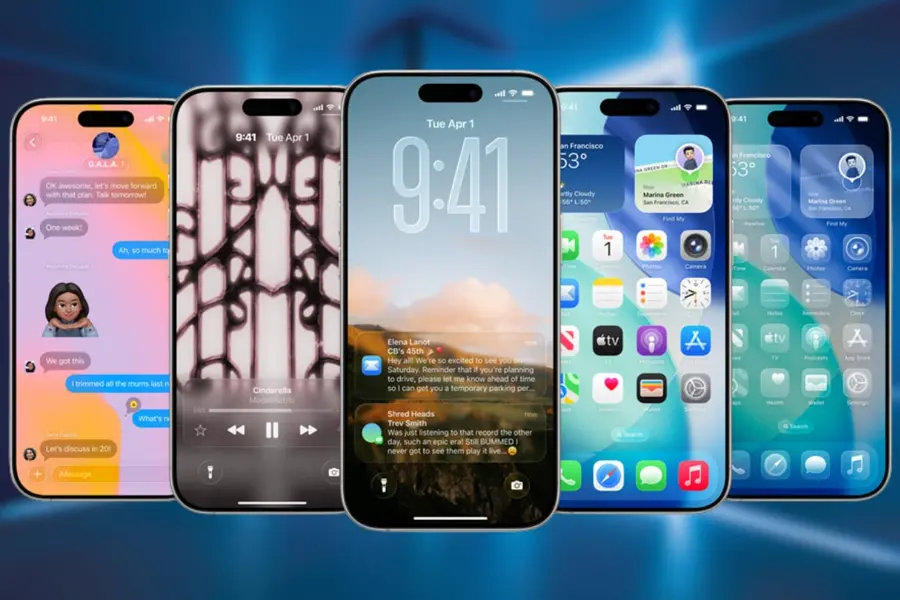
Apple is set to transform its iPhone release strategy starting in 2026, shifting from its longstanding annual fall launch to a bi-annual release schedule. This change involves unveiling premium models, including the iPhone 18 Pro, iPhone 18 Pro Max, and Apple's first foldable iPhone in September 2026, followed by more affordable models like the base iPhone 18 and iPhone 18e in spring 2027. This overhaul aims to address competitive pressures, especially from Chinese manufacturers, and smooth out Apple's revenue cycles, which currently rely heavily on the fall launch period.
Major Shift in Release Strategy
Apple's traditional single annual iPhone launch in September will be replaced by two distinct release events starting from 2026. The initial fall event will focus on high-end devices, followed by a spring event featuring budget-friendly and base models. The introduction of a foldable iPhone alongside the premium 2026 lineup highlights Apple's intent to innovate and capture new market segments. This bi-annual approach marks the most marked change in the company's product launch cadence in over a decade.
Competition Drives the Change
The move comes amid intensified competition, particularly from Chinese smartphone makers like Huawei and Xiaomi, who frequently release flagship devices throughout the year. Analysts like Ming-Chi Kuo note that Apple's traditional single annual release created a “marketing gap” during the first half of the year when competitors were actively promoting new devices. By dividing its launches, Apple aims to maintain consumer interest year-round and better compete on the global stage.
Impact on Apple's Revenue Model
Currently, iPhone sales contribute roughly 50-55% of Apple’s overall revenue and are concentrated around the fall release cycle, creating major spikes in sales. Introducing a spring release aims to distribute sales more evenly across the fiscal year, preserving sustained revenue flow and reducing dependency on the fall quarter. The upcoming iPhone 17 lineup later this year will represent the last under the classic unified release before the new dual-release strategy takes hold.
Future Outlook and Naming Changes
Reports suggest Apple may also rebrand future models to align with this new approach, potentially skipping the iPhone 19 and launching the iPhone 20 series in 2027 to coincide with the 20th anniversary of the original iPhone. The company's planned releases in 2027 may include a mix of models released in both the first and second halves of the year, including successors to the foldable iPhone and other premium variants.
Published: 16 Nov 2025, 09:58 pm IST
Related Topics
Disclaimer: Kindly avoid objectionable, derogatory, unlawful and lewd comments, while responding to reports. Such comments are punishable under cyber laws. Please keep away from personal attacks. The opinions expressed here are the personal opinions of readers and not that of Mathrubhumi.
