
Gemini 3.0 boasts advanced features like Deep Think architecture for complex reasoning, superior code generation, and enhanced multimodal capabilities.
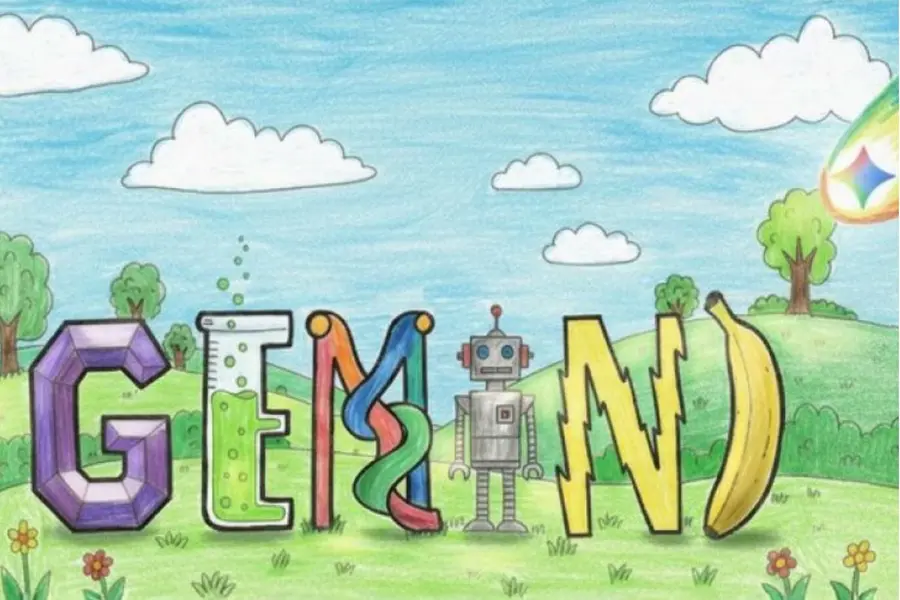
Google CEO Sundar Pichai recently ignited widespread anticipation with a cryptic thinking emoji post on X, signalling that the launch of Gemini 3.0, Google's next-generation AI model, is just days away. The gesture sent ripples through the AI community, suggesting that the company is ready to unveil a model poised to challenge rivals like OpenAI. Gemini 3.0 promises to elevate Google's AI capabilities, potentially reshaping the competitive landscape.
A Pivotal Moment in the AI Race
The timing of Gemini 3.0’s launch is crucial. Following OpenAI’s release of ChatGPT 5 in August 2025—which faced criticism for rollout issues—Google is aiming to reclaim technological leadership. Sundar Pichai acknowledged that OpenAI’s early advancements pushed Google into a "code red" mode, accelerating years of AI development. Leveraging its "full-stack advantage," Google integrates AI with its cloud infrastructure and product ecosystem, maintaining strong growth momentum in user adoption.
What's at Stake for Google
Gemini 3.0 introduces advanced features, including the Deep Think architecture for complex reasoning, enhanced code generation (capable of producing over 2,000 lines of functional code rapidly), and expanded multimodal functionalities across text, image, and video generation. Available in Pro and Flash variants, its release is expected before the end of 2025, with Sundar Pichai confirming the timeline during Google's third-quarter earnings call. Beyond technological prestige, a successful launch would validate Google's extensive investments in cloud infrastructure, custom AI chips, and global research talent, while also bolstering brand perception in an AI market where ChatGPT remains dominant.
Expected Launch Timeline
Though an exact date remains unannounced, multiple sources point to a release window between mid-November and early December 2025, with some speculation focusing on November 18. Early access will likely be granted to enterprise customers integrating the model with Google Workspace and Cloud for real-world testing before a public rollout. This strategic timing aligns with Google's historical product launch patterns and its recent infrastructure expansions catering to AI workloads.
Published: 16 Nov 2025, 09:33 pm IST
Related Topics
Disclaimer: Kindly avoid objectionable, derogatory, unlawful and lewd comments, while responding to reports. Such comments are punishable under cyber laws. Please keep away from personal attacks. The opinions expressed here are the personal opinions of readers and not that of Mathrubhumi.
