
The United States is increasingly viewing Cuba as a growing regional security concern after intelligence reports claimed Havana acquired more than 300 military drones from Russia and Iran and discussed possible strike scenarios involving American targets.
Washington DC: The United States is closely monitoring Cuba after intelligence reports claimed Havana acquired more than 300 military drones from Russia and Iran and discussed possible strike scenarios involving American targets, including the Guantanamo Bay naval base and Key West in Florida.
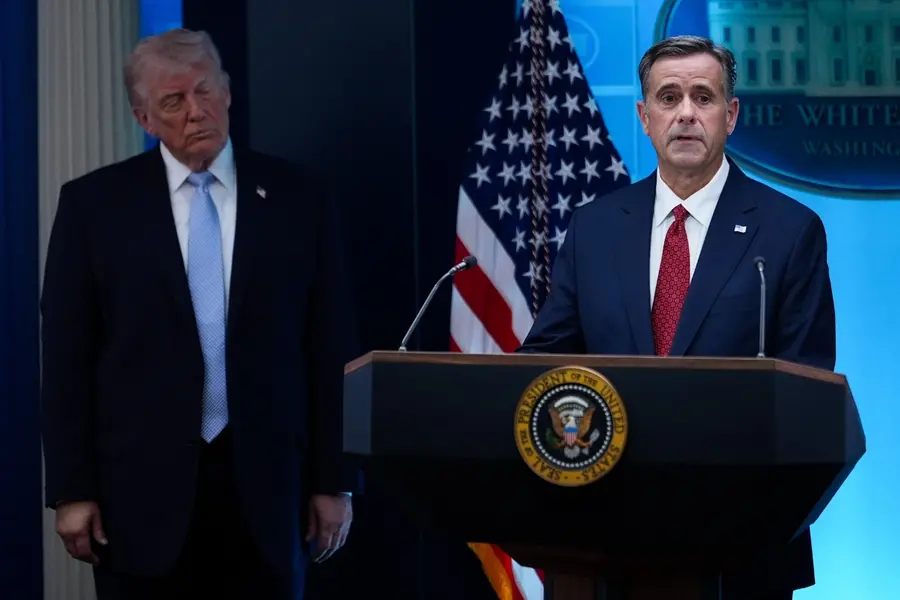
The developments have raised fresh security concerns in Washington amid growing military ties between Cuba, Iran, and Russia, prompting a high-level visit by CIA director John Ratcliffe to Cuba.
Also Read

What triggered the US concern?
According to intelligence cited in reports by Axios and other international outlets, Cuba has reportedly acquired more than 300 military drones from Russia and Iran since 2023.
US officials are said to be concerned about the proximity of such military technology to American territory, especially given Cuba’s location just 90 miles from Florida.
The reports claimed Cuban authorities had internally discussed contingency scenarios involving possible strikes on:
- The US naval base at Guantanamo Bay
- American naval vessels
- Key West in Florida
US officials stressed there is no evidence of an imminent attack plan, but described the developments as a growing strategic concern.
CIA chief John Ratcliffe visits Cuba
Amid rising tensions, CIA director John Ratcliffe reportedly travelled to Cuba to directly warn Cuban officials against any hostile action involving American interests.
A CIA official quoted in reports said Ratcliffe told Cuban authorities that:
“Cuba can no longer serve as a platform for adversaries to advance hostile agendas in our hemisphere.”
The official also stated that the “Western Hemisphere cannot be our adversaries’ playground”.
Reports further claimed Ratcliffe urged Havana to move away from what US officials described as a “totalitarian government” in order to reduce sanctions pressure.
US plans indictment against Raúl Castro
The US Justice Department is reportedly preparing to unseal an indictment against former Cuban leader Raúl Castro over the 1996 shooting down of aircraft operated by the Miami-based humanitarian organisation Brothers to the Rescue.
The move could sharply escalate tensions between Washington and Havana.
Additional sanctions against Cuba are also reportedly being considered.
Cuban foreign minister Bruno Rodríguez Parrilla dismissed the accusations and accused the US of creating a “fraudulent case” to justify sanctions and possible intervention.
Rodríguez said Cuba does not seek war and only maintains defensive preparedness under its right to self-defence recognised by the United Nations Charter.
Cuba’s embassy also defended the country’s right to protect itself from external threats, although reports said officials did not directly deny the possession of military drones.
Russia and Iran ties raise concerns
US intelligence assessments reportedly linked Cuba’s military buildup to growing ties with Russia and Iran.
Officials alleged that Havana has been studying Iran’s military strategies and drone warfare tactics, particularly after recent Middle East conflicts involving Iranian drones.
Reports also claimed that thousands of Cuban soldiers may have fought alongside Russian forces in Ukraine, potentially gaining operational experience in drone warfare before returning to Cuba.
American officials believe Russia and China also continue to operate intelligence-gathering facilities on the island.
Is this another Cuban Missile Crisis?
Despite the growing concerns, US officials reportedly said the situation is not comparable to the 1962 Cuban Missile Crisis.
One senior official reportedly stated: “No one’s worried about fighter jets from Cuba.”
However, officials emphasised that the island’s close proximity to the United States makes the situation strategically sensitive.
Published: 18 May 2026, 10:09 am IST
Related Topics
Disclaimer: Kindly avoid objectionable, derogatory, unlawful and lewd comments, while responding to reports. Such comments are punishable under cyber laws. Please keep away from personal attacks. The opinions expressed here are the personal opinions of readers and not that of Mathrubhumi.