
The Strait of Hormuz, through which roughly one-fifth of the world's traded oil and natural gas previously passed, has seen shipping severely disrupted during the conflict
Cairo: Iran said Wednesday that an agreement with Oman over the Strait of Hormuz is in the "final stage" of drafting, while U.S. President Donald Trump said a breakthrough could be announced within days, raising hopes of reopening one of the world's most important shipping lanes.
Any agreement, however, still faces significant hurdles, with Tehran seeking continued influence over the strategic waterway and the United States opposing any arrangement that gives Iran control or allows it to levy transit fees.
Iranian Foreign Ministry spokesperson Esmail Baghaei said the draft agreement was nearing completion.
"The agreement with Oman is in the 'final stage' of drafting," Baghaei said, adding that a joint statement would be issued "if certain parties do not obstruct this process."
Two regional officials familiar with the negotiations told The Associated Press that Iranian and Omani negotiators have finalised a draft agreement and are awaiting approval from Iran's Supreme Leader Ayatollah Mojtaba Khamenei. The officials, speaking on condition of anonymity because of the sensitivity of the talks, described the proposal as a temporary arrangement that could pave the way for renewed U.S.-Iran nuclear negotiations.
The proposed deal follows a June understanding between Washington and Tehran that sought to end fighting and reopen the waterway but ultimately collapsed.
Earlier discussions envisioned ships entering the Persian Gulf through an Iranian-controlled route and exiting via an Omani-controlled channel, with security and environmental service fees charged to vessels. Washington has repeatedly rejected any agreement allowing Iran to collect such fees.
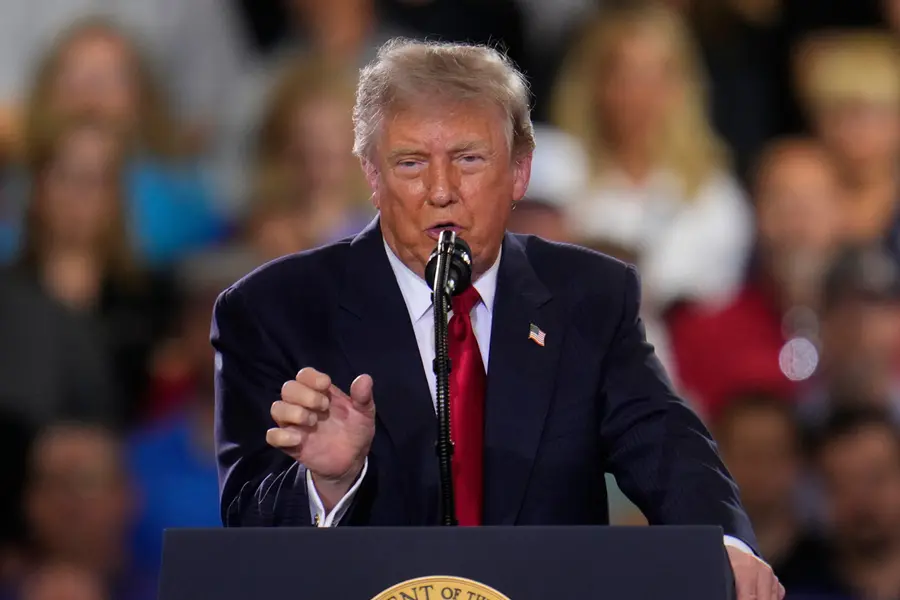
Asked about reports that an announcement could come this week, Trump said:
"It could happen. Tomorrow or the next day. A lot of progress has been made."
Vice President JD Vance acknowledged the negotiations remained difficult.
"It's going to take some time."
He described efforts to end the conflict as "messy" and said negotiations sometimes require moving backward before moving forward. Vance also said the Iranians are "extraordinarily difficult people."
The Strait of Hormuz, through which roughly one-fifth of the world's traded oil and natural gas previously passed, has seen shipping severely disrupted during the conflict, driving up energy prices and increasing pressure on the global economy.
Brent crude traded around $80 a barrel on Wednesday, below the peaks reached earlier in the conflict.
Regional tensions remained high. Yemen's Iran-backed Houthi rebels claimed they fired ballistic missiles toward Saudi-linked oil tankers, while a commercial vessel in the Gulf of Aden reported a nearby explosion, according to the United Kingdom Maritime Trade Operations centre. There was no immediate Saudi confirmation.
Meanwhile, the fragile Israel-Hezbollah ceasefire came under renewed strain after Israel issued an evacuation warning for residents of southern Lebanon's Mansouri village before launching what it called "precise strikes" in response to "a blatant violation of the ceasefire."
Diplomatic talks between Lebanese and Israeli negotiators in Rome ended early following the escalation. A U.S. State Department official said discussions "were extremely productive" and could resume on Thursday.
Published: 06 Aug 2026, 06:22 am IST
ABOUT THE AUTHOR

Related Topics
Disclaimer: Kindly avoid objectionable, derogatory, unlawful and lewd comments, while responding to reports. Such comments are punishable under cyber laws. Please keep away from personal attacks. The opinions expressed here are the personal opinions of readers and not that of Mathrubhumi.