
Pakistan Interior Minister Mohsin Naqvi’s unannounced visit to Tehran has triggered fresh speculation about Islamabad’s behind-the-scenes efforts to revive stalled peace negotiations between Iran and the United States amid rising tensions across West Asia.
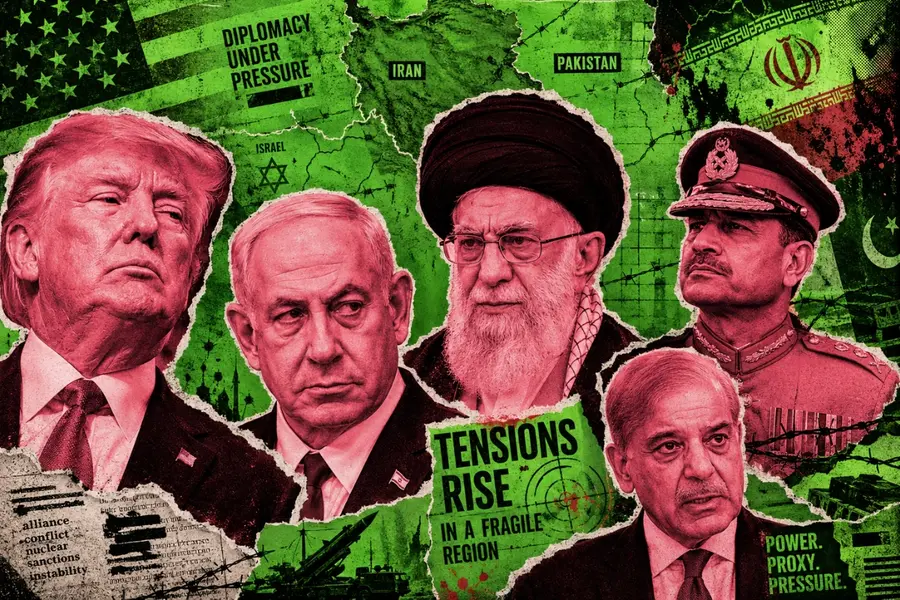
Islamabad: Pakistan Interior Minister Mohsin Naqvi made an unannounced visit to Tehran amid reports that Islamabad is quietly attempting to revive stalled peace negotiations between Iran and the United States as tensions continue across West Asia.
According to Pakistani and Iranian media reports, Naqvi’s two-day visit is being viewed as part of Pakistan’s ongoing diplomatic efforts to prevent the collapse of fragile Iran-US negotiations that have slowed in recent weeks.
Also Read

The visit comes at a highly sensitive moment, with tensions remaining elevated around the Strait of Hormuz, ongoing concerns over regional security, and continuing uncertainty surrounding Iran’s nuclear programme.
Reports link visit to Iran-US talks
Pakistan’s Dawn newspaper, citing diplomatic sources, reported that the visit followed US President Donald Trump rejecting Tehran’s latest response to American proposals during ongoing indirect negotiations.
The report claimed Pakistan has continued “shuttle diplomacy” aimed at reviving momentum in talks that had earlier shown signs of progress through backchannel mediation efforts.
Iran’s semi-official Tasnim News Agency also described the visit as part of Pakistan’s broader push to “facilitate dialogue and promote regional peace”.
While Pakistani authorities officially described the trip as focused on bilateral security and border cooperation, analysts believe the timing strongly suggests wider diplomatic objectives linked to the Iran-US standoff.
Meetings with Iranian leadership
Soon after arriving in Tehran on Saturday, Naqvi met Iranian Interior Minister Eskandar Momeni for discussions covering border security, regional developments, trade, transit cooperation, and the evolving geopolitical situation.
Iranian state media reported that both sides also discussed prospects for restarting peace negotiations between Tehran and Washington.
The visit follows earlier high-level diplomatic engagement between Pakistan and Iran after Pakistan reportedly helped mediate a fragile ceasefire linked to recent regional hostilities.
Naqvi’s visit also came shortly after a closely watched meeting in Beijing between Donald Trump and Chinese President Xi Jinping. Although expectations were high that China might encourage Tehran towards compromise, no major breakthrough emerged from the talks.
Trump later suggested that Washington could consider a long-term suspension of Iran’s nuclear activities instead of demanding a permanent shutdown, signalling limited flexibility in negotiations. However, he also criticised Iran’s latest proposals and accused Tehran of stepping back from earlier understandings regarding uranium stockpiles.
Analysts say the current situation reflects a prolonged phase of simultaneous diplomacy and pressure rather than any immediate resolution.
Regional tensions remain high
The ongoing crisis has already caused severe damage inside Iran following recent US and Israeli strikes, according to Iranian media reports.
Reports cited by Pakistani media claimed that more than 1,200 people were killed and thousands injured during attacks linked to the conflict. Iranian authorities also reported extensive damage to homes, vehicles, and infrastructure. The wider crisis has disrupted energy shipping routes and intensified global concerns over oil markets and regional stability, particularly around the strategically important Strait of Hormuz.
Pakistan has increasingly positioned itself as a regional mediator amid growing instability in West Asia. Observers note that Naqvi’s close ties with Pakistan’s military leadership, including Field Marshal Asim Munir, make the visit especially significant.
Naqvi had previously accompanied Munir during a visit to Tehran last month, where Iran-US negotiations reportedly featured prominently in discussions.
Despite major hurdles and deep mistrust between Tehran and Washington, Pakistan appears determined to keep diplomatic channels open in an effort to avoid further escalation in the region.
Published: 17 May 2026, 12:53 pm IST
Related Topics
Disclaimer: Kindly avoid objectionable, derogatory, unlawful and lewd comments, while responding to reports. Such comments are punishable under cyber laws. Please keep away from personal attacks. The opinions expressed here are the personal opinions of readers and not that of Mathrubhumi.