
US airports are experiencing a rise in flight cancellations and delays, disrupting travel plans for thousands of passengers across key domestic and international routes.
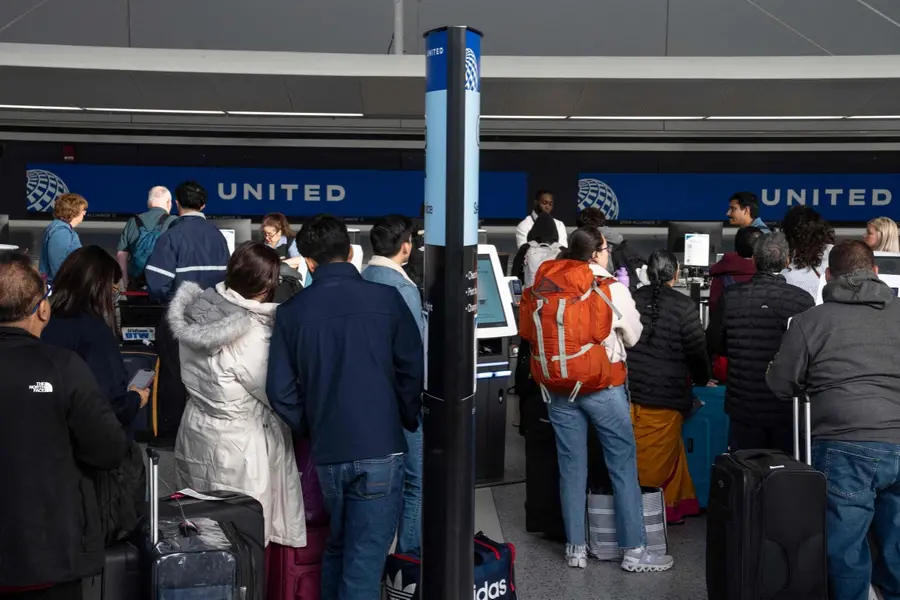
Washington DC: US airports are facing a growing wave of flight cancellations and delays, disrupting travel plans for thousands of passengers across major domestic and international routes. Airlines including leading US carriers are working to manage the situation as operational pressures, weather conditions and air traffic congestion continue to affect schedules nationwide.
Flights connecting major US hubs such as Atlanta, Dallas, New York, Orlando and Chicago were among those impacted. The disruptions created a ripple effect across the national network, with passengers facing missed connections and rescheduled departures.
Also Read

Why are such disruptions happening?
Flight delays and cancellations at US airports are often linked to a combination of factors. These typically include weather conditions, air traffic congestion, staffing shortages and broader pressures on the national aviation system managed by the Federal Aviation Administration (FAA).
Even a single disruption at one airport can quickly spread across multiple routes due to the interconnected nature of airline schedules.
Travellers at Jacksonville faced long waiting times, frequent schedule changes and uncertainty over rebooking options. Many passengers reported difficulty in securing alternative flights, especially during peak travel hours.
Airlines are generally managing such situations by rebooking affected passengers and adjusting flight schedules where possible.
The incident highlights ongoing strain within the US aviation network, where rising passenger demand and operational constraints continue to challenge on-time performance.
While delays are not unusual, such multi-airline disruptions underline how quickly local issues can escalate into wider national travel delays.
Published: 03 May 2026, 09:12 am IST
Disclaimer: Kindly avoid objectionable, derogatory, unlawful and lewd comments, while responding to reports. Such comments are punishable under cyber laws. Please keep away from personal attacks. The opinions expressed here are the personal opinions of readers and not that of Mathrubhumi.