
Following major midterm election losses, President Donald Trump shared a resolute message online while addressing the impact of rising fuel costs and the Iran conflict on voter support.
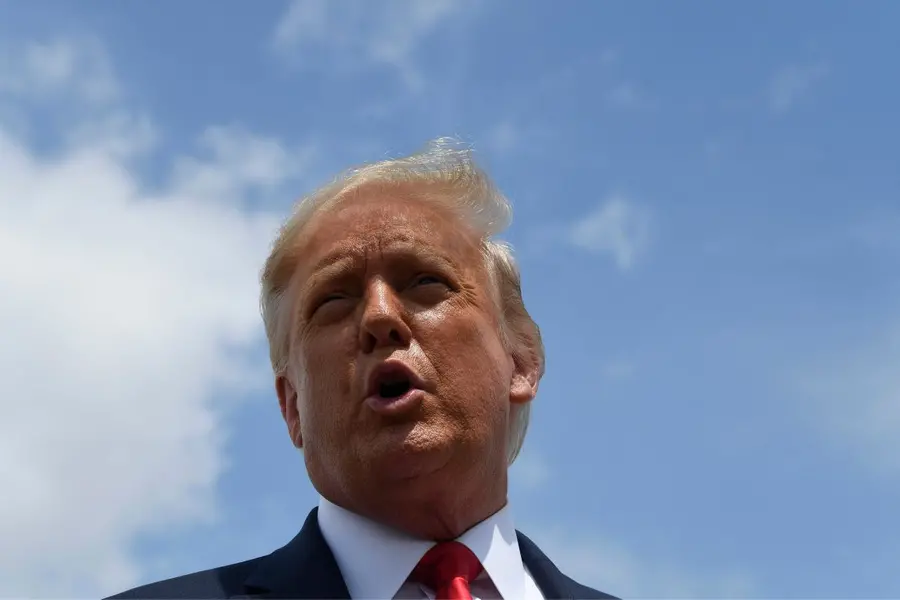
Washington DC: Following a challenging outcome for the Republican Party in the 2026 US midterm elections, the White House released a picture on X featuring US President Donald Trump paired with the caption “NEVER SURRENDER.”
The social media update follows substantial Democratic gains, with major US news networks projecting that the party will secure majorities in both the House of Representatives and the Senate. The political shift comes as the current administration faces intense debate surrounding its foreign policy, specifically the ongoing military conflict with Iran.
Speaking on Wednesday, President Trump conceded that the campaign in Iran played a role in the party's electoral performance, endorsing Vice President JD Vance's analysis of how the war influenced voter behaviour.
When asked by reporters about Vance's comments regarding the electoral setback, Trump described the evaluation as “largely true”, while continuing to argue that the operations were essential to stop Iran from obtaining nuclear capability.
“Well, I think it's largely true because it drove the gasoline up a little bit short-term, and probably that's uh probably it's true. But at the same time, if I had it to do again, I'd have to do it again because long-term, it's the only answer. You can't let Iran have a nuclear weapon,” Trump said.
The US President also suggested that voter enthusiasm for his leadership did not automatically translate into votes for down-ballot Republican candidates.
“If I were on the ballot, we would have won. You saw the people—they were packed, thousands and thousands of people were there... But you couldn't just transfer that love,” he said.
Trump asserted that public dissatisfaction was driven primarily by temporary spikes in fuel prices rather than opposition to the military action itself, highlighting the eventual reopening of energy shipping routes through the Strait of Hormuz.
Vice President Vance had previously cited internal campaign polling indicating that voter concerns were heavily influenced by the conflict, broader economic inflation, the administration's 'America First' policy framework and US policy toward Israel.
ANI
Published: 05 Nov 2026, 06:31 am IST


ABOUT THE AUTHOR

Related Topics
Disclaimer: Kindly avoid objectionable, derogatory, unlawful and lewd comments, while responding to reports. Such comments are punishable under cyber laws. Please keep away from personal attacks. The opinions expressed here are the personal opinions of readers and not that of Mathrubhumi.