
The US has rejected Iran's claim of closing the Strait of Hormuz, insisting the strategic waterway remains open, shipping is flowing normally, and Tehran has no authority to block international maritime transit.
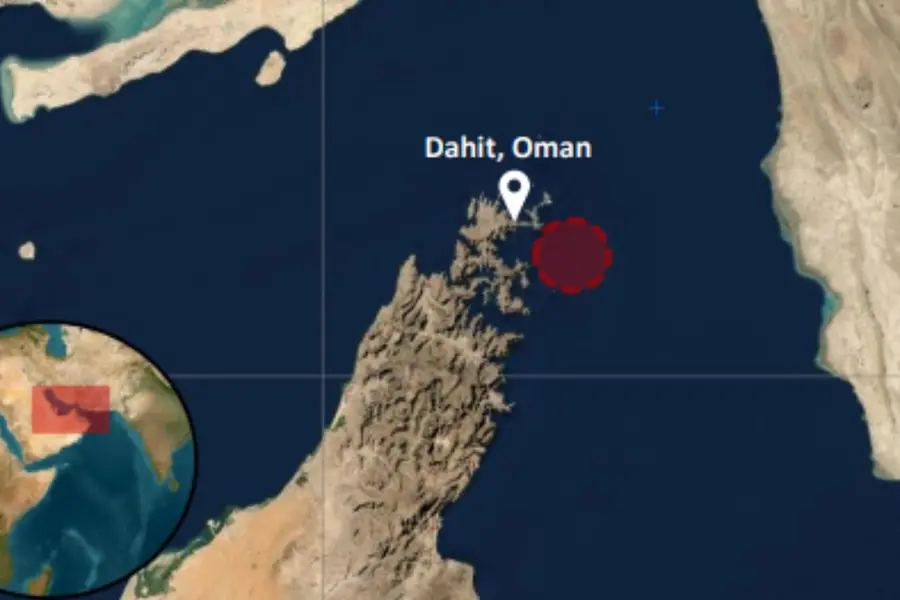
Washington: The United States has pushed back against Iran's declaration that the Strait of Hormuz has been closed, asserting that one of the world's busiest maritime trade routes remains open and that commercial shipping continues to move through the strategic waterway.
In a fresh statement, the U.S. Central Command said vessels conducting lawful transit are free to pass through the Strait of Hormuz, stressing that Iran has no authority to shut down the international shipping corridor.
"The Strait of Hormuz is open to all vessels seeking to lawfully transit the international waterway," the US said, adding that American forces remain deployed to ensure freedom of navigation despite what it described as Iranian aggression, harassment and threats.
The statement also directly challenged Tehran's claim over the waterway, saying, "Iran does not control the strait. Traffic is flowing."
To reinforce its position, the US released operational figures showing that more than 800 ships carrying over 400 million barrels of crude oil have safely transited the Strait of Hormuz with US support over the past two months. It also said more than 140 vessels crossed the strait during the last seven days, describing the passage as fully operational.
The latest US response comes after Iran announced that it was closing the Strait of Hormuz following a sharp escalation in hostilities with Washington. Iranian state media reported that the country's Revolutionary Guards had ordered the waterway closed "until further notice" and until what it called the end of American military intervention in the region.
Tehran's announcement followed another round of US strikes inside Iran, which Washington said targeted military infrastructure linked to attacks on commercial shipping. The conflict intensified after Iran launched missiles and drones toward several Gulf countries while also accusing commercial vessels in the strait of violating Iranian navigation rules.
Iran claimed it had acted against two ships that allegedly failed to follow designated transit procedures. The United States, however, accused Tehran of deliberately targeting civilian maritime traffic and attempting to disrupt one of the world's most critical energy corridors.
The Strait of Hormuz is a vital global chokepoint connecting the Persian Gulf with the Gulf of Oman and the Arabian Sea. A major share of the world's crude oil and liquefied natural gas exports passes through the narrow waterway every day, making any disruption a major concern for international energy markets and global trade.
One of the incidents that heightened tensions involved a Cyprus-flagged commercial vessel that caught fire after coming under attack in the strait. Crew members abandoned the ship, while maritime authorities reported that one Indian sailor was missing. Oman later rescued several crew members from another affected commercial vessel.
Meanwhile, US Defence Secretary Pete Hegseth defended the military response, saying Iran had made "a poor choice" and would face the consequences. The US military said its operations were aimed at reducing Iran's ability to threaten commercial shipping and civilian mariners navigating the Strait of Hormuz.
The regional conflict has also spread beyond Iranian territory. Qatar reported injuries following Iranian attacks, while Bahrain, Kuwait, Jordan and the United Arab Emirates activated air defence measures after missiles and drones were launched across the Gulf. Oman, which has long acted as a mediator between Washington and Tehran, formally protested after claiming Iranian strikes targeted facilities linked to the port of Duqm.
The worsening security situation has complicated ongoing diplomatic efforts to reduce tensions. Several countries, including Pakistan and Oman, have urged both sides to return to negotiations, warning that further disruption in the Strait of Hormuz could have serious consequences for global trade, oil supplies and regional stability.
With agency inputs
Published: 12 Jul 2026, 06:32 pm IST
Related Topics
Disclaimer: Kindly avoid objectionable, derogatory, unlawful and lewd comments, while responding to reports. Such comments are punishable under cyber laws. Please keep away from personal attacks. The opinions expressed here are the personal opinions of readers and not that of Mathrubhumi.
