
The US says it struck around 140 Iranian military targets after Iran allegedly attacked a commercial ship in the Strait of Hormuz. The latest exchange has intensified tensions and disrupted one of the world's busiest energy trade routes.
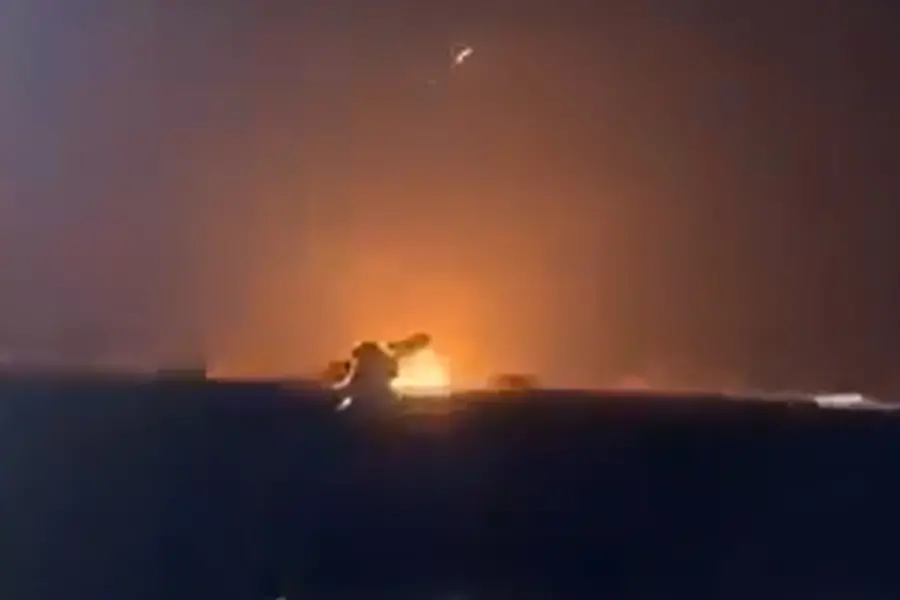
Washington DC: The US says it struck around 140 Iranian military targets after Iran allegedly attacked a commercial vessel in the Strait of Hormuz, marking another major escalation in tensions across the Gulf.
The United States launched a fresh wave of military strikes against Iran after accusing Tehran of attacking a Cyprus-flagged container ship transiting the Strait of Hormuz, according to the US Central Command (CENTCOM).
Also Read

CENTCOM said American forces began the latest operation on Saturday evening, targeting around 140 Iranian military sites. The US military said the strikes were intended to reduce Iran's ability to threaten commercial shipping and civilian vessels using the strategic waterway.
According to CENTCOM, Iran's Islamic Revolutionary Guard Corps (IRGC) attacked the container ship M/V GFS Galaxy, leaving one crew member missing and causing severe fire and engine room damage that prevented the vessel from continuing its journey.
Strait of Hormuz closed again
Iran announced the closure of the Strait of Hormuz "until further notice", saying one vessel had ignored instructions to follow an approved shipping route. Tehran warned that any further US military action would receive a "severe response".
The Strait of Hormuz is one of the world's most important maritime trade routes, carrying roughly one-fifth of global oil and liquefied natural gas shipments. Any disruption to shipping through the narrow waterway has significant implications for global energy markets.
Iran claims retaliation
The IRGC claimed it had launched ballistic missiles targeting the US-operated Prince Hassan Air Base in Jordan, alleging that it destroyed command-and-control facilities and hangars housing MQ-9 drones. These claims have not been independently verified.
Iran also accused the United States of attempting to divert commercial vessels through what it described as an unauthorised southern shipping corridor by pressuring Oman. Tehran said its naval forces responded to prevent the movement before the US launched strikes on Iranian coastal positions and communications infrastructure.
Regional tensions deepen
The latest exchange of attacks further undermines efforts to preserve an already fragile ceasefire and raises concerns over wider instability in the Middle East. Diplomatic efforts involving regional mediators continue, but disagreements over freedom of navigation in the Strait of Hormuz remain a major obstacle to any long-term agreement.
Meanwhile, Iran's leadership has reiterated that the country will continue responding to what it describes as foreign aggression, while US officials have maintained that military operations are aimed at protecting international shipping and regional security.
Published: 12 Jul 2026, 10:10 am IST
Related Topics
Disclaimer: Kindly avoid objectionable, derogatory, unlawful and lewd comments, while responding to reports. Such comments are punishable under cyber laws. Please keep away from personal attacks. The opinions expressed here are the personal opinions of readers and not that of Mathrubhumi.