
Pakistan has called for restraint after fresh US-Iran strikes escalated tensions in West Asia, warning that diplomacy is the only path to preserve the Islamabad MoU and regional stability.
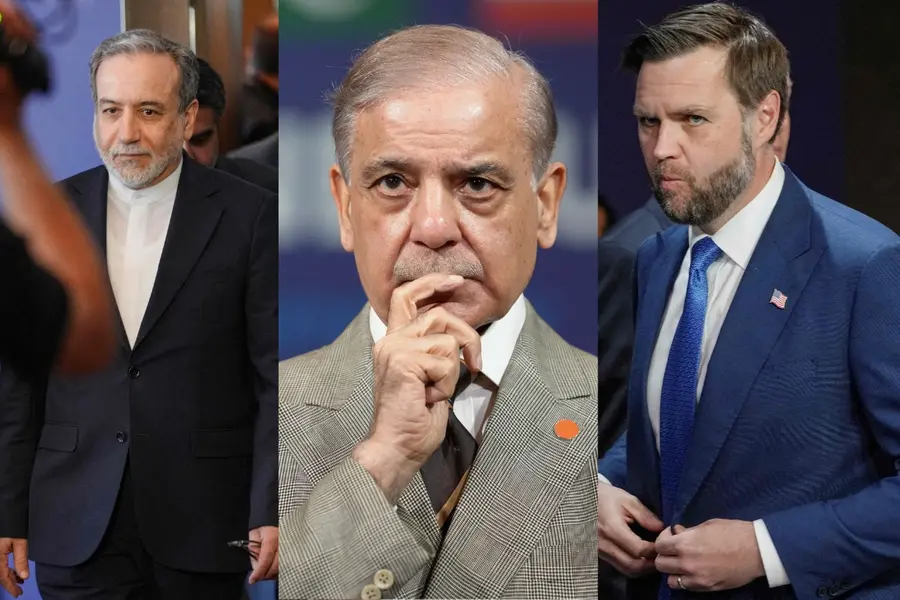
Islamabad: Pakistan has urged the United States and Iran to exercise restraint after a fresh round of military escalation in West Asia, with Islamabad calling for diplomacy to prevent the conflict from spreading further across the Gulf region.
Pakistan has appealed for immediate de-escalation between the United States and Iran after renewed military action raised fears of a broader conflict across West Asia.
Also Read

Deputy Prime Minister and Foreign Minister Ishaq Dar spoke with Iranian Foreign Minister Abbas Araghchi on Sunday, expressing concern over the deteriorating regional security situation and urging all parties to return to dialogue instead of military confrontation.
According to Pakistan's Foreign Office, both leaders reviewed the rapidly evolving developments and agreed to remain in close contact as tensions continue to rise.
Pakistan calls for restraint
During the conversation, Dar stressed that all sides should honour the commitments made under the Islamabad Memorandum of Understanding (MoU) signed in June 2026. He said restraint and de-escalation were essential to preventing a wider regional crisis.
The Pakistani foreign minister reiterated that dialogue and diplomacy remain the only viable path to resolving disputes and restoring lasting peace and stability in West Asia.
He also reaffirmed Pakistan's willingness to continue playing a constructive mediating role in any future peace efforts.
Fresh escalation in West Asia
Pakistan's appeal comes after the United States carried out another round of strikes on Iranian military targets following an Iranian attack on a commercial vessel in the Strait of Hormuz.
Iran subsequently launched missile and drone attacks targeting several Gulf countries, including Bahrain, Qatar, Kuwait and the United Arab Emirates, significantly widening the conflict.
The latest escalation has placed the fragile regional peace process under severe strain.
What is the Islamabad MoU?
The Islamabad Memorandum of Understanding, signed on 17 June 2026, is a 14-point interim peace framework brokered primarily by Pakistan between the United States and Iran.
The agreement aimed to halt military hostilities, reopen the Strait of Hormuz to international commercial shipping, ease economic restrictions on Iran and create a 60-day diplomatic window to negotiate a permanent settlement.
Key provisions included:
- Immediate cessation of military operations.
- Temporary reopening of the Strait of Hormuz.
- Gradual easing of US restrictions on Iranian oil exports.
- Plans for Iran's economic reconstruction.
- Continued diplomatic negotiations on Iran's nuclear and missile programmes.
Peace framework under pressure
The renewed exchange of military strikes now threatens the future of the Islamabad MoU, with both Washington and Tehran accusing each other of violating its commitments.
The conflict has also increased concerns over global energy security, as the Strait of Hormuz remains one of the world's most important oil and natural gas shipping routes.
Meanwhile, Iran's new Supreme Leader Mojtaba Khamenei vowed revenge for the killing of his father, Ayatollah Ali Khamenei, adding another layer of uncertainty to efforts aimed at restoring regional stability.
Pakistan has maintained that only sustained diplomatic engagement can prevent the crisis from expanding further and affecting the wider Middle East.
Published: 12 Jul 2026, 02:47 pm IST
Related Topics
Disclaimer: Kindly avoid objectionable, derogatory, unlawful and lewd comments, while responding to reports. Such comments are punishable under cyber laws. Please keep away from personal attacks. The opinions expressed here are the personal opinions of readers and not that of Mathrubhumi.