
Israeli Prime Minister Benjamin Netanyahu has warned Iran that any future attack on Israel will be met with force, even as Iran announced it was halting offensive operations and US President Donald Trump claimed both sides were seeking an immediate ceasefire.
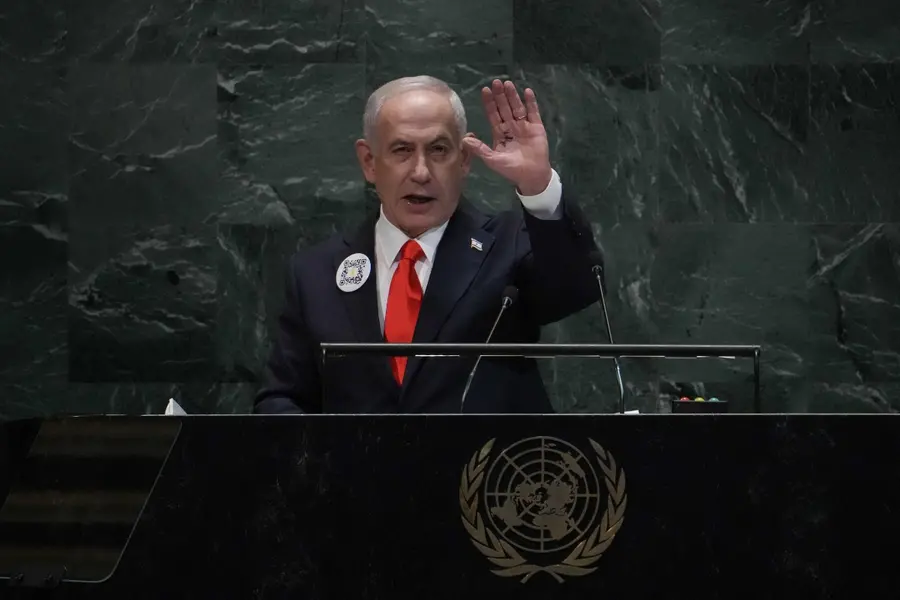
Jerusalem: The fragile ceasefire between Israel and Iran faced a fresh test on Monday after both countries exchanged direct strikes for the first time in two months.
Hours later, Iran's military announced it was suspending offensive operations, while Israeli Prime Minister Benjamin Netanyahu said Israel would respond "with force" if Tehran launched any new attacks. "Israel has full right to self-defense, and we will exercise it to the full extent necessary” he said.
Also Read

In a video statement, Netanyahu said Israel had struck what he described as the "terror regime" in Tehran and claimed the current round of fighting had ended. However, he warned that any renewed Iranian attack would trigger a strong Israeli response. He also stressed that Israel would continue military operations against Hezbollah in Lebanon, arguing that Israel retained the right to defend itself.
"At this moment, the fire on that front is contained -- after we struck the terror regime in Tehran, it stopped attacking us," Netanyahu said in a televised statement.
The latest escalation came after Israel carried out strikes in Beirut's southern suburbs, an action that triggered Iranian retaliation. Iran subsequently launched attacks on Israel, leading to another round of Israeli strikes inside Iranian territory. The exchange raised fears that the region could slide back into a wider war despite months of diplomatic efforts.
Iran's military headquarters later announced that offensive operations were being halted. At the same time, Iranian officials warned that any further Israeli attacks would be met with a much harsher response. Tehran also accused the United States of backing Israeli military actions and contributing to the escalation.
US President Donald Trump publicly urged both sides to stop fighting and said negotiations for an immediate ceasefire and a broader peace agreement were continuing. Trump stated that both Israel and Iran were seeking an "immediate ceasefire" but cautioned that "ignorance or stupidity" could derail the process. He also indicated that existing US pressure measures against Iran would remain in place until a final agreement was reached.
The conflict, which has now crossed the 100-day mark, has had significant consequences beyond the battlefield. It has disrupted global energy markets, pushed up fuel prices and intensified concerns over the security of major shipping routes, particularly the Strait of Hormuz. The waterway remains strategically important because a large share of the world's oil and gas supplies passes through it.
The latest exchange also highlighted broader regional risks. Yemen's Houthi rebels claimed attacks linked to the conflict and warned that vessels associated with Israel could again become targets in the Red Sea. Regional powers including Saudi Arabia, Egypt, Turkey, Pakistan and Qatar have reportedly pushed for diplomatic efforts to prevent further escalation.
The renewed violence has also reignited debate over the origins of the latest flare-up. Israel maintains that its actions are defensive and aimed at countering threats from Iran and its allies. However, critics point out that the recent cycle of escalation was triggered after Israeli strikes in Beirut and later inside Iran, arguing that such actions risk undermining ceasefire efforts and making a long-term peace settlement more difficult.
India has expressed concern over the renewed hostilities and called for immediate de-escalation. New Delhi urged all parties to avoid harming civilians and to pursue a diplomatic solution, warning that the prolonged conflict has already caused immense human suffering and affected the global economy.
(With AFP inputs)
Published: 08 Jun 2026, 09:43 pm IST
Disclaimer: Kindly avoid objectionable, derogatory, unlawful and lewd comments, while responding to reports. Such comments are punishable under cyber laws. Please keep away from personal attacks. The opinions expressed here are the personal opinions of readers and not that of Mathrubhumi.