
The UAE has accused Iran of an “act of piracy” after an ADNOC-linked vessel was targeted in the Strait of Hormuz. ADNOC says 15 vessels have been attacked since the conflict began.
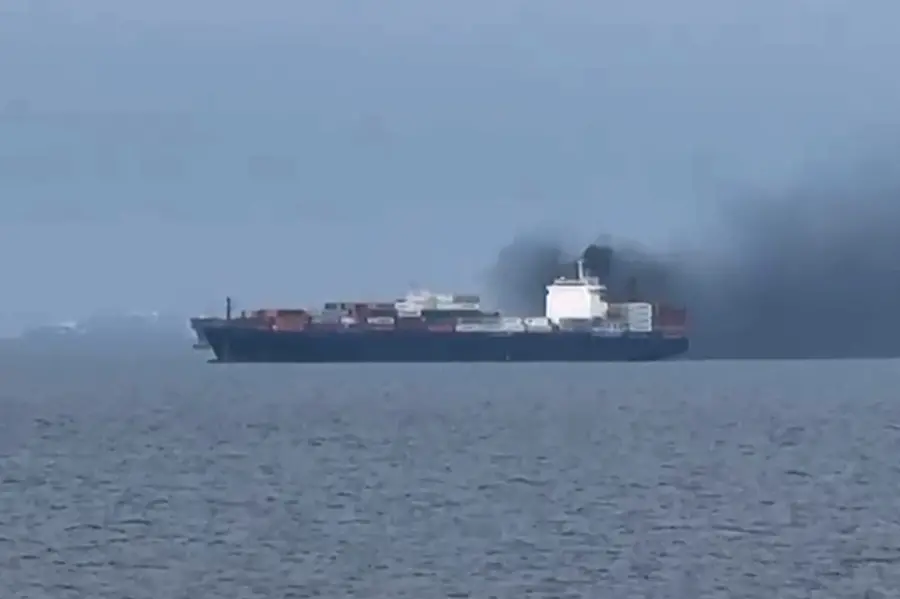
Dubai: The United Arab Emirates has condemned what it described as an Iranian missile attack on a vessel linked to Abu Dhabi National Oil Company (ADNOC) while it was transiting the Strait of Hormuz.
The UAE Foreign Ministry called the incident a “hostile Iranian attack” and accused Iran’s Islamic Revolutionary Guard Corps of targeting commercial shipping in the strategic waterway. No injuries were reported in the latest incident, while the identity of the vessel, its cargo and the extent of any damage were not immediately disclosed.
Also Read

The UAE described the attacks as “acts of piracy” and said the targeting of commercial vessels violated principles of freedom of navigation. It called on Iran to stop such attacks and reopen the Strait of Hormuz fully and unconditionally.
Saudi Arabia condemns Iranian attack on UAE tanker, calling it an 'assault on the security and safety of maritime navigation’
ADNOC says 15 vessels have been targeted
ADNOC said its operations have been significantly affected by attacks on its personnel and assets since the conflict began.
The company said 15 of its vessels had been targeted by missiles and drones while transiting the Strait of Hormuz, including three during the week leading up to the latest statement.
According to ADNOC, the attacks have killed one crew member and injured 20 others.
The latest attack therefore comes amid a wider pattern of maritime incidents involving vessels linked to the UAE energy company.
Why the Strait of Hormuz matters
The Strait of Hormuz is a crucial energy corridor connecting the Persian Gulf with the Gulf of Oman and the wider Arabian Sea.
A significant share of global oil and liquefied natural gas shipments normally passes through the narrow waterway, making any prolonged disruption a major concern for energy markets and international shipping.
Since the conflict began, commercial traffic through the strait has fallen sharply as shipping companies face growing security risks and uncertainty over safe passage.
UAE-Iran tensions over shipping
The UAE's latest statement adds to tensions between Abu Dhabi and Tehran over the status and security of commercial shipping through the strait.
Iran's Revolutionary Guards have previously warned vessels against passing through the waterway without complying with Iranian directives. Tehran has also used control over shipping access as a strategic pressure point during the conflict.
The UAE, however, maintains that commercial vessels must be able to use the international maritime route freely.
The latest incident comes as diplomatic efforts involving Iran and Oman have sought to address the future of shipping through the Strait of Hormuz. The outcome of those discussions could have wider implications for global energy supplies and maritime trade.
What happens next?
The immediate focus is likely to remain on the security of commercial vessels and whether attacks continue.
For the UAE and other Gulf states, repeated targeting of oil and commercial shipping raises concerns over the safety of crews, energy exports and the stability of one of the world's most important maritime corridors.
The latest confrontation also adds pressure to efforts to restore regular shipping through the Strait of Hormuz, with any further disruption carrying potential consequences for global energy markets and freight costs.
Published: 08 Aug 2026, 07:07 pm IST
ABOUT THE AUTHOR
Disclaimer: Kindly avoid objectionable, derogatory, unlawful and lewd comments, while responding to reports. Such comments are punishable under cyber laws. Please keep away from personal attacks. The opinions expressed here are the personal opinions of readers and not that of Mathrubhumi.