
Even regions in northern Spain, which are usually spared such extreme weather, have seen temperatures rise above 40°C.
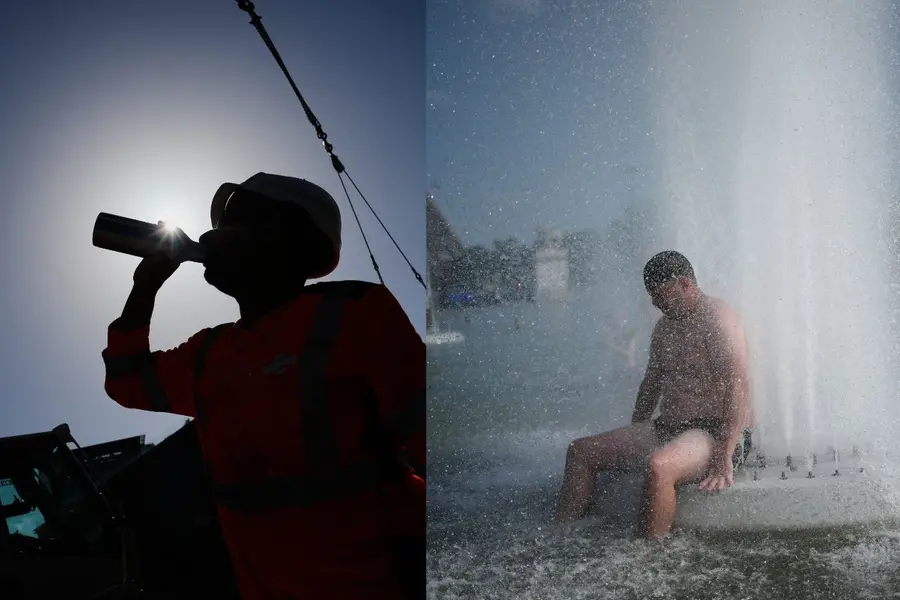
Europe is currently trapped in a record-breaking heatwave that is proving more punishing than the weather in parts of Africa. From Paris to Berlin, more than 100 million people are facing temperatures above 35°C, with some regions baking under a staggering 41°C. For many in India, 40°C might feel like a typical summer day, but in Europe, this heat is turning deadly because buildings and lifestyles are not designed for it. Experts warn that Germany, in particular, is "poorly prepared" for such a disaster.
A continent melting
Also Read

The scale of the heat is immense. Calculations show that more than 380 million people — nearly half the population of Europe — are facing temperatures above 30°C. In the UK, records were broken this week as temperatures hit 36.1°C, the highest June figure since records began. The heat is moving fast; while western Europe expects a slight dip soon, eastern Europe is now on red alert as the weekend approaches.
The fingerprints of the crisis
The reason for this extreme weather is not a mystery to officials. According to UN climate chief Simon Stiell, this "savage" heatwave has the "fingerprints of the climate crisis all over it".
In a formal statement, Stiell explained that this is "the latest price to pay for fossil fuel pollution baking our planet". He explicitly warned that "until humanity stops burning colossal amounts of coal, oil and gas, extreme heat will keep getting worse". Scientists support this assessment, noting that Europe is the world's fastest-warming continent, heating up twice as fast as the global average since the 1980s.
A mounting death toll
The human cost is mounting. In Spain alone, at least 212 people died because of the heat in just four days this June. This follows a trend in which more than 200,000 Europeans have died from heat-related causes over the past four years.
The victims are often the most vulnerable. Three children have died in France this week after being left in hot cars. In Germany, people desperate for relief have drowned in lakes and rivers, including a 79-year-old woman and several young men.
Sleeping under the stars
For many, life has moved outdoors. In Paris, where flats have become like ovens, families are sleeping in parks on camping mats and in hammocks to find a breeze. Maissame Decosse, 26, chose a local park over her apartment because it was "better to be here than indoors", even with fans running at home.
In London care homes, staff are working around the clock to keep elderly residents with dementia hydrated, as many often forget to drink. Lucine Nazikian, 97, summed up the mood of many: "Nature is angry with us because we destroy everything".
Infrastructure at a standstill
Modern systems are failing under the strain. In France and Switzerland, nuclear power plants have had to shut down or reduce operations because the river water used to cool them has become too warm. Rail travel is also in chaos.
Germany's national rail operator, Deutsche Bahn, took the rare step of advising customers to avoid travel altogether, warning of wildfires and storms that could disrupt services. Even iconic sites such as the Eiffel Tower have had to restrict opening hours as the heat becomes unbearable for staff and visitors.
The battle in the courts
While people seek shade, a legal battle is intensifying. In Paris, a landmark case is under way against energy giant TotalEnergies. NGOs and the city of Paris are suing the company, arguing that it must reduce its oil and gas production to prevent environmental risks.
This follows rulings by the European Court of Human Rights and the Netherlands Supreme Court, which have declared that protecting citizens from climate change is a basic human right. As temperatures rise, pressure on both governments and corporations to act is reaching a boiling point.
Published: 25 Jun 2026, 05:14 pm IST
Related Topics
Disclaimer: Kindly avoid objectionable, derogatory, unlawful and lewd comments, while responding to reports. Such comments are punishable under cyber laws. Please keep away from personal attacks. The opinions expressed here are the personal opinions of readers and not that of Mathrubhumi.