
India and the UAE have signed key energy agreements on LPG supplies and strategic oil reserves as New Delhi moves to protect itself from the growing fuel crisis caused by the US-Iran war.
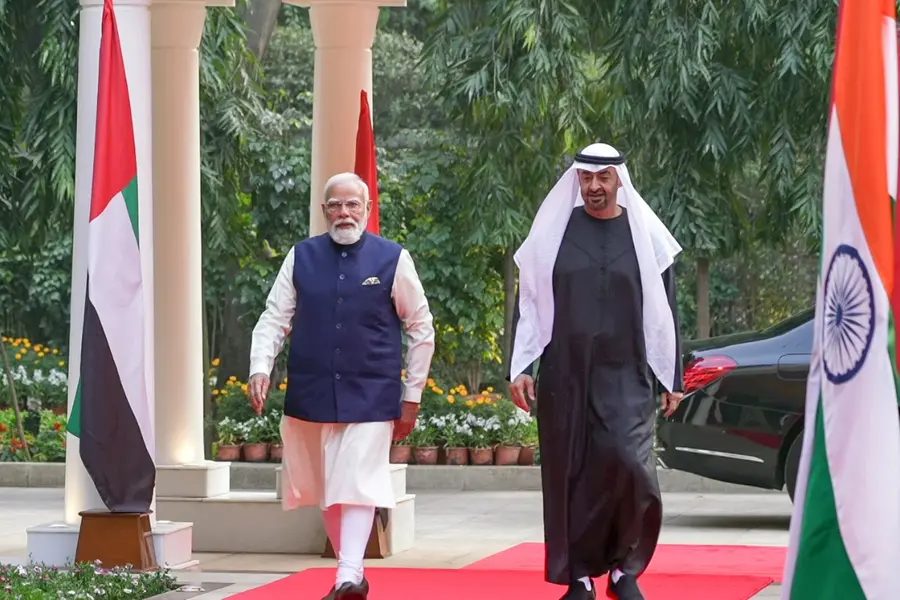
Dubai: India and the United Arab Emirates signed crucial energy and defence agreements on Friday during Prime Minister Narendra Modi’s brief visit to Abu Dhabi, with fuel security emerging as the central focus amid the escalating US-Iran conflict.
The agreements include a long-term Liquefied Petroleum Gas (LPG) supply arrangement and a Memorandum of Understanding on strategic petroleum reserves, aimed at protecting India from disruptions in global energy markets.
Also Read

The deals were finalised during Modi’s meeting with UAE President Mohamed bin Zayed Al Nahyan.
Why India moved quickly amid fuel crisis fears
The agreements come at a time when global energy markets are under severe pressure due to the ongoing conflict involving Iran, the United States and Israel.
Concerns over disruptions near the Strait of Hormuz — through which a large portion of the world’s oil and gas supplies pass — have triggered sharp increases in crude oil prices globally.
India, which imports most of its crude oil and LPG requirements, has been particularly vulnerable to supply disruptions and price spikes.
The situation has already begun affecting Indian consumers, with petrol and diesel prices rising by ₹3 per litre nationwide and CNG prices also increasing in major cities.
How the UAE deal could help India’s fuel situation
The LPG supply agreement with the UAE is expected to help India maintain stable cooking gas supplies even if global shipping routes become disrupted during the conflict.
India is currently the world’s second-largest LPG importer, making uninterrupted imports critical for household cooking fuel availability.
The strategic petroleum reserve agreement is equally significant because it allows India to strengthen emergency oil storage capabilities. Strategic reserves act as backup fuel stockpiles that can be used when global supplies become unstable or prices rise sharply.
Experts say these reserves can help cushion the impact of sudden global oil shocks and reduce immediate pressure on domestic fuel prices.
Could the deal stop further petrol and diesel hikes?
While the agreements may not immediately reduce petrol or diesel prices, they are expected to help India avoid a much larger fuel crisis if tensions in West Asia worsen further.
Energy analysts believe the deal could help stabilise supplies, improve negotiating power with exporters, and provide temporary insulation against severe shortages.
However, retail fuel prices in India will still depend heavily on international crude oil prices, shipping costs, currency movements and geopolitical developments.
If the Strait of Hormuz faces prolonged disruption, global oil prices could continue rising despite India’s strategic arrangements.
The UAE visit also reflects India’s broader strategy to diversify energy and strategic partnerships beyond traditional supplier relationships.
Alongside the energy agreements, India and the UAE signed a framework agreement on strategic defence cooperation and an MoU related to developing a ship repair cluster in Gujarat’s Vadinar.
Officials said India is increasingly focusing on long-term energy security partnerships rather than relying only on conventional import arrangements.
Modi’s larger Europe and Gulf tour underway
The UAE visit marked the first stop of Modi’s five-nation diplomatic tour that also includes the Netherlands, Sweden, Norway and Italy.
The tour is heavily focused on trade, technology, energy security and supply-chain partnerships at a time when global geopolitical tensions continue affecting economies worldwide.
Officials said discussions during the trip will centre on strengthening India’s economic resilience amid rising global uncertainty.
Back home, rising fuel prices continue to worry consumers, transport operators and businesses.
Higher fuel costs are expected to increase transportation expenses and add pressure on inflation across sectors including food, logistics and manufacturing.
The government’s latest energy agreements are therefore being viewed as an attempt to prevent a deeper supply and pricing crisis if the conflict in West Asia escalates further.
Published: 15 May 2026, 01:50 pm IST
Disclaimer: Kindly avoid objectionable, derogatory, unlawful and lewd comments, while responding to reports. Such comments are punishable under cyber laws. Please keep away from personal attacks. The opinions expressed here are the personal opinions of readers and not that of Mathrubhumi.