
Even as New Delhi and Dhaka trade diplomatic barbs, Adani Power is quietly tightening its grip on Bangladesh’s electricity lifeline—fuelled by gas shortages, rising demand, and hard economics.
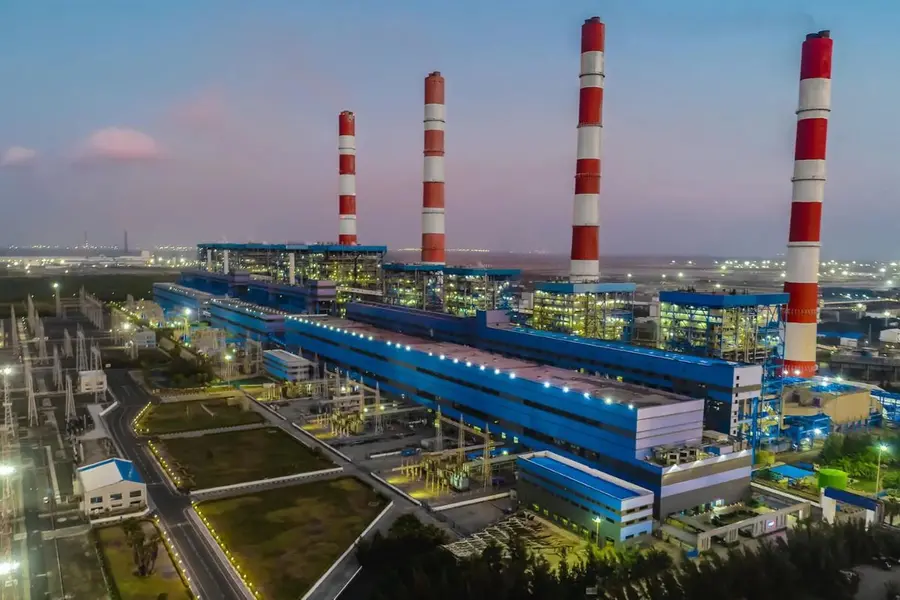
In a striking reminder that energy security often outweighs diplomatic discomfort, Adani Power has sharply increased electricity supplies to Bangladesh even as bilateral ties between the two neighbours continue to sour.
Data from Indian and Bangladeshi government agencies show that power exports from Adani’s Godda coal-fired plant in Jharkhand jumped nearly 38% year-on-year, reaching about 2.25 billion kilowatt-hours (kWh) in the three months ending December.
Also Read

The surge comes despite a Bangladesh government-appointed panel flagging Adani’s power as overpriced and amid growing political unease between the two countries.
The higher flows pushed India’s share in Bangladesh’s electricity mix to a record 15.6% for the year, up from 12% in 2024. Adani alone supplied 8.63 billion kWh in 2025, accounting for 8.2% of Bangladesh’s total power supply—a figure that rose to nearly 10% during the first 27 days of January, according to power grid data.
What makes the numbers more striking is the political backdrop. India and Bangladesh have suspended visa services, summoned diplomats, and raised security concerns at diplomatic missions—signals of relations under strain.
Yet electricity trade between the two continues to expand, driven less by goodwill and more by hard necessity.
Bangladesh is grappling with acute natural gas shortages, caused by declining domestic production and bottlenecks in liquefied natural gas imports.
Gas-fired power, once the backbone of the country’s energy system, saw its share plunge to a record low of 42.6% last year, down from nearly two-thirds over the previous decade.
To plug the gap, Dhaka is leaning heavily on coal and imported power. Coal imports surged 35% in 2025 to a record 17.34 million metric tonnes, while electricity demand is expected to rise 6–7% in 2026, Bangladesh Power Development Board Chairman Rezaul Karim told Reuters.
“Adani electricity is still cheaper than oil-fired power,” said Ijaz Hossain, an independent energy expert based in Dhaka. “Because of shortages, Bangladesh has no option but to rely on oil-fired plants—and those are far more expensive.”
For Adani Power, the moment underscores its growing regional leverage. As politics fray and fuel shortages deepen, electricity—steady, immediate, and indispensable—has become the strongest negotiating chip.
Published: 29 Jan 2026, 10:08 am IST
Related Topics
Disclaimer: Kindly avoid objectionable, derogatory, unlawful and lewd comments, while responding to reports. Such comments are punishable under cyber laws. Please keep away from personal attacks. The opinions expressed here are the personal opinions of readers and not that of Mathrubhumi.