
India’s LPG supply disruptions have renewed discussions around ethanol as a potential alternative cooking fuel, amid concerns over import dependence and geopolitical risks.
India’s ongoing LPG supply challenges have exposed vulnerabilities in its cooking fuel ecosystem, particularly its heavy dependence on imports and exposure to global geopolitical developments.
Disruptions in shipments passing through the Strait of Hormuz, a key maritime route for energy trade, have contributed to delays, price pressures and supply concerns across the country.
Also Read

Ethanol is a type of alcohol (chemical formula C₂H₅OH) that is commonly used as a fuel, solvent and in beverages (when produced for that purpose). In the context of cooking fuel, it is used as a biofuel.
What is ethanol?
Ethanol is a clean-burning liquid fuel that can be used in specially designed cookstoves. It produces a blue flame and emits fewer pollutants compared to traditional fuels like firewood, charcoal, or dung.
Where does ethanol come from?
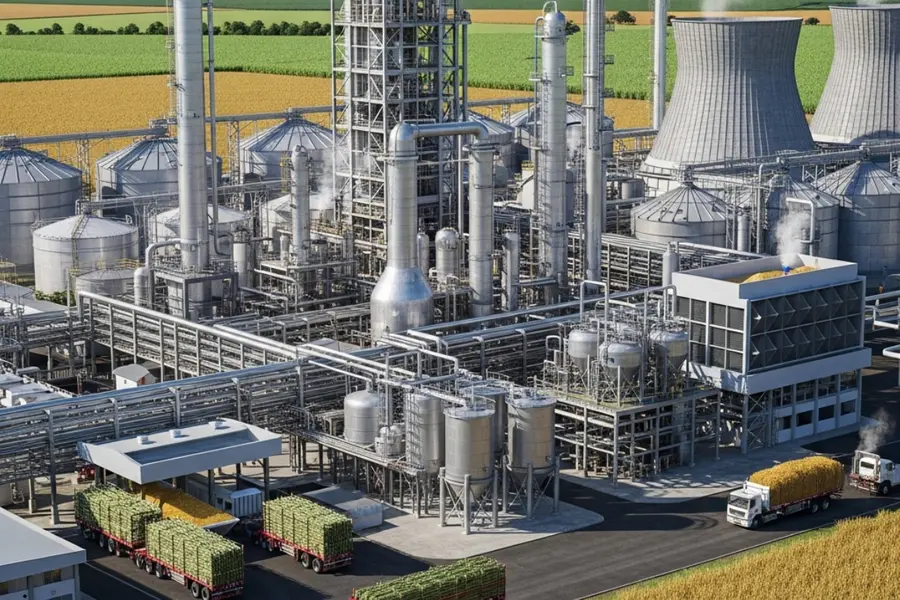
Ethanol is produced through the fermentation of sugars derived from plant-based sources. Common feedstocks include:
- Sugarcane (molasses and juice)
- Maize (corn)
- Wheat and other grains
- Agricultural residues (in advanced processes)
- Other biomass such as starch-rich crops
In India, a large portion of ethanol production is based on sugarcane and grain feedstocks. These raw materials are processed in distilleries where natural fermentation converts sugars into ethanol, which is then purified for use as fuel or for blending with petrol.
How it is produced (simplified process)
- Extraction of sugars or starch from crops
- Fermentation using yeast or microorganisms
- Distillation to separate ethanol from the mixture
- Purification for specific uses (fuel-grade or hydrous ethanol)
Why it is considered as an alternative fuel
Ethanol is renewable, locally producible, and can reduce dependence on imported fossil fuels like LPG. It also burns cleaner, making it a potential option for reducing indoor air pollution in households.
However, its large-scale use as a cooking fuel depends on infrastructure, stove availability, distribution systems, and safety standards.
Dependence on imports and supply chain risks
India consumes around 31–32 million tonnes of LPG annually, with a significant majority used for household cooking. However, approximately 60–65 percent of this demand is met through imports from Gulf countries such as Saudi Arabia, Qatar, the United Arab Emirates and Kuwait. Much of this supply travels via the Strait of Hormuz, making India’s LPG supply chain sensitive to tensions in West Asia.
Any disruption in this narrow corridor can affect shipment schedules, increase freight costs and create uncertainty in domestic availability. Analysts note that such dependency highlights structural weaknesses, including limited strategic reserves and concentration of import sources.
Impact on households and markets
The supply constraints have led to visible effects in several cities, including longer queues at distribution centres, increased booking activity and price fluctuations. Domestic LPG cylinder prices have seen moderate increases, while commercial cylinders have also become costlier, affecting businesses such as hotels and restaurants.
In some cases, hospitality establishments have adjusted operations by reducing menus or temporarily shifting to alternative fuels like firewood. Authorities have emphasised that domestic stocks remain adequate, but distribution and logistics pressures have contributed to short-term disruptions.
Government response and stabilisation measures
To manage the situation, the government has implemented several measures aimed at stabilising supply and preventing misuse. These include invoking regulatory provisions to curb hoarding and black-marketing, directing refineries to optimise LPG output, and prioritising domestic consumption over industrial use.
Additionally, efforts are underway to diversify import sources by securing shipments from countries outside the Gulf region, including the United States, Russia, Norway and Canada. Parallel encouragement has also been given to adopt piped natural gas (PNG) where infrastructure is available.
Ethanol as an alternative cooking fuel
Amid these challenges, ethanol is being revisited as a potential complementary cooking fuel. India already produces significant quantities of ethanol annually, primarily from sugarcane and grain-based feedstocks, supported by its ethanol blending programme in petrol.
Ethanol can be used in cooking through specially designed stoves that operate on liquid biofuels. It burns with a relatively clean flame and produces fewer emissions compared to traditional biomass fuels. Hydrous ethanol, which contains some water content, can be used for cooking applications, making it less energy-intensive to produce than fuel-grade ethanol.
Advantages of ethanol for households
Ethanol offers several potential benefits if adopted at scale. It is domestically produced, which could reduce reliance on imported LPG and improve energy security. It also has lower indoor air pollution compared to solid fuels like wood or dung, which remains a concern in rural households.
From an economic perspective, diverting a portion of ethanol production toward cooking fuel could ease subsidy burdens and create additional demand for agricultural feedstocks, potentially benefiting farmers. Existing distilleries and transport networks could also be leveraged for distribution.
Challenges and limitations
Despite its potential, ethanol faces practical and structural challenges before it can be widely adopted as a cooking fuel. These include the need for specialised cookstoves, safety considerations in handling liquid fuel, distribution infrastructure, and consumer awareness.
Cost competitiveness and accessibility in rural areas are also key factors. While pilot projects in other regions have demonstrated feasibility, scaling up would require coordinated policy support, investment in supply chains and standardisation of equipment.
Policy direction and future outlook
Experts suggest that ethanol is unlikely to fully replace LPG in the near term but could serve as a complementary energy source in India’s cooking fuel mix. Policy measures such as recognising bioethanol under existing household fuel schemes, launching pilot programmes in rural regions, and encouraging private sector participation in stove manufacturing could support adoption.
The current LPG disruption is widely viewed by analysts as a reminder of the importance of diversifying energy sources for essential household needs. While short-term measures may stabilise supply, long-term resilience will depend on reducing import dependence and expanding domestic alternatives such as biofuels.
Published: 07 Apr 2026, 09:22 am IST
Related Topics
Disclaimer: Kindly avoid objectionable, derogatory, unlawful and lewd comments, while responding to reports. Such comments are punishable under cyber laws. Please keep away from personal attacks. The opinions expressed here are the personal opinions of readers and not that of Mathrubhumi.