
India has begun preparations to evacuate its nationals from Iran as internal unrest and geopolitical tensions intensify, while temporary airspace closures continue to disrupt international flight operations.
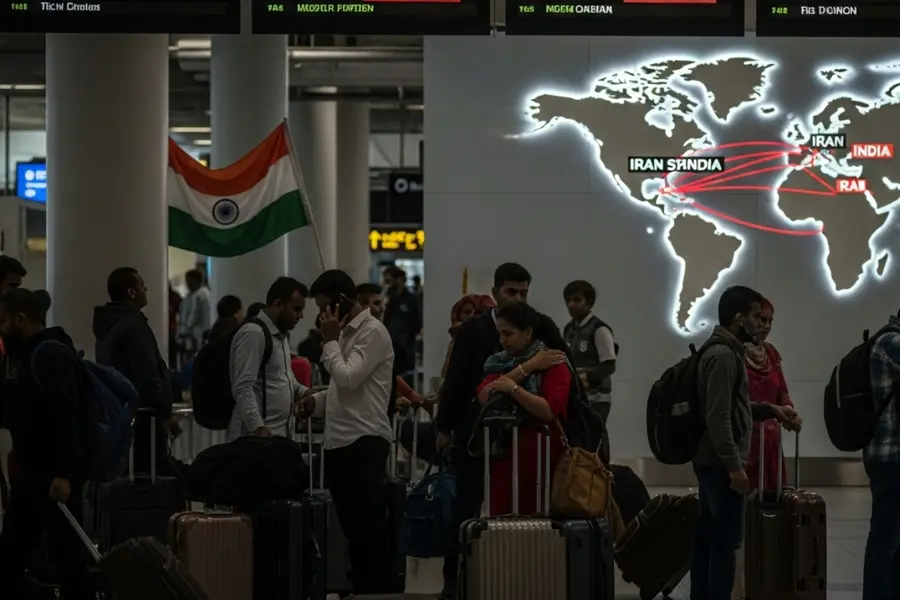
New Delhi: India is preparing to evacuate its citizens from Iran as the situation in the country worsens due to widespread protests and rising geopolitical tensions. Official sources said the first batch of evacuees, largely students, is expected to be flown out on Friday.
Students have been advised to remain ready by 8 am, keep travel documents prepared, and cooperate with Indian embassy officials as passenger lists and necessary approvals are finalised.
Also Read

The Ministry of External Affairs (MEA) confirmed that arrangements are underway to assist Indian nationals who wish to return home. Officials said the evacuation is being coordinated with the Indian Embassy in Tehran, which is collecting details of Indians across different regions of Iran. Communication, however, has become difficult in some areas due to internet blackouts.
More than 10,000 Indians are estimated to be living in Iran. This includes students, pilgrims in Qom and Mashhad, businesspersons, and medical students based in cities such as Tehran and Isfahan. The Indian Embassy in Tehran has issued an advisory urging all Indian nationals, including students, pilgrims, businesspersons, and tourists, to leave Iran using available means, including commercial flights.
The embassy has advised Indians and Persons of Indian Origin (PIOs) to exercise extreme caution, avoid protest areas, remain in regular contact with embassy officials, and closely follow local media updates. Nationals have been asked to keep passports, visas, and immigration documents ready and to register with the embassy through the MEA’s online portal. Families in India have also been encouraged to register on behalf of relatives in Iran if internet access there is disrupted.
The Indian Embassy has shared emergency contact details, including multiple mobile numbers and an official consular email address, to assist those seeking urgent help.
Meanwhile, the situation has been compounded by disruptions to international aviation. Iran temporarily closed its airspace to commercial flights for several hours on Thursday, forcing airlines to divert or cancel services. Although the airspace reopened after a few hours, Indian carriers Air India and IndiGo continue to avoid Iranian airspace due to safety concerns.
Iran sits on a critical east-west air corridor, and the closure led to immediate rerouting of international flights. This has affected services to Central Asia, the Caucasus, Europe, and North America, resulting in longer flight durations, delays, cancellations, and operational challenges.
Air India said its flights that normally overfly the region are now using alternative routes, which may lead to delays. Some services have been cancelled where rerouting is not operationally feasible. Avoiding Iranian airspace adds around one hour to westbound flights to North America, requiring additional fuel and reducing passenger capacity on these routes.
IndiGo has also faced significant disruption, particularly on routes to Central Asia, Turkey, and Europe. Several flights to CIS countries such as Uzbekistan, Kazakhstan, Azerbaijan, and Georgia were cancelled on Thursday and Friday. Flights to Istanbul and European destinations have experienced delays due to longer routes. One IndiGo flight from Tbilisi to Delhi was reportedly the last non-Iranian passenger aircraft to transit Iranian airspace before the closure, while another flight from Baku to Delhi was forced to return after the airspace shutdown.
Industry sources said continued avoidance of Iranian airspace could force IndiGo to introduce refuelling stops for some routes due to the limited range of its Airbus A320 aircraft, potentially affecting the viability of certain destinations if disruptions persist.
In a passenger advisory, IndiGo said it was assessing the situation and supporting affected customers by offering alternative arrangements. Indian authorities said evacuation plans are under constant review, with the priority remaining the safe return of Indian nationals and the maintenance of flight safety amid rapidly evolving conditions.
Published: 16 Jan 2026, 02:28 pm IST
Disclaimer: Kindly avoid objectionable, derogatory, unlawful and lewd comments, while responding to reports. Such comments are punishable under cyber laws. Please keep away from personal attacks. The opinions expressed here are the personal opinions of readers and not that of Mathrubhumi.