
ATF (Aviation Turbine Fuel) prices may seem distant from everyday life, but they have a ripple effect on the wider economy
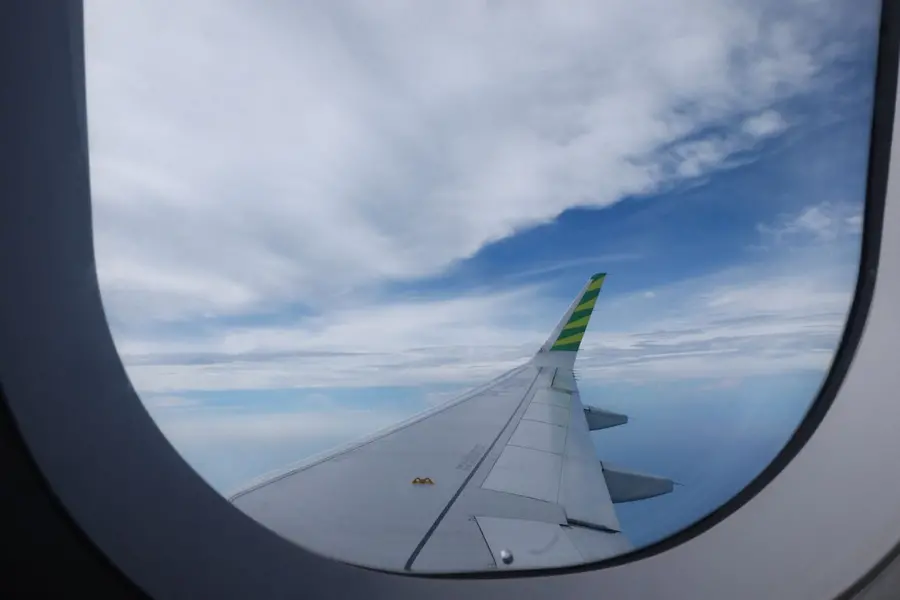
Aviation Turbine Fuel (ATF) prices have risen across India’s metropolitan hubs with effect from 1 April 2026.
The revised rates are as follows:
Delhi – Rs 207,341.22 per kilolitre
Kolkata – Rs 205,953.33 per kilolitre
Mumbai – Rs 194,968.67 per kilolitre
Chennai – Rs 214,597.66 per kilolitre
The increase reflects ongoing adjustments in fuel costs affecting the aviation sector.
ALSO READ | Flying? Here’s why you can’t charge your power bank on planes anymore
ATF (Aviation Turbine Fuel) prices may seem distant from everyday life, but they have a ripple effect on the wider economy, impacting ordinary people in several ways:
Higher Airfares:
Jet fuel is the largest expense for airlines. When ATF prices climb, carriers often pass some of the cost onto passengers, making both domestic and international flights more expensive and affecting holidays, business trips, and travel plans.
Rising Air Cargo Costs:
Products transported by air, from electronics to fresh produce become pricier. Retailers may pass these costs on to consumers, so everyday goods, particularly imported or perishable items, can see price increases.
Economic Strain:
Airlines may reduce flights or cut routes to manage fuel costs, limiting travel options. This can also impact tourism, aviation jobs, and related services such as hotels, taxis, and restaurants.
Indirect Inflation:
Higher transport costs can feed into general inflation. Even if you don’t fly, you may notice price rises on items that depend on air freight.
ALSO READ | Fuel prices to go up? Russia set to ban gasoline exports from April 1
Global airlines have started raising fares and reducing capacity in response to the sharp spike in oil prices. The sector’s ability to stay profitable may now hinge on whether travellers cut back on flying as rising fuel costs strain household budgets.
Before last month’s escalation in the U.S.-Israeli conflict with Iran, airlines had projected record profits of $41 billion for 2026. However, a doubling of jet fuel prices has put these forecasts in jeopardy, prompting carriers to reconsider their routes and operational strategies.
Published: 01 Apr 2026, 08:10 am IST
Related Topics
Disclaimer: Kindly avoid objectionable, derogatory, unlawful and lewd comments, while responding to reports. Such comments are punishable under cyber laws. Please keep away from personal attacks. The opinions expressed here are the personal opinions of readers and not that of Mathrubhumi.
