
Air India has started upgrading its Boeing 787 Dreamliner fleet after the US Federal Aviation Administration (FAA) identified a potential issue with door assist handles. The airline says the modifications are precautionary and do not affect the safety of current flight operations.
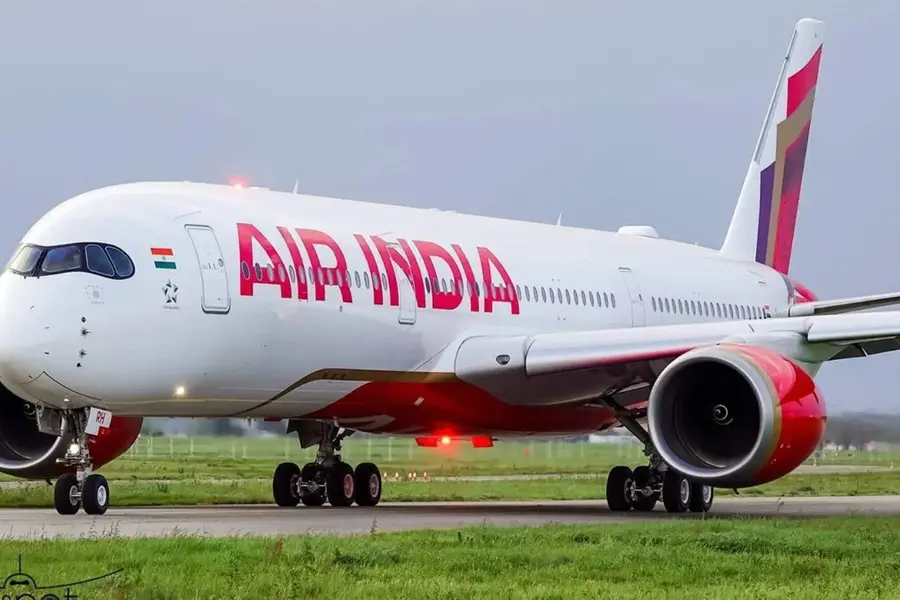
Air India has started upgrading some of its Boeing 787 Dreamliner aircraft after the US Federal Aviation Administration (FAA) issued a directive highlighting a potential issue with the aircraft's door assist handles. While the announcement may sound concerning, aviation experts say passengers have no reason to worry.
The upgrades are precautionary and form part of the aviation industry's rigorous safety system, where even minor issues are addressed before they can become larger problems. More importantly, the development highlights how modern airlines and regulators work together to continuously improve aircraft safety without disrupting passenger travel.
Also Read

What is the issue?
The FAA recently directed airlines operating certain Boeing 787-8, 787-9 and 787-10 aircraft to carry out modifications after reports that some door assist handles had become loose during routine pre-flight inspections.
These handles help cabin crew and ground personnel safely open and close aircraft doors. According to the FAA, if a handle were to detach, it could potentially cause injury while opening the door. In an unlikely emergency, it could also make evacuation more difficult.
There have been no reports suggesting the issue has affected flights in service or passenger safety. Instead, the directive is intended to prevent any future risk by ensuring affected aircraft receive the necessary upgrades.
Work in phases
Air India has confirmed that it is implementing the required modifications across its Boeing 787 fleet in a phased manner. Some of the airline's older Dreamliners have already been upgraded, while the remaining aircraft will be modified during scheduled maintenance checks.
The airline currently operates 35 Dreamliners—26 Boeing 787-8s and nine Boeing 787-9s as part of its widebody fleet.
Importantly for travellers, Air India has stated that the FAA directive does not affect the safety of current operations. Flights will continue as normal while the modifications are completed.
Why Passengers should not be concerned
For passengers, the key takeaway is that this is not a grounding order or an emergency safety issue. Aircraft manufacturers and aviation regulators routinely monitor fleet performance across the world. Whenever even a small technical issue is identified, they issue service bulletins or airworthiness directives requiring airlines to inspect or modify affected components.
In simple terms, this is how commercial aviation keeps improving. Instead of waiting for a problem to occur, airlines fix potential issues well in advance. This proactive approach is one of the reasons commercial aviation remains among the safest forms of transport.
What does the FAA want airlines to do?
The FAA has instructed airlines to install additional retaining components on the affected door support brackets. Depending on the aircraft configuration, airlines may also need to inspect the door assist handles, replace certain parts, add identification markings and carry out corrective actions where required.
These modifications are relatively straightforward and can usually be completed during scheduled maintenance visits without disrupting airline operations.
Not just Air India
Air India is one of many airlines expected to comply with the FAA directive. The instruction applies to specific Boeing 787 aircraft worldwide, meaning other international operators will also be carrying out similar upgrades if their aircraft are affected. IndiGo, which currently leases five Boeing 787 Dreamliners from Norse Atlantic Airways, will also assess whether any of its aircraft fall within the affected category.
The directive demonstrates how aviation regulators maintain common safety standards across airlines and countries.
Strong safety culture
Rather than raising concerns, developments like these highlights how seriously the aviation industry treats safety.
Every aircraft generates vast amounts of operational data every day. When engineers identify even a minor recurring issue anywhere in the world, regulators analyse the findings and, if necessary, issue mandatory instructions so that all operators can take corrective action.
This process ensures lessons learned from one aircraft benefit every airline operating the same type.
Conclusion
As Air India modernises its fleet and expands its international network, programmes like this underline the importance of preventive maintenance in today's aviation industry. Airlines are no longer focused only on repairing faults when they occur. Increasingly, they are using data, inspections and engineering upgrades to prevent issues before they can affect operations.
For passengers, that means greater confidence that aircraft are constantly being monitored, improved and maintained to the highest global standards.
The FAA directive may involve a relatively small component, but it reflects a much larger principle, aviation safety is built on continuous improvement. By carrying out these modifications without interrupting flights, Air India is demonstrating the industry's commitment to keeping passengers safe while maintaining reliable operations, a reminder that behind every routine journey lies an extensive system of engineering, regulation and preventive maintenance working quietly in the background.
Published: 27 Jul 2026, 01:45 pm IST
ABOUT THE AUTHOR
Disclaimer: Kindly avoid objectionable, derogatory, unlawful and lewd comments, while responding to reports. Such comments are punishable under cyber laws. Please keep away from personal attacks. The opinions expressed here are the personal opinions of readers and not that of Mathrubhumi.