
Global airlines are hiking ticket prices and cutting capacity due to surging fuel costs
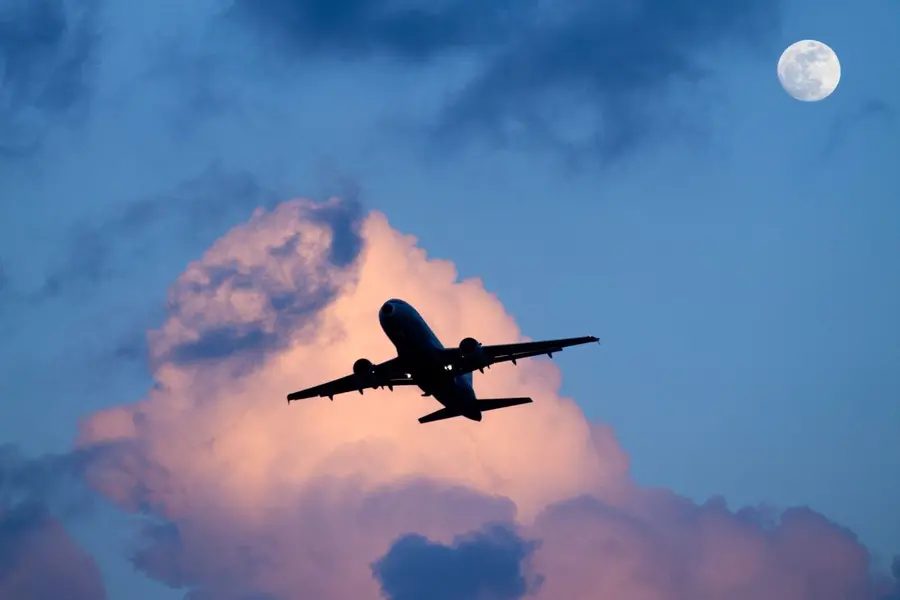
Global airlines are beginning to raise ticket prices and reduce flight capacity as they grapple with a sharp surge in oil prices, a development that is now threatening the industry’s profitability outlook for 2026.
Prior to the recent escalation in the Iran–Israel conflict, the aviation sector had projected record profits of around $41bn for the year. However, a sudden spike in jet fuel prices, reportedly doubling in a short span has forced airlines to reassess both their network strategies and financial expectations.
Major carriers including United Airlines, Air New Zealand, and Scandinavian Airlines have already announced capacity cuts and fare increases, while others have introduced or expanded fuel surcharges to offset rising costs.
Industry experts warn that airlines are now facing a difficult balancing act. Rigas Doganis, former head of Olympic Airways, while speaking to Reuters, described the situation as an “existential challenge,” noting that airlines may need to lower fares to stimulate weakening demand even as rising fuel costs push them to increase prices, creating what he called a “perfect storm.”
The current situation comes after a period of strong recovery for global aviation. In 2025, passenger traffic exceeded pre-pandemic levels by nearly 9 percent, driven by pent-up travel demand. At the same time, ongoing supply chain issues limited aircraft deliveries, restricting capacity growth and giving airlines greater pricing power.
However, this favourable environment is now under strain. Rising fuel costs are coinciding with increasing financial pressure on consumers, particularly due to higher gasoline prices, which could reduce discretionary spending on travel.
According to Andrew Lobbenberg of Barclays, the most immediate lever airlines have is to reduce capacity. “The only way to push prices up is to cut supply,” he noted, adding that similar strategies have been used during previous industry crises.
Airlines have already begun passing on costs to passengers. Scott Kirby recently indicated that fares may need to rise by as much as 20% for airlines to fully offset higher fuel expenses.
Meanwhile, Cathay Pacific has increased fuel surcharges twice within a month. From this week, a return economy-class ticket from Sydney to London carries an additional surcharge of about $800, significantly raising overall travel costs.
Low-cost carriers are expected to face the greatest challenges in this environment. Their business models rely heavily on price-sensitive travellers, who are more likely to cut back on flying or switch to alternative modes of transport such as rail or road.
Nathan Gee of Bank of America noted that even short-haul travel could see reduced demand, as budget-conscious passengers reconsider spending.
The current crisis marks the fourth major oil shock for the airline industry since the early 2000s, following similar disruptions during the 2007–08 financial crisis, the Arab Spring in 2011, and the Russia–Ukraine war.
This time, however, the challenge is more complex. Some airlines, including Vietnam Airlines, have even raised concerns about securing physical fuel supplies, particularly due to disruptions around the Strait of Hormuz.
Over the past decade, consolidation among major carriers such as mergers involving Delta Air Lines and American Airlines has led to tighter capacity control, allowing airlines to better manage pricing during crises. At the same time, low-cost carriers like Ryanair and IndiGo have focused on cost efficiency through simplified fleets and quick turnaround times.
However, ongoing supply chain disruptions and delays in aircraft deliveries are limiting airlines’ ability to modernise fleets with more fuel-efficient aircraft, one of the key long-term solutions to high fuel costs.
According to Dan Taylor, the current situation is likely to widen the gap between financially strong and weaker airlines. Carriers with strong balance sheets, better pricing power, and access to capital are expected to manage the crisis more effectively, while smaller or financially weaker airlines may face growing pressure.
While airlines are taking immediate steps such as fare hikes and capacity adjustments, the industry’s performance in 2026 will largely depend on how demand holds up in the face of rising travel costs. If consumers begin to cut back significantly, airlines may be forced into a more defensive strategy, balancing cost control with efforts to sustain passenger volumes in an increasingly uncertain market
Published: 30 Mar 2026, 03:41 pm IST
Related Topics
Disclaimer: Kindly avoid objectionable, derogatory, unlawful and lewd comments, while responding to reports. Such comments are punishable under cyber laws. Please keep away from personal attacks. The opinions expressed here are the personal opinions of readers and not that of Mathrubhumi.
