
After years of delays, stricter safety checks and extensive testing, Boeing's smallest 737 MAX aircraft is finally ready to enter commercial service, marking an important step for the company and airlines around the world
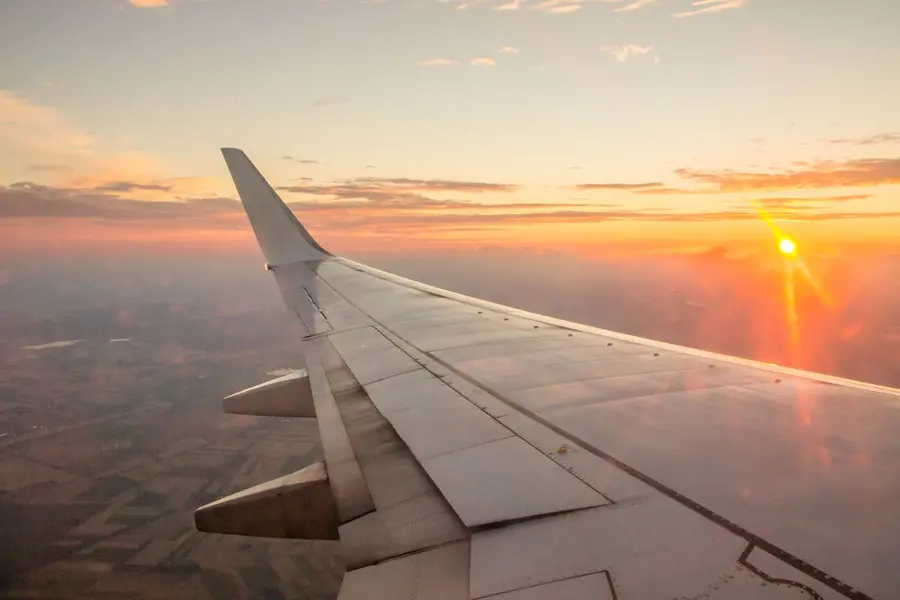
Looks like the wait is finally over for Boeing as the US Federal Aviation Administration (FAA) has officially certified Boeing's new 737-7 aircraft, allowing it to begin commercial operations. The approval marks the end of a long certification process that lasted several years and involved extensive flight testing, engineering improvements and close regulatory oversight.
For Boeing, the certification is much more than the launch of another aircraft. It represents an important milestone in rebuilding confidence in the 737 MAX programme after the global crisis that followed two fatal crashes involving earlier MAX aircraft in 2018 and 2019. Since then, the aircraft manufacturer has worked closely with regulators to improve safety standards and strengthen its engineering and certification processes.
Also Read

The FAA's approval now allows Boeing to begin delivering the aircraft to customers, with Southwest Airlines expected to become the first airline to receive the 737-7.
A long journey to certification
The road to certification has not been easy. The 737-7 first began its flight-testing programme several years ago, but the process took much longer than expected because of new safety requirements introduced after the 737 MAX accidents.
During this period, aviation regulators across the world introduced stricter certification rules for new aircraft. Boeing had to carry out additional engineering reviews, software evaluations and safety assessments before the aircraft could receive approval.
According to Boeing, the certification programme included more than 1,000 hours of flight and ground testing, along with detailed system safety studies and human factors evaluations. Engineers also worked closely with the FAA throughout the programme to ensure that every regulatory requirement was fully met.
The company also redesigned the aircraft's engine anti-ice system after engineers identified a potential issue during flight testing. The updated system was tested and approved before the FAA granted certification.
Boeing celebrates an achievement
Boeing described the certification as a major achievement for its engineering and flight-test teams, who worked through several challenges over the years, including disruptions caused by the COVID-19 pandemic and changing certification requirements. Stephanie Pope, President and Chief Executive Officer of Boeing Commercial Airplanes, said the certification reflected the dedication of the company's employees.
"This important certification validates the rigor of our airplane's design and recognizes the determination and resilience of our 737 MAX development team," she said.
Pope also praised the engineers and test teams who remained focused despite the programme's many challenges. "Our team of dedicated engineers and test experts worked through challenges, an extended pandemic, and the transition to new certification processes. Through it all, our team stayed focused on completing all requirements and delivering a safe and more capable airplane to our customers," she added.
What makes the 737-7 different?
The Boeing 737-7 is the smallest member of the 737 MAX family, but it offers the longest flying range among all the MAX variants.
The aircraft typically carries between 135 and 160 passengers in a two-class seating configuration and can fly up to 3,800 nautical miles (about 7,040 kilometres) without refuelling.
Its long range allows airlines to operate routes that may not require larger aircraft while still offering excellent fuel efficiency. This makes the aircraft suitable for both domestic and international flights, particularly on routes where passenger demand is moderate.
The aircraft has also been designed to perform well at airports located at high altitudes and in regions with very hot weather, giving airlines greater flexibility in planning their operations.
Better fuel efficiency and lower emissions
One of the biggest advantages of the 737-7 is its improved fuel efficiency. According to Boeing, the aircraft consumes around 20 per cent less fuel and produces significantly lower carbon emissions than the older aircraft it is designed to replace. It also has a noise footprint that is around 50 per cent lower, making it quieter for communities living near airports.
At a time when airlines are trying to reduce operating costs while also meeting environmental targets, these improvements could make the aircraft an attractive option for many operators.
Lower fuel consumption not only reduces airline expenses but also helps reduce greenhouse gas emissions, an increasingly important goal for the global aviation industry.
Why this certification matters so much
For passengers, the FAA's approval means they may soon begin travelling on another member of Boeing's modern 737 MAX family. For airlines, the aircraft offers greater flexibility. Because it has fewer seats than some of the larger MAX models, airlines can operate routes where demand may not justify a bigger aircraft while still enjoying lower operating costs.
The certification is also important for Boeing as it continues rebuilding trust following one of the most difficult periods in the company's history. Successfully meeting the FAA's strict certification standards demonstrates that the aircraft has undergone extensive testing and evaluation before entering commercial service.
Mike Sinnett, Senior Vice President of Product Strategy, Product Development and Development Programs at Boeing, said the certification programme had helped the company gain a better understanding of today's regulatory expectations. "Our Boeing team held regular and detailed discussions with the FAA to ensure Boeing understood the requirements and provided transparency of our progress," he said.
Sinnett added that the experience gained during the programme would help Boeing improve future aircraft development with a stronger focus on safety, quality and human factors.
Airlines and the aviation industry
The certification is expected to benefit airlines that have been waiting for the aircraft to join their fleets. Southwest Airlines, the launch customer, is preparing to receive its first aircraft, while Boeing has already started making the final updates needed before deliveries begin.
The FAA has also updated Boeing's production certificate to include the 737-7, allowing the company to manufacture and deliver the aircraft under its existing production approval.
The 737 MAX family remains one of Boeing's most successful commercial aircraft programmes. The company says it has received more than 7,200 orders for MAX aircraft, with over 2,300 aircraft delivered by the end of June 2026.
The certification of the 737-7 further strengthens Boeing's product range as the company continues working towards FAA certification of the larger 737-10 aircraft.
Conclusion
The FAA's approval of the Boeing 737-7 marks the beginning of a new chapter for both Boeing and the global aviation industry. After years of technical reviews, engineering improvements and stricter regulatory oversight, the aircraft is finally ready to carry passengers. The certification also highlights how aircraft safety standards have evolved in recent years, with regulators demanding more detailed testing and greater transparency from manufacturers.
For Boeing, the approval represents another step in restoring confidence in the 737 MAX family. For airlines, it offers a fuel-efficient aircraft with long-range capability and operational flexibility. And for passengers, it is a reminder that modern aircraft development now places an even stronger emphasis on safety, reliability and performance than ever before.
As the first 737-7 aircraft prepare to enter service, the aviation industry will be watching closely to see how the newest member of the MAX family performs in commercial operations, while Boeing continues its efforts to complete certification of the remaining aircraft in the series.
Published: 04 Aug 2026, 11:46 am IST
ABOUT THE AUTHOR
Related Topics
Disclaimer: Kindly avoid objectionable, derogatory, unlawful and lewd comments, while responding to reports. Such comments are punishable under cyber laws. Please keep away from personal attacks. The opinions expressed here are the personal opinions of readers and not that of Mathrubhumi.