
Australia has restricted commercial moringa products due to insufficient safety data, even though the plant has been part of Kerala’s traditional diet for generations.
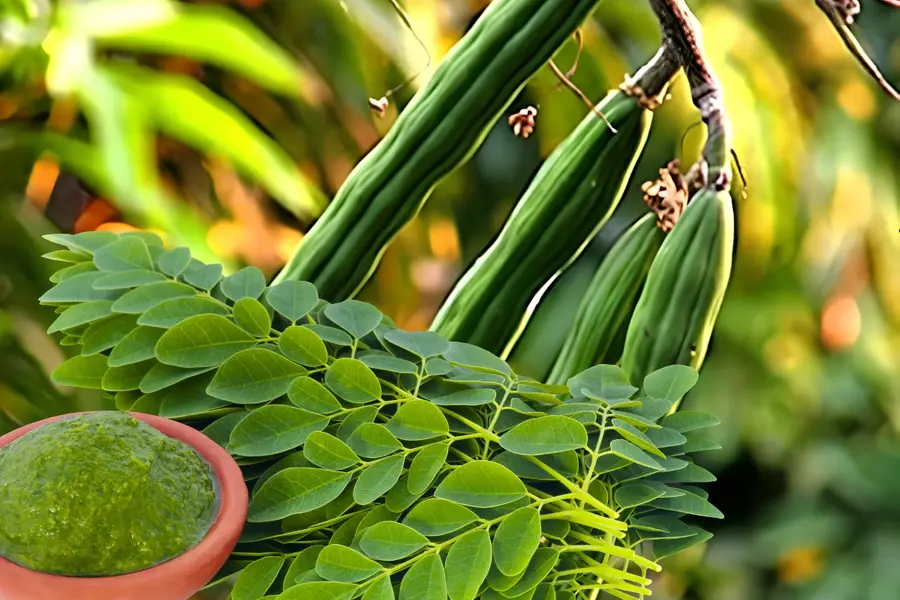
Australia’s decision to restrict the commercial sale of moringa products has sparked confusion and debate, especially among Malayali communities who have used the plant as a dietary staple for centuries.
In Kerala, moringa is not marketed as a superfood or wellness trend. It is a deeply rooted part of everyday cuisine, where drumstick leaves are used in thoran, pods flavour sambar, and the plant is widely valued in traditional food practices. Its presence in home gardens and local cooking has made it a familiar and culturally significant ingredient for generations.
Also Read

Australia’s regulatory classification
In Australia, moringa is treated differently. The country’s food safety regulator, Food Standards Australia New Zealand (FSANZ), classifies moringa as a “novel food” — meaning it does not have a long documented history of consumption within Australia.
Under this framework, any novel food must undergo a formal safety assessment before it can be approved for commercial sale. This includes scientific data on toxicity, human consumption studies, and long-term safety evidence.
Why approval was rejected
FSANZ reviewed an application covering moringa leaves, pods, seed oil, and derived products such as powders and supplements. The regulator ultimately rejected approval, stating that available scientific evidence was insufficient to complete a full safety assessment.
Importantly, the decision did not label moringa as unsafe. Instead, it highlighted a lack of comprehensive, standardised data required under Australian regulatory norms for commercial food approval.
Commercial restrictions in Australia
Following the decision, moringa products cannot be legally sold in Australia as food or dietary supplements. This includes dried leaves, powders, capsules, teas, and seed oil-based products.
Imported moringa products may also be detained at the border under Australia’s Imported Food Control Act, with non-compliant shipments subject to seizure, destruction, or return.
Personal consumption still allowed
Despite the commercial restrictions, individuals in Australia are generally allowed to grow moringa trees at home. Consumption of leaves or pods from privately grown plants is not prohibited. The restrictions apply mainly to retail sale and commercial import channels.
Why the gap exists between cultures
The situation highlights a broader global issue: foods that are culturally ordinary in one country may be considered “novel” elsewhere. In Kerala, moringa has centuries of traditional use, but Australian regulators rely heavily on formal scientific documentation rather than historical or cultural familiarity.
This creates a regulatory gap where traditional knowledge does not automatically translate into commercial approval in global markets.
The larger global food debate
The moringa case reflects how global food systems operate under different safety frameworks. Countries like Australia prioritise precaution and documented evidence, while regions like India rely more heavily on long-standing dietary use and traditional knowledge.
As a result, ingredients widely accepted in one region may face regulatory barriers in another, not due to proven risk, but due to insufficient formal data.
Moringa’s restriction in Australia is not a declaration of danger, but a regulatory outcome shaped by evidence requirements. The contrast between Kerala’s everyday use and Australia’s classification as a novel food underscores how global food safety systems differ in defining what is “safe enough” to sell commercially.
Published: 03 Jun 2026, 08:31 pm IST
Related Topics
Disclaimer: Kindly avoid objectionable, derogatory, unlawful and lewd comments, while responding to reports. Such comments are punishable under cyber laws. Please keep away from personal attacks. The opinions expressed here are the personal opinions of readers and not that of Mathrubhumi.