
A diabetologist has highlighted three common mistakes people make while checking their blood sugar levels, warning that incorrect testing techniques can lead to inaccurate readings and poor diabetes management.
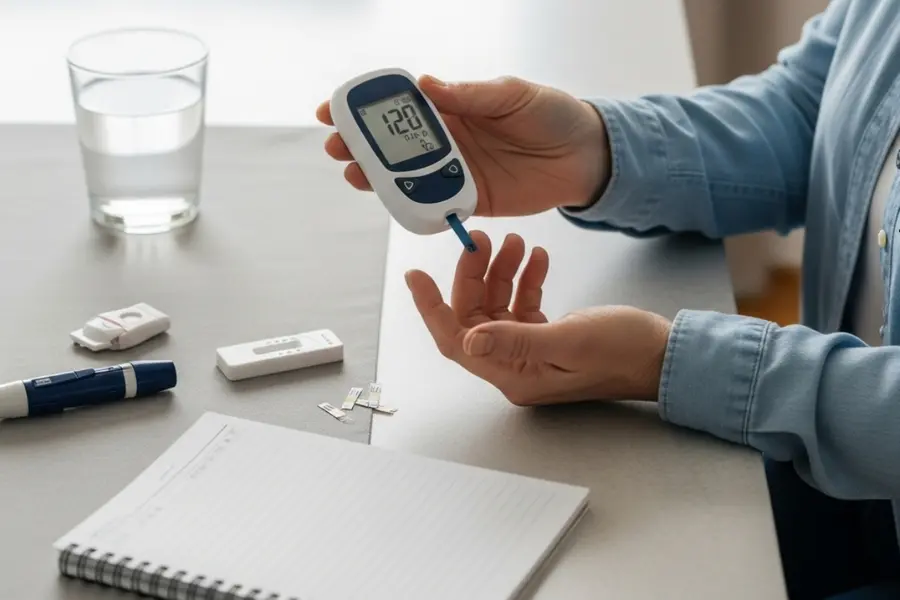
Imagine you're carefully monitoring your father's diabetes at home. Every morning, you note down his blood sugar readings, make sure he takes his medicines on time and even adjust meals based on the numbers on the glucose meter.
But despite all that effort, the readings seem unusually high one day and unexpectedly low the next. Concerned, you visit a laboratory for a more detailed blood test, only to discover that the results don't completely match what the home monitor showed. Situations like these are more common than many people realise, and sometimes the issue isn't the device itself but simple mistakes made during the testing process.
Also Read

For many people living with diabetes, checking blood sugar levels is as routine as brushing their teeth. A quick finger prick, a drop of blood and a reading on the screen often determine what they eat, whether they need medication, or if they should be concerned about their health.
But what many people don't realise is that even the most advanced glucose meter can only be as accurate as the sample it receives. Small testing mistakes can lead to readings that are higher or lower than they should be, potentially affecting day-to-day diabetes management.
Whether you are newly diagnosed or have been managing diabetes for years, understanding the correct way to test your blood sugar can help you get more reliable results.
Why accurate blood sugar readings matter
Blood sugar numbers are more than just figures on a screen. They provide valuable information about how your body is responding to food, exercise, stress, illness and medication.
An unusually high reading may prompt someone to adjust their diet or medication, while a low reading could lead them to consume extra carbohydrates. If the reading itself is inaccurate, these decisions may not be based on what is actually happening in the body.
That's why healthcare professionals stress that proper testing technique is an important part of diabetes care.
Mistake #1: Using the first drop of blood
One of the most common mistakes people make is using the very first drop of blood that appears after pricking the finger.
The surface of the skin can contain traces of sweat, food particles, lotion, soap residue or other contaminants. These substances can mix with the first blood drop and potentially affect the glucose reading.
Many experts recommend wiping away the first drop with a clean tissue or cotton pad and then using the second drop for testing. This simple step can help improve the reliability of the result.
Mistake #2: Testing on the index finger every time
Most people naturally choose their index finger because it is convenient and easy to access. However, it is often one of the most sensitive fingers on the hand.
Repeated testing on the same finger can lead to soreness, tenderness and the development of calluses. Over time, this can make testing more uncomfortable and may even affect blood flow.
The middle finger and ring finger are generally considered better options. Rotating between different fingers can also help reduce discomfort and allow the skin time to recover.
Another useful tip is to prick the side of the fingertip rather than the centre. The sides typically have fewer nerve endings, making the process less painful while still providing an adequate blood sample.
Mistake #3: Squeezing the finger to force blood out
When blood does not appear immediately, many people instinctively squeeze, press or massage the fingertip.
While this may seem like a quick solution, excessive squeezing can cause interstitial fluid — the fluid that surrounds the body's cells — to mix with the blood sample. This can dilute the sample and potentially lead to inaccurate readings.
Instead of squeezing, experts recommend warming the hands before testing. Washing hands with warm water, gently rubbing the palms together or allowing the arm to hang down briefly can encourage blood flow and make it easier to obtain a sufficient sample.
Other common mistakes that can affect your readings
Even if your finger-prick technique is correct, several other factors can influence blood sugar results.
Not washing your hands properly
This is one of the biggest causes of inaccurate readings.
If you have recently handled fruit, sweets, soft drinks or sugary foods, tiny traces of sugar may remain on your fingers. These traces can contaminate the blood sample and produce an artificially high reading.
Washing hands thoroughly with soap and water before testing is one of the simplest ways to improve accuracy.
Testing with wet hands
Some people wash their hands but do not dry them completely before testing.
Water droplets can dilute the blood sample and result in a falsely low reading. Always dry your hands thoroughly with a clean towel before using your glucose meter.
Using expired or damaged test strips
Test strips are highly sensitive and can lose accuracy if they are expired, exposed to moisture or stored improperly.
Always check the expiry date and keep strips in their original container with the lid tightly closed. Avoid storing them in hot cars, humid bathrooms or direct sunlight.
Using too little blood
Applying an insufficient amount of blood to the test strip can sometimes trigger error messages or produce unreliable results.
Following the instructions provided with your glucose meter can help ensure that the sample size is adequate.
Creating a reliable testing routine
Consistency is key when monitoring blood sugar.
Many diabetes educators recommend testing under similar conditions each day whenever possible. Keeping a record of readings, meals, physical activity and medications can help identify patterns and provide useful information during medical appointments.
It is also important to remember that one unusual reading does not always indicate a problem. Factors such as stress, poor sleep, illness, dehydration and physical activity can all temporarily affect blood sugar levels.
Checking blood sugar levels may seem straightforward, but small mistakes can have a significant impact on the accuracy of the result. Using the first drop of blood, repeatedly testing the same finger and squeezing the fingertip are among the most common errors people make.
By following proper testing techniques, maintaining clean hands and caring for testing equipment, people with diabetes can obtain more reliable readings and make better-informed decisions about their health.
(Disclaimer: This article is for informational purposes only and is not intended to replace professional medical advice, diagnosis or treatment. Blood sugar targets and testing recommendations vary from person to person. Always consult a qualified healthcare professional regarding diabetes management, medication changes or concerns about your blood glucose levels.)
Published: 02 Jun 2026, 05:03 pm IST
Related Topics
Disclaimer: Kindly avoid objectionable, derogatory, unlawful and lewd comments, while responding to reports. Such comments are punishable under cyber laws. Please keep away from personal attacks. The opinions expressed here are the personal opinions of readers and not that of Mathrubhumi.