
What if better health didn't require expensive superfoods or restrictive diets? Nutrition experts say simple Indian kitchen staples such as ragi, oats, flaxseed, hing, curry leaves, ginger and curd can improve satiety, digestion, blood sugar control and metabolic health.
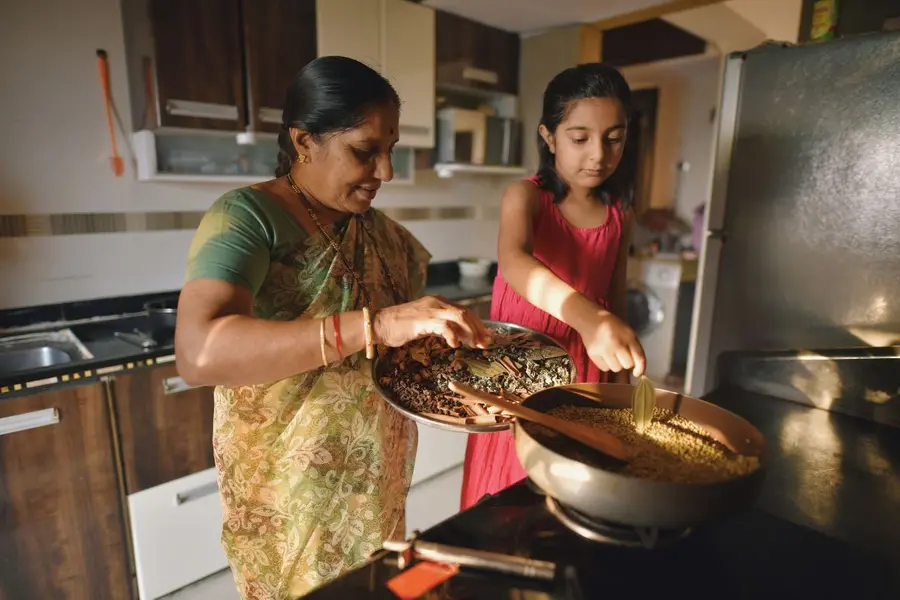
Across Indian kitchens, a quiet nutritional revolution is beginning to take shape. Unlike the glossy wellness trends that dominate social media feeds with expensive imported superfoods, complicated detox plans, and extreme calorie restriction, this transformation is happening through simple, deeply familiar ingredients that have existed in traditional cooking for generations.
A spoonful of ragi flour added to a dosa batter, flaxseed powder kneaded into roti dough, oats blended into savoury pancakes, a pinch of hing tempering lentils, curry leaves crackling in hot ghee, grated ginger folded into breakfast batters, or a small bowl of curd served alongside a fibre-rich meal may appear insignificant on the surface. Yet nutrition experts increasingly believe these tiny additions can completely change the way food behaves inside the body.
At a time when rising rates of obesity, insulin resistance, fatty liver disease, digestive disorders, type 2 diabetes, PCOS, hormonal imbalance, chronic fatigue, and inflammatory conditions are becoming major public health concerns, many people are beginning to question whether restrictive dieting truly offers a sustainable solution.
The reality is that most modern diets fail not because people lack discipline, but because the food itself often leaves the body unsatisfied. Meals dominated by refined flour, processed snacks, sugary cereals, white bread, instant foods, and ultra-processed convenience products digest rapidly, creating sudden spikes in blood sugar followed by crashes in energy and hunger. This repeated cycle encourages cravings, overeating, emotional snacking, and unstable appetite regulation.
For years, the response to this problem was simple calorie restriction. People were encouraged to eat less, skip meals, avoid entire food groups, or survive on salads and low-fat packaged products. While such approaches occasionally produced short-term weight loss, they often created exhaustion, irritability, increased cravings, poor digestion, hormonal stress, and eventual rebound weight gain. Increasingly, nutrition science is beginning to shift the conversation away from starvation and toward nourishment. The emerging focus is no longer just on how much people eat, but on how intelligently meals are built.
This is where nutrient-dense eating becomes important. Nutrient-dense meals contain higher amounts of fibre, protein, vitamins, minerals, antioxidants, healthy fats, and slow-digesting carbohydrates without necessarily becoming excessively calorie-heavy. Such meals digest more gradually, keep hunger stable for longer periods, improve satiety, and reduce the constant search for quick energy. In many cases, people naturally begin eating fewer calories overall because their meals finally satisfy them properly.
RAGI FLOUR
One of the most significant ingredients making a comeback in modern nutrition conversations is ragi, or finger millet. Long before commercial “health foods” entered urban markets, ragi was already valued in traditional Indian diets for its ability to provide strength and lasting fullness. Unlike refined flour, ragi contains fibre, resistant starch, iron, calcium, magnesium, phosphorus, and antioxidants that slow digestion and release energy more gradually into the bloodstream. For people dealing with insulin resistance or PCOS, this slower glucose release can be particularly helpful because it reduces the dramatic blood sugar fluctuations that often trigger fatigue and cravings.
When ragi is thoughtfully combined with protein-rich foods, vegetables, and healthy fats, its effect becomes even more balanced. A ragi-based pancake paired with curd, for example, behaves very differently inside the body compared to a refined flour breakfast. Instead of producing a rapid spike in energy followed by sudden hunger, it creates a steadier and more sustained feeling of fullness. This difference may seem subtle after one meal, but over weeks and months it can significantly influence appetite regulation, snacking patterns, and overall metabolic health.
OATS FLOUR
Oats flour has also become one of the easiest and most effective ways to improve meal quality without sacrificing comfort or familiarity. Rich in beta-glucan fibre, oats help slow digestion, support cholesterol management, and improve satiety. Adding oats flour to rotis, savoury pancakes, dosas, or cutlets transforms a meal from something that digests rapidly into one that sustains energy for longer periods. Importantly, these changes do not require people to abandon traditional cooking. Instead, they quietly improve what already exists.
FLAXSEED POWDER
Flaxseed powder is another example of a seemingly small ingredient with disproportionately large benefits. Rich in omega-3 fats, fibre, lignans, and antioxidants, flaxseeds support digestion, satiety, and hormonal balance. Many nutritionists now encourage adding flaxseed powder into batters, curd, smoothies, chutneys, and doughs because it increases nutrient density without dramatically changing flavour. The fibre content helps slow glucose absorption, while the healthy fats improve fullness and support more stable energy levels.
URAD DAL POWDER
Urad dal powder, long used in traditional Indian cooking, also plays an important role in improving the nutritional balance of meals. By increasing protein content and improving texture, urad dal helps transform heavily carbohydrate-based foods into more sustaining combinations. Traditional fermented foods such as idli and dosa illustrate this beautifully. Their balance of grains, lentils, fermentation, and digestive spices creates meals that are not only satisfying but also easier for many people to digest.
Yet nutrition is not only about fibre and protein. One of the reasons many healthy meals fail is because they feel too heavy or difficult to digest. This is where traditional Indian ingredients reveal an extraordinary level of culinary intelligence. For generations, Indian cooking has used digestive-supportive ingredients such as ginger, curry leaves, hing, and curd not merely for flavour, but to improve the body’s ability to process nutrient-dense foods more comfortably.
GINGER
Ginger, for instance, has long been recognised for its digestive and anti-inflammatory properties. Modern research suggests it may support gastric emptying, circulation, and digestive enzyme activity. In practical terms, adding ginger to fibre-rich batters, lentils, soups, or savoury breakfasts often reduces the heaviness associated with dense meals. Many people report reduced bloating and improved comfort after meals containing ginger.
CURRY LEAVES
Curry leaves, often pushed aside on plates and treated as garnish, are similarly undervalued. Rich in antioxidants and plant compounds, they have traditionally been used to support digestion and metabolic balance. Nutrition experts are increasingly interested in their potential role in glucose metabolism and digestive health. When added to tempering, chutneys, or savoury dishes, curry leaves quietly improve both flavour and functionality.
HING
Hing, or asafoetida, may be one of the most underrated ingredients in Indian kitchens. Though used only in tiny quantities, hing has traditionally been added to lentils, legumes, and besan-based dishes to reduce gas formation and digestive discomfort. As more people increase fibre intake through seeds, millets, lentils, and vegetables, digestive discomfort can sometimes become a barrier to consistency. Hing helps make nutrient-rich meals feel lighter and easier on the stomach without reducing their nutritional value.
CURD
Curd remains one of the simplest yet most effective additions to balanced eating patterns. Rich in probiotics, protein, and calcium, curd supports gut health while also helping meals feel cooling and satisfying. When paired with fibre-rich foods such as millets or lentils, curd often improves digestive tolerance and prolongs satiety. A simple bowl of curd with roasted cumin and black salt is not merely a side dish; it is a traditional digestive aid rooted in generations of food wisdom.
These principles become especially important for women dealing with PCOS and insulin resistance. PCOS is closely linked with unstable blood sugar regulation, increased inflammation, hormonal imbalance, fatigue, and intense cravings. Many women with PCOS find themselves trapped in cycles of restrictive dieting followed by overeating because their meals fail to provide stable satiety.
Nutrition experts increasingly emphasise that balanced, nutrient-dense meals are often far more effective than aggressive calorie restriction.
Meals containing fibre, protein, healthy fats, probiotics, and slow-digesting carbohydrates create steadier glucose responses and reduce dramatic insulin spikes. Over time, this may support better appetite regulation, reduced cravings, improved energy, and more sustainable weight management. Importantly, this approach changes the emotional relationship people have with food.
Meals stop feeling like punishment and begin functioning as nourishment.
The idea that people can “eat more and weigh less” may sound contradictory, but nutrient density changes the conversation entirely. A highly processed breakfast may contain relatively few calories while still leaving the body hungry within an hour. In contrast, a more nourishing meal containing lentils, vegetables, fibre, healthy fats, and protein may contain slightly more calories yet keep someone satisfied for several hours. This often reduces overall food intake naturally because cravings and constant snacking begin to decrease.
Consider a simple savoury pancake made using moong dal powder, besan, oats flour, ragi flour, vegetables, ginger, curry leaves, hing, and curd. Nutritionally, such a meal provides a combination of fibre, protein, probiotics, minerals, antioxidants, and digestive support compounds. Physiologically, it behaves very differently inside the body compared to processed breakfast foods. Digestion slows, satiety improves, blood sugar rises more gradually, and energy remains more stable.
What makes this approach particularly powerful is that it preserves emotional satisfaction. People do not want meals that feel joyless or disconnected from culture and comfort. They want food that tastes good, feels familiar, and fits naturally into daily life. Ingredient-based nutritional upgrades allow exactly that. A roti becomes more nourishing. A dosa becomes more filling. A pancake becomes more metabolically supportive. Food remains enjoyable while quietly becoming healthier.
Interestingly, many of these ideas are not new at all. Traditional Indian cooking has always relied on combinations that naturally improve digestion and nourishment. Fermented batters, grain-and-lentil pairings, digestive spices, probiotic accompaniments, and seasonal eating patterns have existed for generations. Modern nutrition science is increasingly rediscovering the wisdom embedded within these food traditions.
As conversations around metabolic health and hormonal wellness continue evolving, the future of healthy eating may become less about restriction and more about intelligent meal building. Instead of extreme dieting, the focus is slowly shifting toward improving fibre intake, balancing blood sugar, supporting digestion, increasing satiety, and reducing dependence on ultra-processed foods.
And often, the transformation begins quietly. A spoonful of ragi flour. A pinch of hing. A handful of curry leaves. A little flaxseed powder. A bowl of curd.
Tiny additions. Big transformation.
Tilottama Bose is a Delhi-based Clinical Nutritionist, Health Educator, and founder of Health with Tilottama.
Published: 01 Jun 2026, 01:43 pm IST
Related Topics
Disclaimer: Kindly avoid objectionable, derogatory, unlawful and lewd comments, while responding to reports. Such comments are punishable under cyber laws. Please keep away from personal attacks. The opinions expressed here are the personal opinions of readers and not that of Mathrubhumi.
