
A beloved South Indian culinary tradition—a fragrant, tangy dish
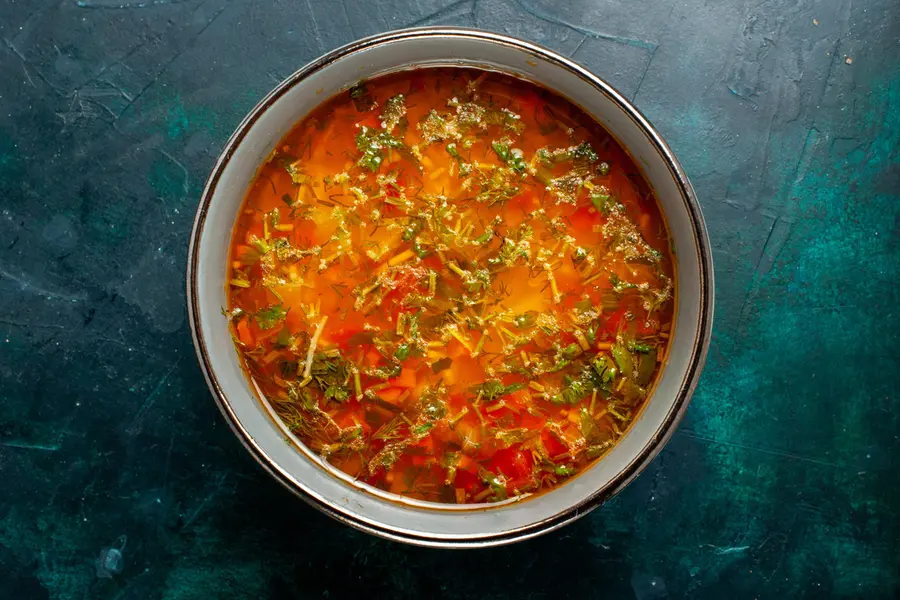
Word of the Day: RASAM
Pronunciation: UK /ˈrʌʃəm/ or US/ˈrəʃəm/
Meaning:
Also Read

‘Rasam’ is a traditional South Indian dish made from tamarind juice, tomatoes, spices, herbs, and often lentils. It is usually served as a soup or mixed with rice.
Origin and history:
The word "Rasam" comes from the Sanskrit word "Rasa," meaning "juice," "essence," "sap," or "flavor."
In ancient Ayurvedic and Tamil texts, simple versions of this spiced broth (often called milagu thanni or pepper water) were used as early as the Sangam period as a digestive aid and healing tonic.
Food historians suggest the modern iteration of rasam took distinct shape in the 16th century in Madurai, Tamil Nadu, under Saurashtra immigrant rulers. Adapting to local ingredients, they mixed black pepper with tamarind to create a broth originally called pulichaar.
Over 200 variations of the dish exist across South India. It is known as rasam in Tamil and Malayalam, thili sāru in Kannada, and chāru or pulusu in Telugu.
Also read June 07 word of the day
Cultural significance and modern usage:
Because it embodies the core flavor of life, rasam is the ultimate comfort food. It is a daily staple in households across Tamil Nadu, Kerala (where it is also known as pulissery or rasam), Karnataka (saaru), and Andhra Pradesh (chaaru). Holistic Wellness: Rooted in Ayurveda, rasam is a natural immunity booster and "recovery food." Grandmothers across India serve it to cure colds, clear sinuses, and soothe digestion. Its base of tamarind, black pepper, cumin, and garlic functions as a preventive and restorative elixir.
Offering rasam (whether with rice or as a standalone soup) to guests is considered a fundamental gesture of warmth and welcome.
Interesting facts:
- Rasam is often called the "South Indian soup," though it is traditionally eaten with rice.
- Before chilies became common, black pepper was the primary source of heat in rasam.
- There are dozens of regional varieties in rasam, each with unique ingredients and flavors.
- Rasam is commonly consumed during monsoons because of its warming and comforting qualities.
- Pineapple rasam combines sweet, sour, spicy, and savory flavors in a single dish.
- In many South Indian meals, rasam is served after sambar and before curd rice.
Examples from literature:
- “I’m getting there. I’d also have mixed vegetable sagu and vegetable korma and potato masala and cabbage vadai and masala dosai and spicy lentil rasam and—” “I see.”- Life of Pi by Yann Martel
- "Guess what we have today? Stale rice and water that's pretending to be spicy rasam," Grandma Knife says.-Born Behind Bars by Padma Venkatraman
- I tried to feed you a spoonful of rice and rasam.
- The Bridge Home by Padma VenkatramanAmma heaped rice onto our plates and ladled some hot, spicy rasam over the top.- The Bridge Home by Padma Venkatraman
Synonyms:
- Pepper soup
- Tomato rasam
- South indian soup
Read more word of the Day here
Published: 08 Jun 2026, 08:00 am IST
Related Topics
Disclaimer: Kindly avoid objectionable, derogatory, unlawful and lewd comments, while responding to reports. Such comments are punishable under cyber laws. Please keep away from personal attacks. The opinions expressed here are the personal opinions of readers and not that of Mathrubhumi.