
Award-winning podcaster, writer and feminist voice Sangeeta Pillai used the MBIFL 2026 platform to reclaim the idea of the “bad daughter”
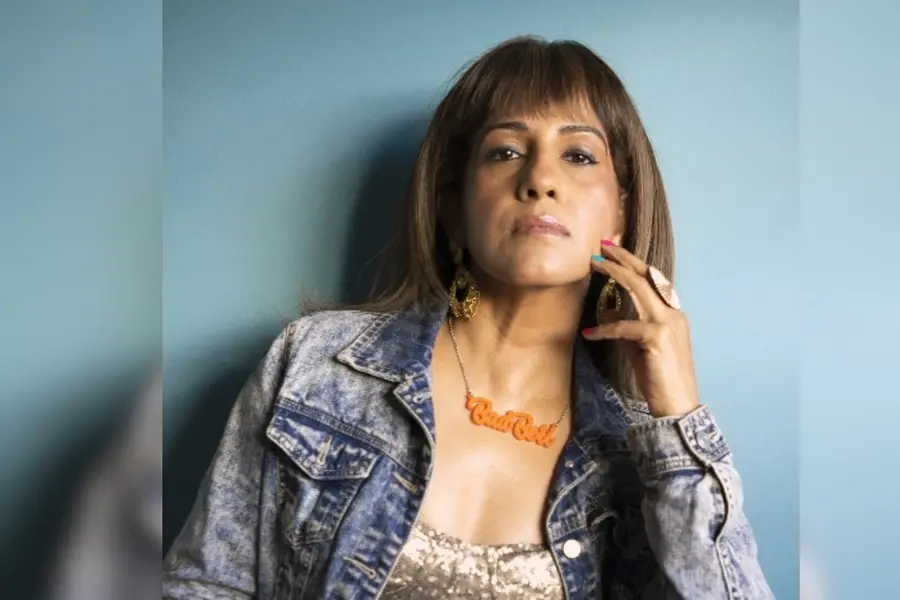
What does it really mean to be called a “bad daughter” — and can wearing that label become an act of liberation rather than a source of shame? Speaking at the seventh edition of the Mathrubhumi International Festival of Letters 2026, Pillai challenged the rigid binary imposed on South Asian women, where obedience defines a “good daughter” and resistance invites stigma.
Best known for reclaiming the term “bad daughter”, she said the label often reflects a woman’s refusal to remain silent or compliant within patriarchal family structures. Her work encourages women to question obedience, guilt and inherited expectations rather than internalise them.
Also Read

Identity shaped across cities and continents
Pillai spoke candidly about her complex sense of belonging, shaped by growing up across Kerala, Mumbai and later London. Initially reluctant to identify as Keralite, she now describes herself as a blend of all the places that shaped her.
She noted that her award-winning Masala Podcast, which openly addresses South Asian taboos around sex, trauma and identity, may not have been possible had she stayed in India.
As a podcaster, she said, “Podcasting has an emotional resonance no other medium has.”
Pillai highlighted how audio storytelling allows vulnerability without performance. She said podcasting offers an emotional depth unmatched by other media, adding that she feels proud to work in the format.
Masala Podcast has won six British Podcast Awards, an Audio Production Award and the Spotify Sound Up Award, establishing Pillai as a leading global voice in South Asian feminist media.
Trauma, breakdown and the journey to healing
The session took an emotional turn as Pillai shared her childhood experiences, including growing up with an alcoholic father and losing her mother to violence. She spoke about experiencing a mental breakdown later in life and turning to therapy for survival and healing.
These experiences, she said, now inform her writing, workshops and performances, allowing her to create spaces where South Asian women can speak openly about pain without judgement.
Her book, workshops and the live talk show ‘Masala Monologues’ focus on healing through storytelling and shared experiences. She is also the founder of Soul Sutras, a feminist network connecting South Asian women across the world.
Through these platforms, Pillai encourages dialogue around taboo subjects, trauma and emotional honesty, framing storytelling as a tool for collective recovery.
Feminism, men and misunderstood resistance
Addressing common misconceptions, Pillai clarified that feminism is not rooted in hatred of men. She said her personal feminist journey improved relationships with men in her family, including her brothers, by opening spaces for honest communication.
She also warned against internal divisions created by patriarchy, stating, “Patriarchy is the sneakiest weapon, which turns women against each other.”
Through her work in podcasting, writing and live performance, Pillai continues to engage South Asian women globally, reframing the idea of the “bad daughter” as an act of courage, resistance and self-recovery rather than defiance for its own sake.
Her message at MBIFL 2026 was clear: healing begins when women stop apologising for choosing themselves.
Published: 30 Jan 2026, 08:44 pm IST
Related Topics
Disclaimer: Kindly avoid objectionable, derogatory, unlawful and lewd comments, while responding to reports. Such comments are punishable under cyber laws. Please keep away from personal attacks. The opinions expressed here are the personal opinions of readers and not that of Mathrubhumi.