

Malkhan Singh — once widely known as the “Bandit King” of Chambal — also pushed back against the label most often used for him and his peers
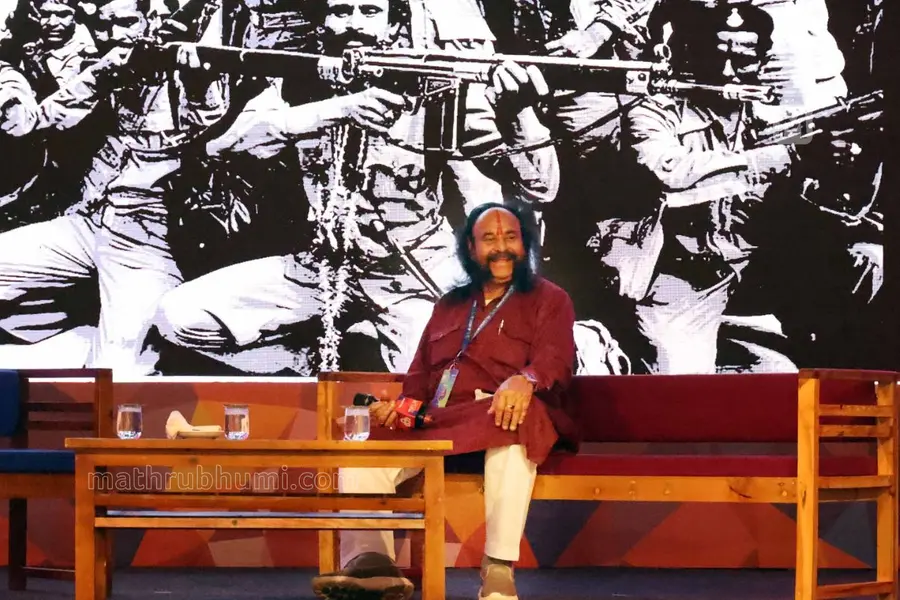
Chambal usually arrives in our imagination with dust, guns and danger — the cinematic shadows of Sholay, outlaw legends and dramatic ambushes. But at a Mathrubhumi International Festival of Letters (MBIFL) 2026 session featuring archaeologist K.K. Muhammed and former Chambal bandit Malkhan Singh, a very different Chambal came alive — one of ruined temples, remote forests and unexpected partnerships.
“Chambal is not what is shown in the movies,” Malkhan Singh said. “There weren’t even basic roads in many places.” The real terrain, he stressed, was harsher and more cut off than its big-screen version.
Muhammed entered the Chambal belt looking for heritage — and found more than a hundred ancient temples reduced to scattered stone by time and earthquakes. Restoring them inside a 5,000-sq-km forested ravine zone was no routine conservation project.
Showing before-and-after photographs of restored temple clusters such as Bateshwar, Muhammed said the work moved forward because of clear assurances and dependable on-ground support.
Malkhan Singh — once widely known as the “Bandit King” of Chambal — also pushed back against the label most often used for him and his peers. “Don’t call us dacoits,” was the essence of his appeal. He argued that many of them prefer to identify as “revisionists” — rebels shaped by injustice and circumstance, not criminals without a moral code.
The session did not deny Chambal’s violent past. But it added another layer to it — that in a landscape known for fear, former outlaws also became unlikely partners in conservation, helping an archaeologist bring fallen temples back into history.
Published: 30 Jan 2026, 07:25 pm IST
ABOUT THE AUTHOR
Related Topics
Disclaimer: Kindly avoid objectionable, derogatory, unlawful and lewd comments, while responding to reports. Such comments are punishable under cyber laws. Please keep away from personal attacks. The opinions expressed here are the personal opinions of readers and not that of Mathrubhumi.